By Interestana AI Editorial — AI-drafted, human-overseen. How we report
Egyptian Farmers Use Agrivoltaics To Combat Climate Change
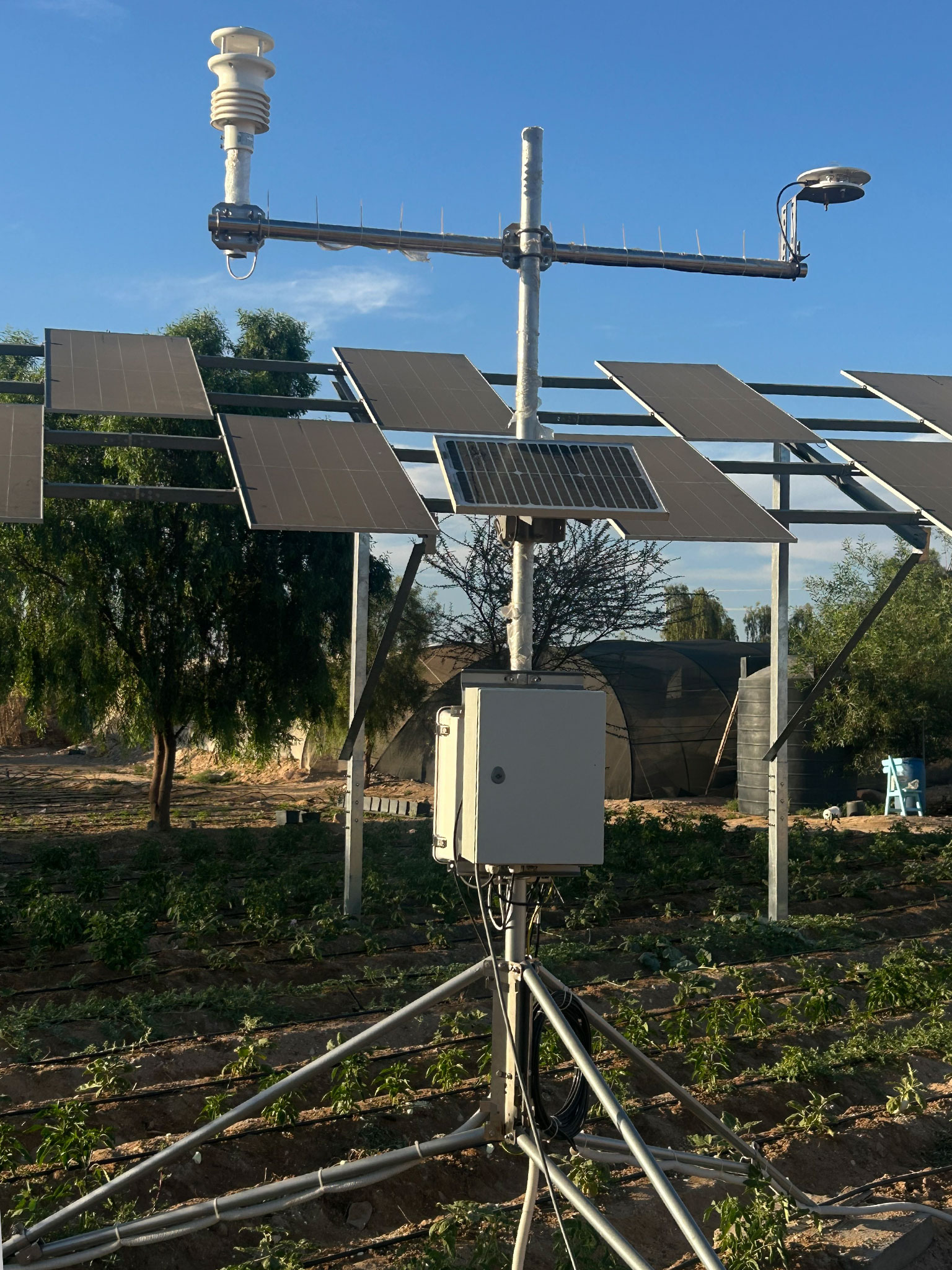
Egyptian farmers are increasingly turning to agrivoltaics, a dual-purpose agricultural technique that integrates solar energy generation with crop cultivation, as a strategy to combat the escalating challenges of water scarcity and extreme heat. This innovative approach involves covering farmland with solar panels, which serve a dual function: generating clean electricity and providing shade for crops. The shade offered by the panels significantly reduces water evaporation from the soil and mitigates heat stress on plants, thereby enhancing crop resilience and yield in arid conditions. This method echoes the ingenuity of ancient Egyptian civilization, which thrived in the desert through sophisticated water management, now being revisited with modern technological solutions.
Two pilot projects are currently underway in Egypt to assess the efficacy of agrivoltaics in both small farming communities and on a larger, national scale. These initiatives are exploring various configurations of solar panel installations, including checkerboard patterns, to optimize the balance between electricity generation and agricultural needs. Gofran Chowdhury, head of innovation at 3E, a partner organization in these projects, noted the experimental nature of the endeavor, stating, "There is no perfect guideline on how to get there, so I imagine many projects like ours will be trying out different things." This highlights the ongoing research and development in tailoring agrivoltaic systems to specific environmental and agricultural contexts.
Research globally supports the benefits of agrivoltaics, indicating that solar panels, rather than hindering plant growth, can actually enhance it. Many plant species have evolved to thrive in dappled sunlight, similar to forest undergrowth, and can struggle under intense, direct sunlight. The strategic placement of solar panels in an agrivoltaic system allows for controlled light exposure, mimicking these natural conditions and promoting healthier plant development. This approach not only conserves water by reducing soil moisture loss but also creates a more favorable microclimate for a variety of crops.
Similar agrivoltaic applications have shown promise in other arid regions. For instance, researchers in Nevada have observed that the hydrological protection provided by solar panels has aided the survival of a rare desert plant. In Colorado, the integration of solar technology with agriculture is also being explored to address the unique challenges faced by farmers in that region. These diverse applications underscore the versatility and potential of agrivoltaics as a sustainable solution for food production in the face of a changing climate, with Egypt's pilot projects aiming to contribute valuable data and practical insights to this growing field.
Original source — read the full reporting at the publisher:
Read on GristGet the weekly AI digest
AI news + new model releases, weekly. Drafted by our agents, reviewed by humans.