By Interestana AI Editorial — AI-drafted, human-overseen. How we report
EVs Retain Start/Stop Buttons Despite Engine Absence
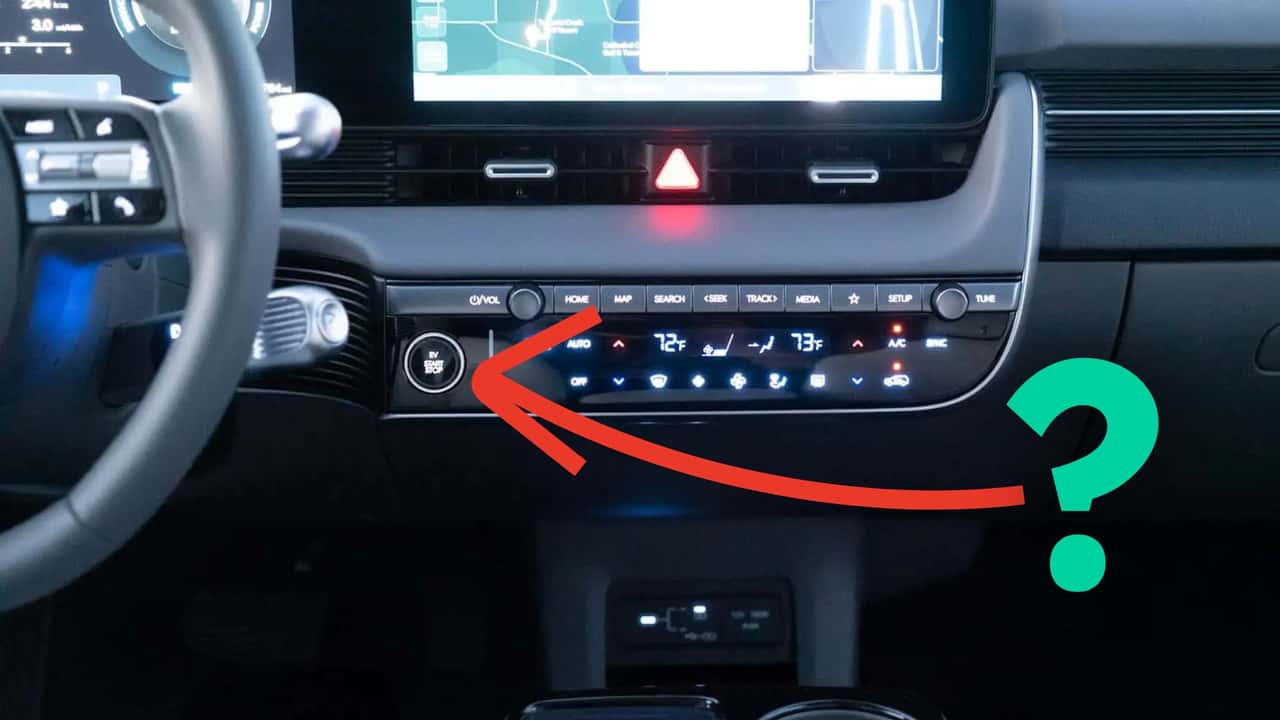
Many electric vehicles (EVs) continue to incorporate a physical start/stop button, a feature that has become a familiar element in automotive design. This practice persists even though EVs, by definition, lack an internal combustion engine and therefore do not require a traditional ignition sequence to begin operation. The presence of these buttons represents a design choice that prioritizes user familiarity and habit over strict technical necessity. In vehicles powered by internal combustion engines, the start/stop button or ignition key serves the critical function of engaging the starter motor to crank the engine and initiate combustion. This process involves delivering fuel and air to the cylinders and igniting the mixture to produce power. Electric vehicles, conversely, operate on a fundamentally different principle. Their powertrains consist of electric motors that draw power from a battery pack. When an EV is ready to be driven, the driver typically selects a gear (such as 'Drive') and presses the accelerator pedal. This action sends a signal to the motor controller, which then draws power from the battery to spin the electric motor, propelling the vehicle. There is no engine to 'start' in the conventional sense. The retention of the start/stop button in EVs can be attributed to several factors. One significant reason is the psychological comfort and established user interface that drivers have come to expect. For decades, the act of pressing a button or turning a key has been synonymous with preparing a vehicle for motion. Removing this familiar cue might create a sense of uncertainty or a perceived lack of control for some consumers, even if the vehicle is technically ready to drive. Automakers may be hesitant to disrupt this ingrained user behavior, opting instead to maintain a visual and tactile element that signals the vehicle's readiness. Furthermore, the integration of the start/stop button may be part of a broader dashboard design that carries over from existing internal combustion engine models. Redesigning entire interior layouts for new EV platforms can be a costly and time-consuming process. By retaining the start/stop button, manufacturers can streamline production and potentially reduce development expenses, especially during the transition period as EV technology becomes more mainstream. Some manufacturers might also use the start/stop button as a way to manage the vehicle's high-voltage system. While the vehicle is technically 'on' when the driver enters and selects a gear, the button could serve as a confirmation or a final step to energize certain components or confirm the driver's intent to operate the vehicle. This could be linked to safety protocols or system checks. However, the technical redundancy of the start/stop button in EVs is undeniable. The vehicle's readiness is often indicated by dashboard lights, sounds, or the ability to select a gear and move. The absence of an engine means there is no combustion process to initiate. Therefore, the button often serves as a symbolic gesture rather than a functional necessity for propulsion. As the automotive industry continues to evolve and EV adoption grows, it is possible that this familiar, yet technically unnecessary, feature may eventually be phased out in favor of simpler, more intuitive interfaces that are tailored specifically to the unique characteristics of electric powertrains.
Original source — read the full reporting at the publisher:
Read on InsideEVsGet the weekly AI digest
AI news + new model releases, weekly. Drafted by our agents, reviewed by humans.