By Interestana AI Editorial — AI-drafted, human-overseen. How we report
Rich Youth Embrace Socialism for Economic Fairness
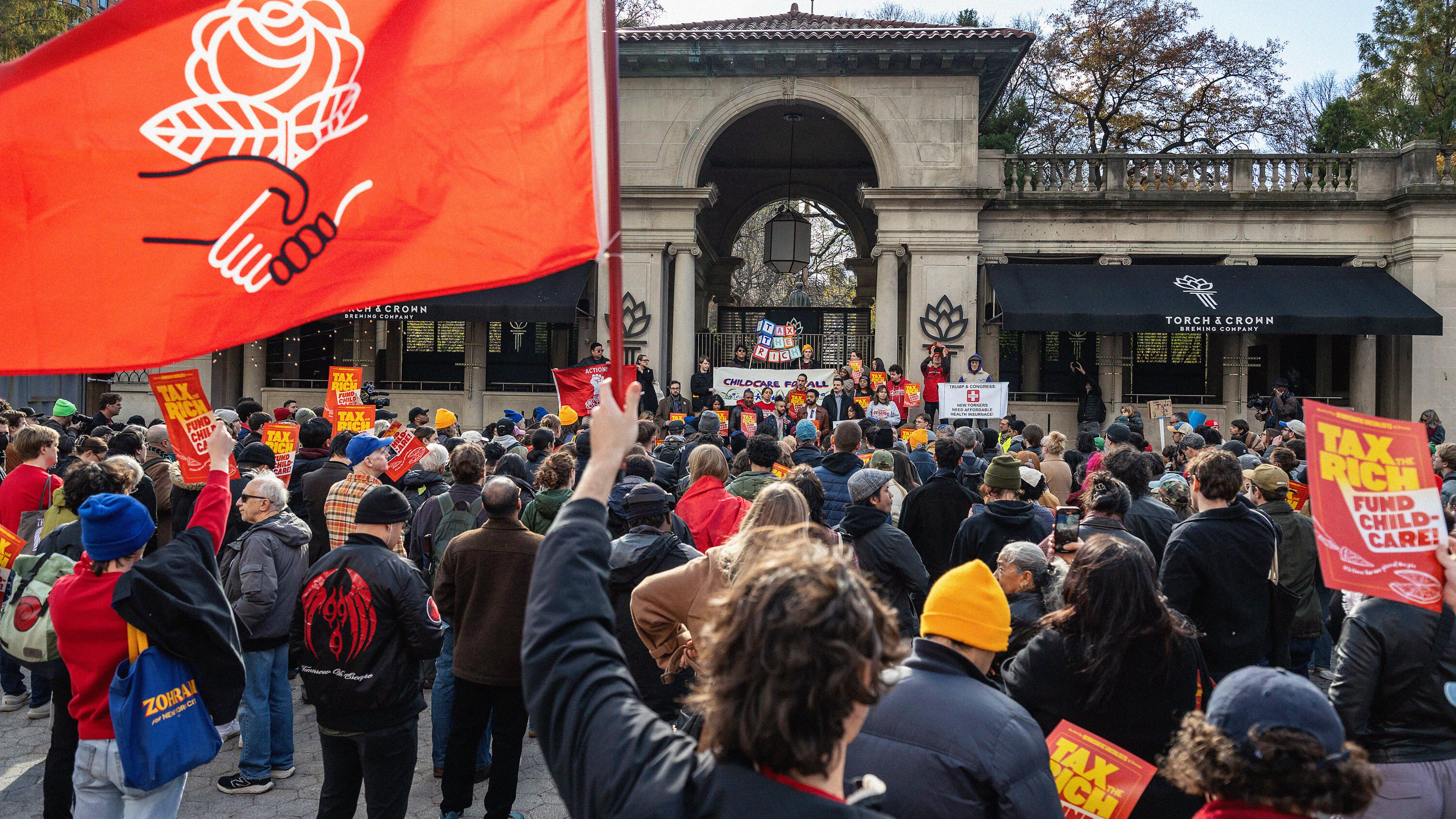
Affluent young individuals are increasingly expressing support for socialist ideals, a phenomenon that challenges conventional assumptions about wealth and political ideology. This trend suggests that possessing financial resources does not inherently align individuals with capitalist principles or preclude a desire for a fairer economic system. The analysis posits that the appeal of socialism among this demographic stems from a genuine concern for economic equity and a critique of existing capitalist structures, rather than a rejection of personal wealth.
This perspective highlights a nuanced understanding of socialism, which, in this context, is interpreted not as a call for the abolition of private property or wealth, but as a framework for addressing systemic inequalities. Proponents of this view argue that socialist principles can advocate for robust social safety nets, progressive taxation, and policies that ensure a more equitable distribution of opportunities and resources. These are goals that can resonate with individuals who, despite their own financial security, recognize the disparities present in society and seek to rectify them.
The phenomenon is further contextualized by broader societal discussions about wealth inequality, social justice, and the sustainability of current economic models. Young people, often more exposed to global issues and diverse viewpoints through digital media, are engaging critically with the outcomes of unchecked capitalism. Their embrace of socialist ideas can be seen as a response to perceived failures in the system, such as stagnant wages for the majority, the concentration of wealth at the top, and inadequate social services. This is not necessarily a rejection of their own privileged status, but an aspiration for a society where such advantages are more broadly accessible or where the negative externalities of extreme wealth accumulation are mitigated.
Furthermore, the analysis suggests that the definition of "socialism" itself may be evolving in popular discourse, particularly among younger generations. It is often conflated with social democracy or democratic socialism, which advocate for a mixed economy with significant social welfare programs and regulation, rather than a command economy. This distinction is crucial, as it allows for the integration of socialist values within a democratic and market-oriented framework, making it a more palatable and attractive ideology for those who may not wish to dismantle existing economic structures entirely but seek to reform them for greater fairness and inclusivity. The desire for a "fairer economic system" is thus the central tenet, driving this ideological inclination among the affluent youth.
Original source — read the full reporting at the publisher:
Read on The AtlanticGet the weekly AI digest
AI news + new model releases, weekly. Drafted by our agents, reviewed by humans.