By Interestana AI Editorial — AI-drafted, human-overseen. How we report
Usher Responds to Body Double Conspiracy Theories
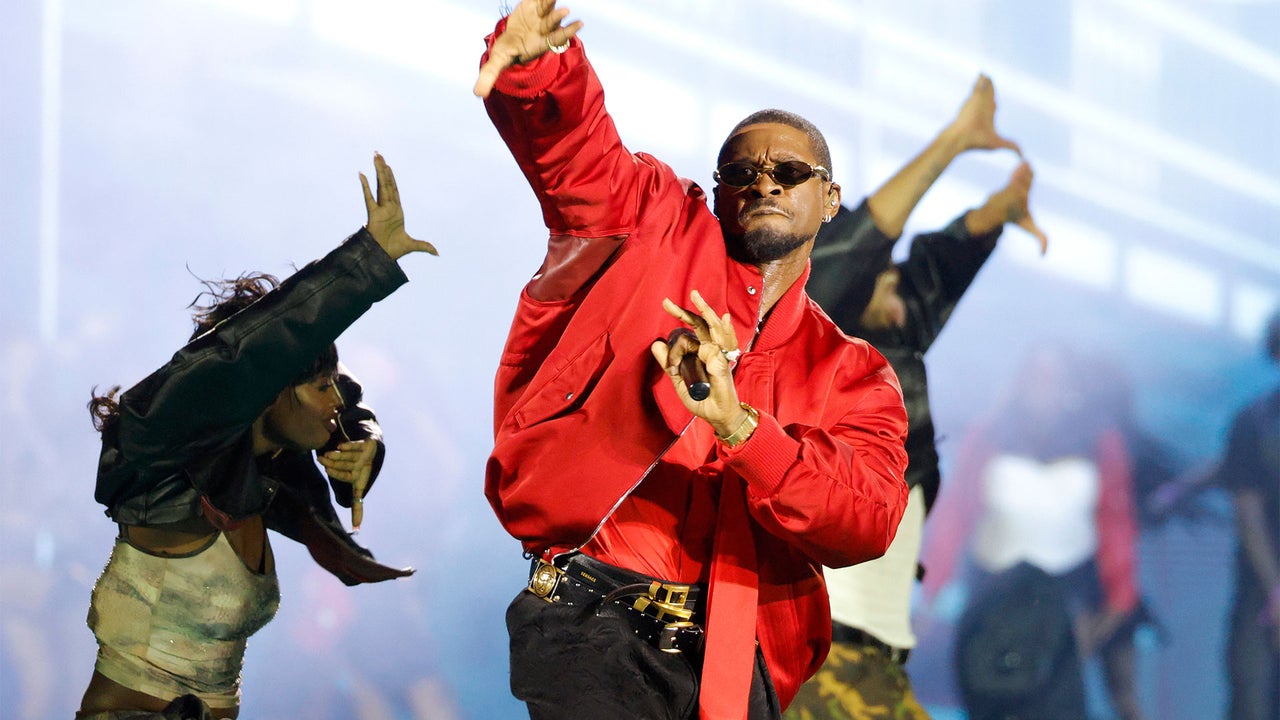
Usher has publicly responded to widespread internet speculation that he employed a body double during a recent co-headlining concert with Chris Brown. The conspiracy theories gained significant traction on August 8, following a TikTok video posted by concertgoer Sunnya Sultan. Sultan's video, which has since garnered approximately 700,000 views and nearly 2,000 comments across social media platforms, suggested that the performer on stage at the MetLife Stadium in New Jersey was not the real Usher. The video captured a moment during Usher's performance of "Caught Up" and "Bad Girl," where the singer appeared to have his face partially obscured by a baseball cap and sunglasses. Sultan told TODAY.com that the individual on stage "sang like half a song, maybe for like 40 seconds," before exiting and reappearing, with movements that some fans found inconsistent with Usher's typical stage presence. "The way he was moving wasn’t really Usher," Sultan stated, describing the confusion that arose among audience members. Other TikTok users quickly joined the discussion, with some expressing similar doubts about the performer's identity and demanding refunds. One user commented, "Usher you can’t fool New York, that’s not you bro, I want my money back." The viral nature of these claims prompted Usher to address them directly. On the tour's Instagram account, he posted a video with the caption "Usure? Wesure" and overlaid text that read, "They can’t clone this?" He further commented, "How ya’ll come up with this? AI ain’t that advanced." This statement directly refutes the notion of a body double, humorously referencing advanced artificial intelligence as a more plausible, albeit still far-fetched, explanation for such a deception. The R&B Tour, co-headlined by Usher and Chris Brown, has been a significant event for fans of both artists, and the intense scrutiny over Usher's performance highlights the pervasive nature of online speculation and the rapid spread of unverified claims in the digital age. The incident underscores how visual media, particularly short-form video content on platforms like TikTok, can quickly fuel and amplify public discourse, even leading to elaborate conspiracy theories surrounding well-known public figures.
Original source — read the full reporting at the publisher:
Read on Fast CompanyGet the weekly AI digest
AI news + new model releases, weekly. Drafted by our agents, reviewed by humans.