By Interestana AI Editorial — AI-drafted, human-overseen. How we report
Democrats Consider Impeaching Cabinet Members
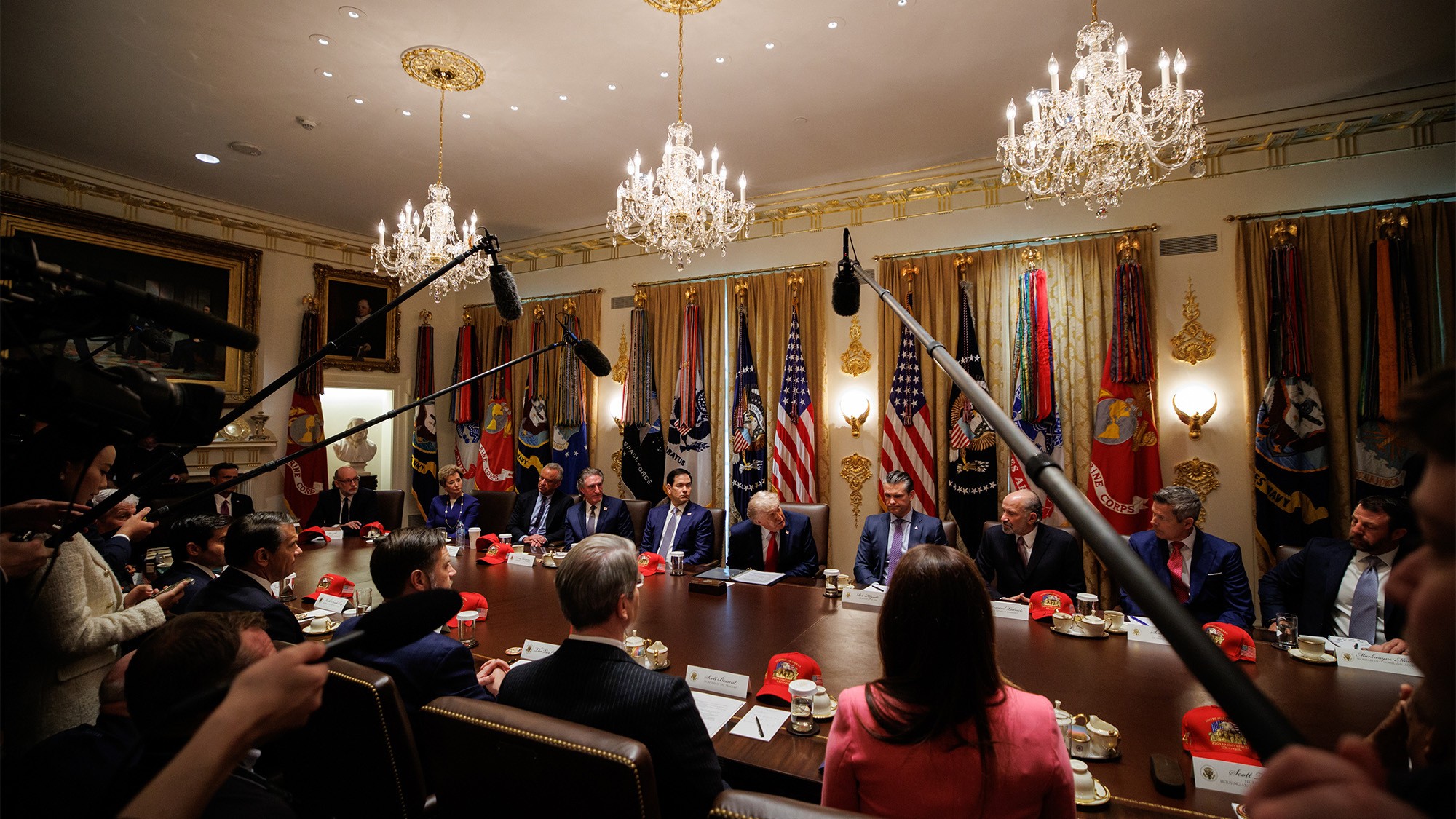
The U.S. Constitution provides Congress with the power to impeach cabinet members and other executive branch officers, a constitutional mechanism that Democrats are reportedly considering as a means of accountability. This power, though less frequently utilized than presidential impeachment, allows for the removal of high-ranking officials for "high Crimes and Misdemeanors." The historical precedent for impeaching executive officers, beyond the President, is limited but present, underscoring its constitutional validity. The current discussions among Democrats reflect a growing willingness to explore all available constitutional tools to address perceived overreach or malfeasance within the executive branch. This approach signifies a potential escalation in political strategy, moving beyond traditional oversight methods like hearings and investigations. The implications of impeaching a cabinet secretary could be significant, potentially leading to a period of instability within the targeted department and setting a new precedent for congressional-executive relations. The specific criteria for impeachment, as outlined in Article II, Section 4 of the Constitution, require "Treason, Bribery, or other high Crimes and Misdemeanors." Interpreting what constitutes "high Crimes and Misdemeanors" in the context of cabinet-level actions has historically been a subject of considerable debate and political maneuvering. The process would involve the House of Representatives bringing the articles of impeachment, followed by a trial in the Senate, where a two-thirds vote would be necessary for conviction and removal from office. The political calculus for Democrats would involve weighing the potential benefits of asserting congressional authority against the risks of partisan backlash and the practical challenges of securing the necessary votes for conviction. Furthermore, the specific individuals and departments being considered for impeachment would likely depend on ongoing investigations and public scrutiny of their actions and policies. The effectiveness of impeachment as an accountability measure is debated, with some arguing it is a powerful deterrent and others suggesting it can be overly politicized and disruptive. However, the mere threat of impeachment can compel greater transparency and responsiveness from executive officials. The constitutional framers intended impeachment to serve as a crucial check on power, ensuring that no branch of government operates with unchecked authority. The current political climate, characterized by deep partisan divisions, could amplify the impact of any impeachment proceedings, making them a focal point of national attention and debate. The potential for impeachment proceedings against cabinet members highlights the ongoing tension between the legislative and executive branches and the enduring relevance of constitutional mechanisms designed to maintain a balance of power. This consideration by Democrats suggests a strategic re-evaluation of how to best exert congressional oversight in an era of heightened executive authority and partisan conflict. The historical rarity of such actions underscores their gravity and the significant political and constitutional questions they raise.
Original source — read the full reporting at the publisher:
Read on The AtlanticGet the weekly AI digest
AI news + new model releases, weekly. Drafted by our agents, reviewed by humans.