By Interestana AI Editorial — AI-drafted, human-overseen. How we report
Southeast Asia's 'China Plus One' Strategy Yields Mixed Results
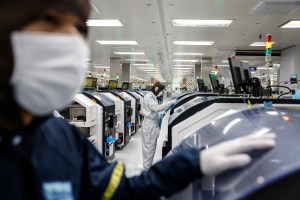
Southeast Asia's "China plus one" strategy, designed to attract global manufacturers shifting away from China due to rising costs and geopolitical tensions, has resulted in billions of dollars of investment in new factories across the region. However, the economic benefits have been less substantial than anticipated, with the strategy proving to be "conditional and uneven," according to Meng-Chun Liu, director of the Chung-Hua Institution for Economic Research (CIER). While the strategy has successfully brought factories, exports, and jobs to Southeast Asia, it has largely failed to transfer the crucial elements of design, core component manufacturing, and process know-how that capture the most economic value. Vietnam, a leading economy in the region, primarily focuses on the final assembly of goods for export to developed markets, rather than producing intermediate components. This limitation has led some companies, such as Target, to move supply chains back to China due to frustrations with the underdeveloped factory ecosystem in Southeast Asia. A further challenge arises as Chinese firms increasingly view Southeast Asia as a consumer market rather than a manufacturing base. This shift could lead to a surge of cheap Chinese exports that undermine the region's nascent manufacturing gains. The traditional "flying geese" model of manufacturing, which posited a natural flow of production from advanced economies to less-advanced ones, is no longer holding true. Liu explains that China is now aiming to retain its entire supply chain domestically and to sell its products into Asian markets, rather than transferring lower-end manufacturing to its neighbors. This breakdown in the established pattern means that Southeast Asian nations are not automatically inheriting the manufacturing stages that China is moving beyond. The region's aspiration to move up the value chain is thus hampered by its current position in the global production network. The "China plus one" initiative was intended to foster stronger economic growth, higher wages, and increased employment opportunities within Southeast Asian economies. While some of these objectives have been met, the depth of integration into global value chains remains a significant concern. The reliance on final assembly means that a substantial portion of the profit margin is retained by companies in the originating countries or by those controlling the intellectual property and component manufacturing. The influx of investment, while positive, has not translated into the comprehensive industrial development that many Southeast Asian governments had hoped for. The competitive landscape is also evolving, with China itself becoming a significant player in the Southeast Asian consumer market, creating a dual challenge of both limited value capture and potential market displacement by Chinese goods. This complex interplay of global economic shifts, regional industrial capabilities, and evolving market dynamics presents a significant hurdle for Southeast Asia's long-term economic development goals.
Original source — read the full reporting at the publisher:
Read on FortuneGet the weekly AI digest
AI news + new model releases, weekly. Drafted by our agents, reviewed by humans.