By Interestana AI Editorial — AI-drafted, human-overseen. How we report
Senate Kills Clarity Act, Benefiting Banks and Offshore Hubs
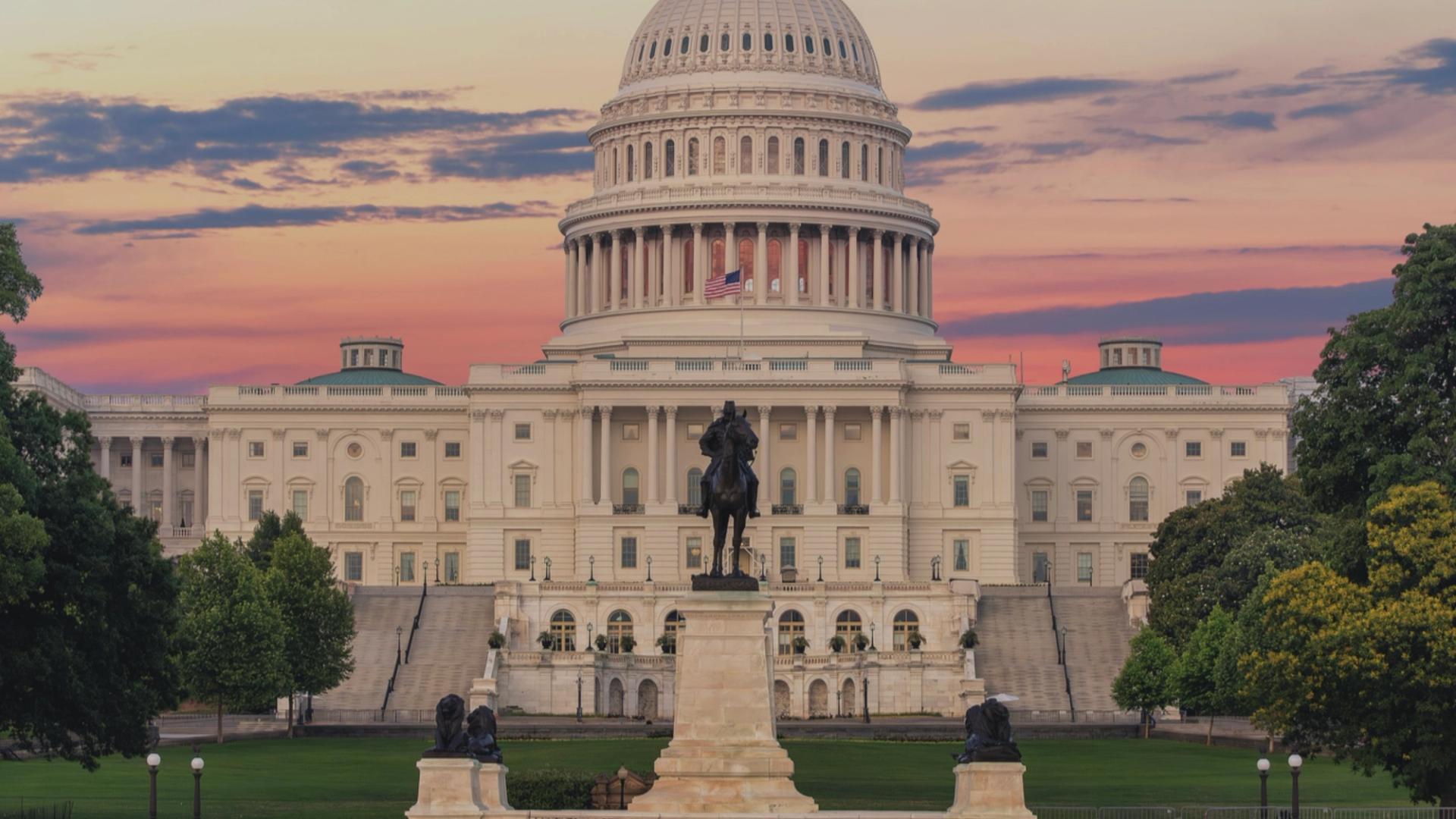
The recent failure of the Clarity Act to pass the Senate has been interpreted as a significant win for traditional banking institutions that have actively opposed the introduction of stablecoin yields. According to one unnamed expert, this outcome directly benefits banks by preserving their existing business models and preventing potential competition from decentralized finance (DeFi) products that could offer higher returns through stablecoins. Banks have historically lobbied against regulatory frameworks that could disrupt their interest-earning services, and the demise of the Clarity Act allows them to maintain their current revenue streams without the immediate threat of stablecoin-based yield products gaining widespread adoption and regulatory approval.
Beyond the immediate impact on financial institutions, a global crypto lawyer, who also remained unnamed in the report, suggested that offshore jurisdictions will emerge as primary beneficiaries of the Clarity Act's defeat. Jurisdictions like Dubai, known for their proactive approach to regulating digital assets and fostering innovation in the fintech sector, are poised to attract businesses and capital that might have been deterred by the uncertainty or potential restrictions of a U.S.-centric regulatory environment. The failure to establish clear federal guidelines in the U.S. creates a vacuum that these offshore hubs can fill, offering more predictable and potentially more favorable regulatory landscapes for cryptocurrency and stablecoin development. This could lead to a migration of talent, investment, and innovation away from the United States towards these more accommodating international centers.
The Clarity Act was intended to provide a comprehensive regulatory framework for stablecoins in the United States, aiming to balance innovation with consumer protection and financial stability. Its failure to advance through the Senate signifies a continued legislative impasse on digital asset regulation in the U.S. This lack of clear federal oversight leaves the burgeoning stablecoin market in a state of ambiguity, which can stifle domestic growth and encourage U.S.-based companies to seek regulatory clarity elsewhere. The debate surrounding stablecoin regulation has been ongoing, with various stakeholders, including banks, crypto exchanges, and consumer advocacy groups, presenting differing views on how best to manage the risks and opportunities associated with these digital currencies. The Senate's inaction on the Clarity Act suggests that these differing viewpoints have not yet been reconciled to a degree sufficient for legislative consensus.
The implications of this legislative setback extend to the broader cryptocurrency ecosystem. Without a clear path forward for stablecoin regulation in the U.S., the development and deployment of new stablecoin products may slow down, or be redirected to jurisdictions with more established regulatory frameworks. This could impact the accessibility and utility of stablecoins for both retail and institutional users within the United States. Furthermore, the continued absence of federal legislation may lead to a patchwork of state-level regulations, creating further complexity and compliance challenges for businesses operating in the digital asset space. The banking sector's opposition, coupled with the strategic advantage gained by offshore financial centers, highlights the complex interplay of economic interests, regulatory approaches, and geopolitical considerations shaping the future of digital finance.
Original source — read the full reporting at the publisher:
Read on CoinDeskGet the weekly AI digest
AI news + new model releases, weekly. Drafted by our agents, reviewed by humans.