By Interestana AI Editorial — AI-drafted, human-overseen. How we report
American Cities Struggle With High Costs, Low Efficacy
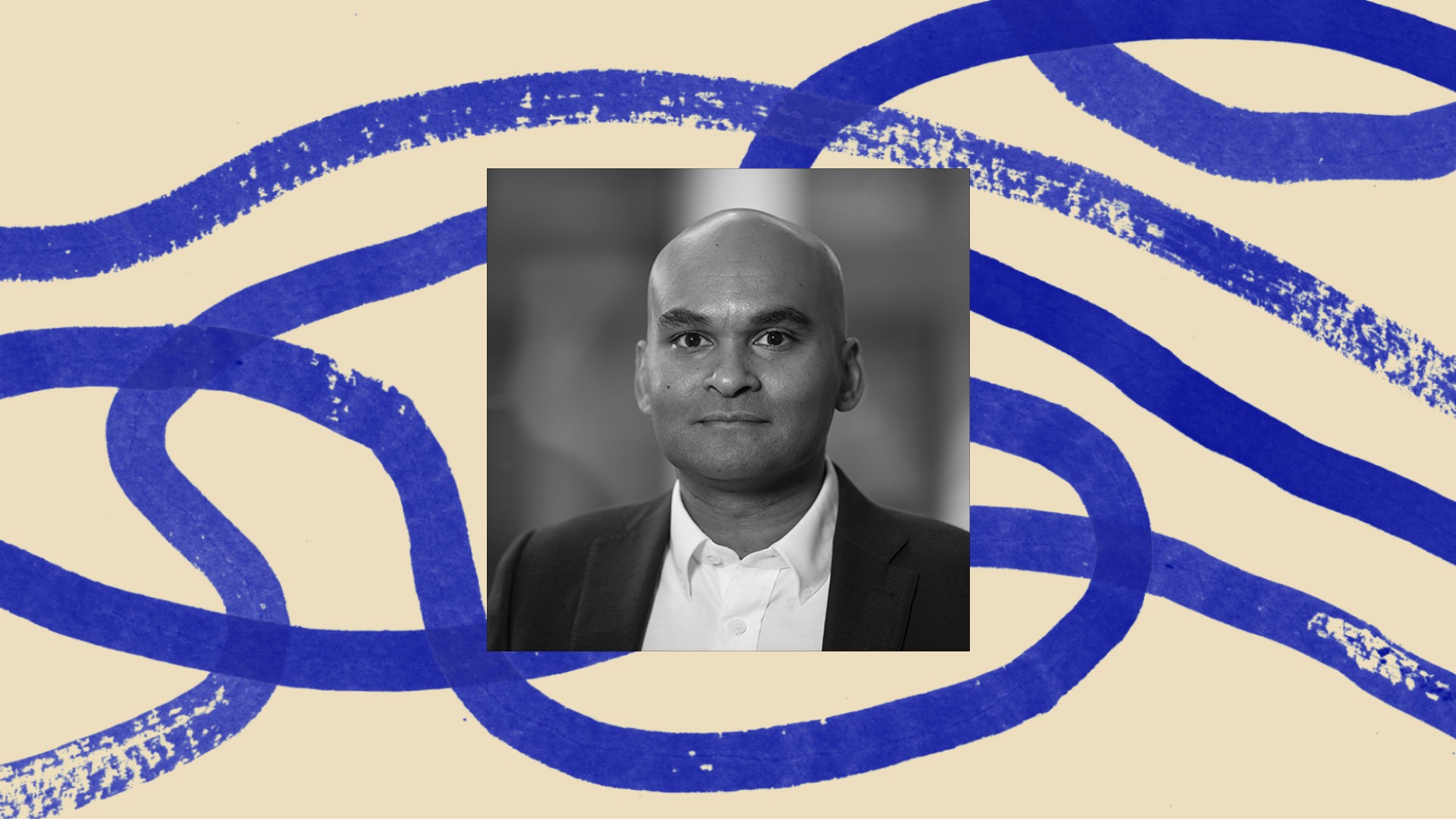
Large American cities frequently struggle with high operational costs and a perceived ineffectiveness in delivering essential public services, according to an analysis by Reihan Salam. This paradox of expensive yet underperforming urban governance stems from a complex interplay of factors, including entrenched bureaucratic structures, political incentives that prioritize short-term gains over long-term efficiency, and a lack of robust accountability mechanisms. Salam argues that many cities have become adept at managing budgets and projects in ways that obscure true costs and outcomes, leading to a persistent gap between public expectations and governmental performance. The issue is not necessarily a lack of funding, but rather how that funding is allocated and managed, often resulting in projects that are over budget and behind schedule, with limited tangible benefits for residents.
One significant contributor to this problem is the nature of urban politics and administration. Salam suggests that city governments often operate with a degree of insulation from direct market pressures or the kind of performance-based accountability found in the private sector. This can lead to a culture where bureaucratic inertia and the pursuit of established procedures take precedence over innovation and efficient service delivery. Furthermore, the complex web of local regulations, zoning laws, and permitting processes can stifle development and increase the cost of doing business and living in these cities, indirectly impacting the quality and affordability of services. The political landscape can also incentivize decisions that are popular in the short term but detrimental to long-term fiscal health or service quality.
To address these challenges, Salam proposes a multi-pronged approach focused on enhancing governmental efficacy and fiscal responsibility. Key recommendations include implementing more rigorous performance metrics for city agencies, fostering greater transparency in budgeting and project management, and exploring innovative service delivery models. This could involve leveraging technology to streamline operations, encouraging public-private partnerships where appropriate, and empowering city managers with greater autonomy to make data-driven decisions. A critical element is the need to align incentives within city government to reward efficiency and effective service delivery, rather than simply process adherence. Salam also emphasizes the importance of citizen engagement and feedback mechanisms to ensure that city governments are responsive to the needs of their residents.
Ultimately, the goal is to shift American cities from a model of expensive, often inefficient governance to one that is cost-effective and demonstrably delivers high-quality public services. This requires a fundamental re-evaluation of how cities are managed, a commitment to data-driven decision-making, and a willingness to embrace reforms that prioritize tangible outcomes for residents. The challenge is significant, given the deeply ingrained nature of current practices, but Salam's analysis provides a framework for understanding the root causes of urban governance failures and outlines a path toward more effective and accountable city administrations that can better serve their populations.
Original source — read the full reporting at the publisher:
Read on The AtlanticGet the weekly AI digest
AI news + new model releases, weekly. Drafted by our agents, reviewed by humans.