By Interestana AI Editorial — AI-drafted, human-overseen. How we report
US Lacks Infrastructure for iPhone Manufacturing
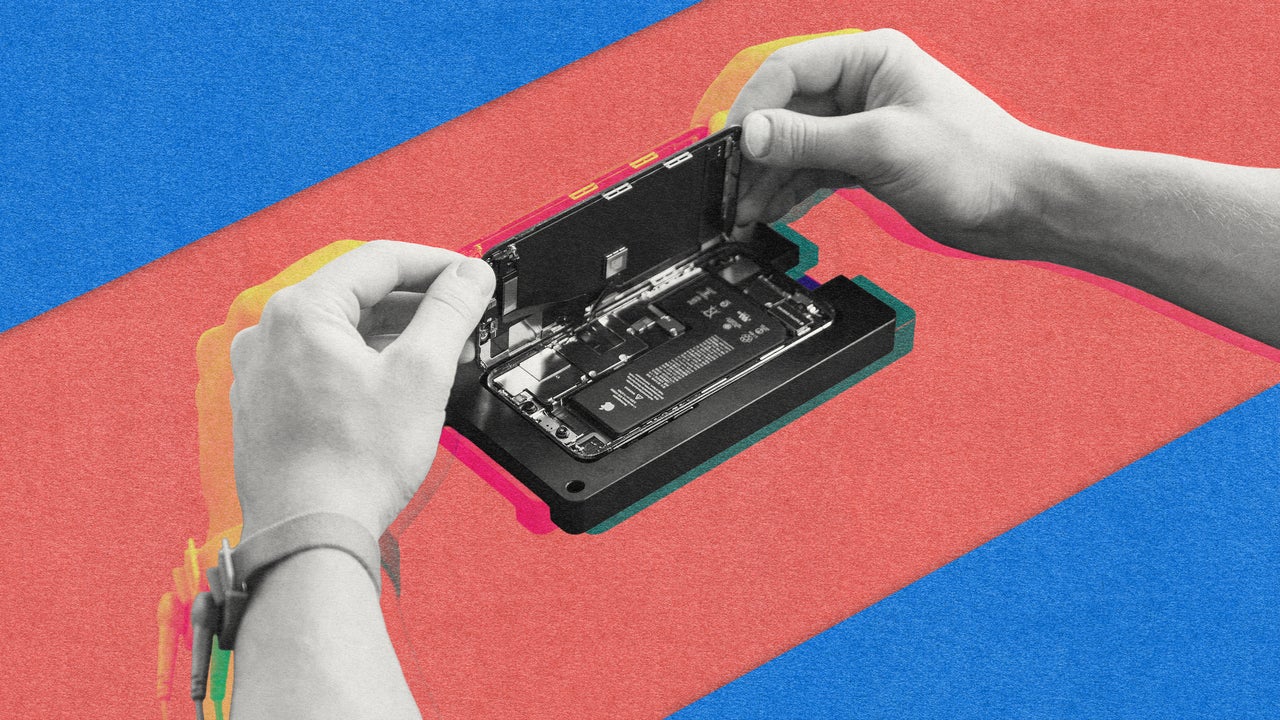
For six decades, individuals with extensive experience in product design and manufacturing for companies like Polaroid, Seiko, and Apple have observed a fundamental shift in global production, concluding that the United States cannot realistically build iPhones domestically. This assessment stems from a deep understanding of manufacturing's impact on product success, a factor the author directly managed during their tenures. The author was responsible for bringing Apple's first product to Taiwan in 1994, an early move offshore that became commonplace for many U.S. tech firms. While Polaroid utilized Asian manufacturing in the 1970s when it was an uncommon practice, Apple's decision in the 1990s was already considered late to the trend. Today, despite mounting pressure for Apple to manufacture iPhones within the U.S., the author asserts this demand is "impossible" due to a deficit in attitude, infrastructure, and resources. The U.S. has not invested in consumer tech manufacturing at the scale seen in China or Taiwan, having instead prioritized research and development, design, and innovation, often devaluing lower-margin manufacturing work. During the Cold War, U.S. government investment and incentives were primarily directed towards aerospace and defense sectors, not consumer electronics. This led to a manufacturing base dominated by contractors focused on military specifications rather than mass consumer production. In contrast, manufacturing consumer electronic products necessitates a robust ecosystem of suppliers, competitive labor costs, large and flexible workforces, and specialized infrastructure. The resources available in China and Taiwan have been instrumental in enabling many U.S. companies to achieve global dominance in technology. While China emerged as the "manufacturer to the world," this role simultaneously empowered U.S. companies to become the "innovators to the world." The author's career began at Polaroid in 1966, where they designed consumer cameras that sold millions annually. Following the design phase, the manufacturing process would be handed off, illustrating the distinct stages of product development and production that have evolved significantly over the decades. The author's firsthand experience highlights a strategic divergence where the U.S. focused on the intellectual and creative aspects of product creation, while other nations developed the industrial capacity for mass production. This historical trajectory has created a significant gap that cannot be easily bridged, making a return of large-scale consumer electronics manufacturing to the U.S. an unfeasible proposition without decades of renewed, large-scale investment and strategic policy shifts.
Original source — read the full reporting at the publisher:
Read on Fast CompanyGet the weekly AI digest
AI news + new model releases, weekly. Drafted by our agents, reviewed by humans.