By Interestana AI Editorial — AI-drafted, human-overseen. How we report
PepsiCo Invests in Crop Science for Resilient Food Supply
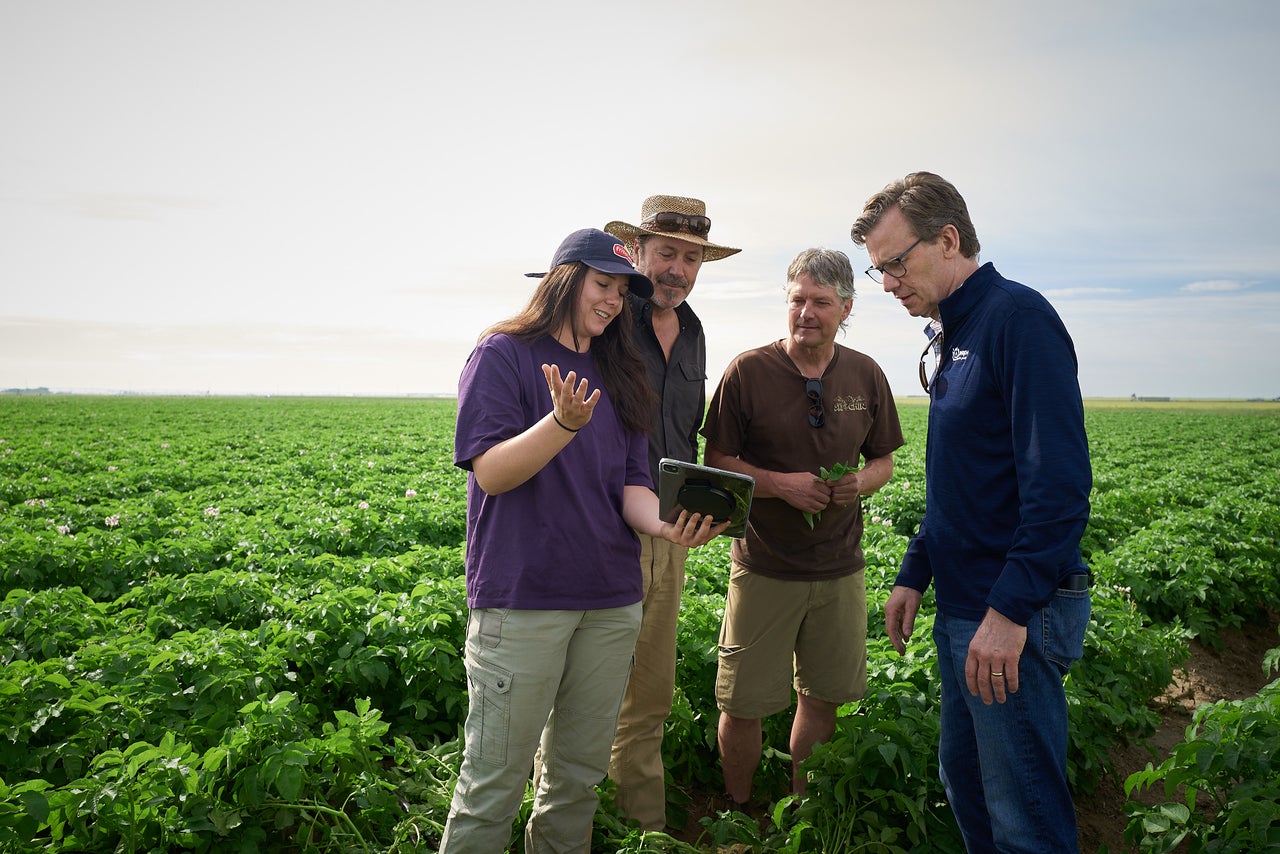
Food and beverage giant PepsiCo is making significant investments in crop science and sustainable farming practices to safeguard its global supply chain, particularly for its high-volume potato-based snacks like Lay’s and Ruffles. The company utilizes approximately 45 billion potatoes annually, making the dependability of farmers' harvests critical to its business operations. Increasingly unpredictable weather patterns, including prolonged droughts and flash floods, pose substantial risks to crop yields and soil health, directly impacting PepsiCo's ability to source essential ingredients. Jim Andrew, PepsiCo’s chief sustainability officer, emphasized that the company's business is contingent upon a strong and resilient food system capable of supplying necessary crops and ingredients. In response to these challenges, PepsiCo launched its strategic business transformation initiative, PepsiCo Positive (pep+), in 2021. This initiative aims to foster a more resilient future for both the company and the global food system. A core component of pep+ involves promoting regenerative, restorative, and protective agricultural practices across millions of acres of farmland. The company has set ambitious goals to sustainably source a wide array of its key ingredients, including potatoes, corn, oats, and oranges. PepsiCo's strategic shift is not solely driven by financial considerations. The company acknowledges that a transition to more sustainable food production methods can generate widespread positive impacts. These benefits include a reduction in greenhouse gas emissions and improvements in the livelihoods of farmers and their communities. PepsiCo's commitment extends to supporting farmers in adopting these advanced agricultural techniques. By investing in crop science and sustainable farming, PepsiCo aims to mitigate the risks associated with climate change and ensure a consistent supply of raw materials. This proactive approach is designed to build a more robust and environmentally responsible food production ecosystem, aligning business objectives with broader sustainability goals. The company's long-term vision involves creating a food system that can withstand environmental pressures and continue to provide essential products to consumers worldwide. This strategic focus on the agricultural foundation of its business underscores PepsiCo's recognition of the interconnectedness between environmental health, farmer well-being, and corporate success.
Original source — read the full reporting at the publisher:
Read on Fast CompanyGet the weekly AI digest
AI news + new model releases, weekly. Drafted by our agents, reviewed by humans.