By Interestana AI Editorial — AI-drafted, human-overseen. How we report
Airlines Introduce 'Basic' First and Business Class Fares
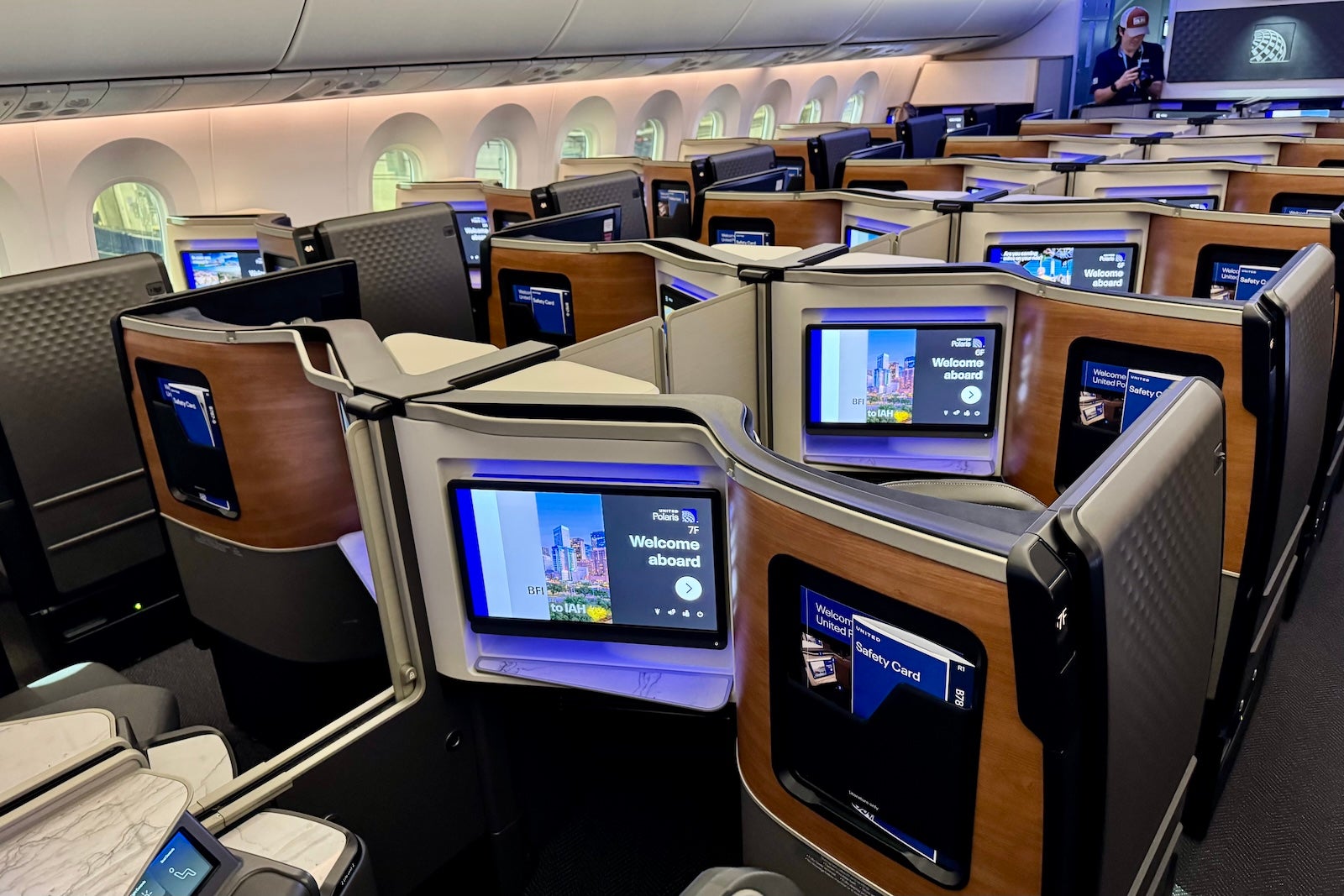
Several major U.S. airlines, including United Airlines, Delta Air Lines, and JetBlue, are increasingly offering "basic" or "unbundled" fare options for premium cabins such as first and business class. This trend, which mirrors the "basic economy" fares that have become common in coach over the past decade, involves removing certain amenities and flexibility from the lowest-priced premium tickets. For instance, passengers booking a "basic" business fare on United Airlines may not be able to access the airline's Polaris Lounge, and similarly, Delta's lowest business fares exclude Delta One Lounge access. These "basic" premium tickets often come with restrictions on seat selection and itinerary changes, mirroring the limitations found in basic economy coach fares. JetBlue plans to implement similar stripped-down fares when it introduces its new domestic first-class cabin later this year. The introduction of these fares extends to various premium cabin types, including economy versus basic economy, business class versus basic business class, premium economy versus basic premium economy, and first class versus domestic first class. Furthermore, "basic" ticket options are beginning to appear even on award bookings for some carriers. Airlines contend that these expanded fare structures provide consumers with greater choice and more pricing options across all cabins. Delta's former president, Glen Hauenstein, stated last year that the goal is to offer "more choice, more pricing options, and more products and services in every cabin." However, industry analysts express concern that these "basic" premium fares may function as a subtle method of increasing overall ticket prices. By offering a lower advertised price point for a premium seat, airlines can attract price-sensitive customers while simultaneously encouraging others to pay more for the full-service experience. This unbundling strategy allows airlines to segment their customer base more effectively and potentially maximize revenue from each flight. The practice of unbundling services to create tiered pricing is a well-established strategy in the airline industry, primarily seen in the coach cabin. The extension of this model to premium cabins signifies a significant shift in how airlines are structuring their offerings and pricing for higher-paying passengers. The long-term impact on passenger experience and airline revenue remains a subject of ongoing observation within the travel industry.
Original source — read the full reporting at the publisher:
Read on The Points GuyGet the weekly AI digest
AI news + new model releases, weekly. Drafted by our agents, reviewed by humans.