By Interestana AI Editorial — AI-drafted, human-overseen. How we report
El Niño Shatters Records, Threatens Global Heat Deaths
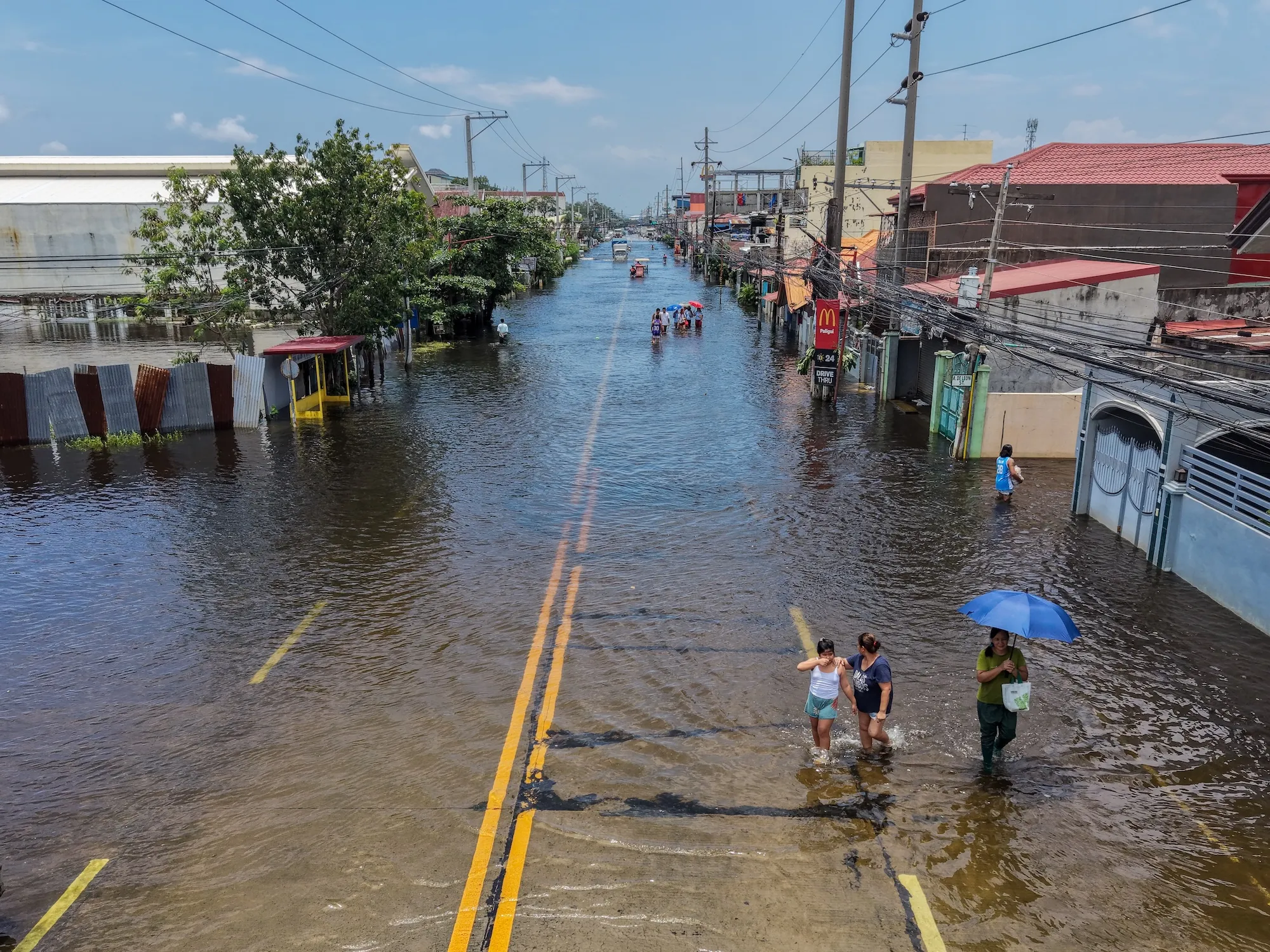
This year's El Niño, a naturally occurring weather phenomenon characterized by rising sea surface temperatures in the Pacific Ocean, is exhibiting unprecedented strength and has been colloquially described with terms like "super" or "Godzilla" El Niño. While these informal labels are not officially recognized by meteorological organizations such as the National Oceanic and Atmospheric Administration (NOAA) or the World Meteorological Organization (WMO), climatologists like Jeffrey Shaman of Columbia Climate School acknowledge their utility in conveying the event's exceptional magnitude to the public. The current El Niño is expected to have profound global weather pattern disruptions, exacerbating existing climate conditions and potentially leading to catastrophic consequences.
A study projects that the current El Niño could be responsible for as many as 451,000 heat-related deaths worldwide by February. This projection underscores the severe public health implications of the phenomenon, particularly in conjunction with ongoing global warming trends driven by fossil fuel combustion. The event serves as a stark indicator of a future under unabated warming, offering a critical juncture for humanity to alter its course and mitigate the most severe climate impacts. Images from August 20, 2026, in Apalit, Pampanga, Philippines, show people navigating flooded roads caused by monsoon rains, while a September 4, 2026, image from Polonnaruwa, Sri Lanka, depicts water buffaloes in a dried-up lake, illustrating El Niño's role in worsening droughts and water scarcity.
El Niño events occur irregularly, typically every two to seven years, and are defined by a sustained period of warmer-than-average sea surface temperatures in the central and eastern tropical Pacific Ocean. This warming disrupts atmospheric circulation patterns, leading to significant shifts in weather across the globe. These shifts can manifest as increased rainfall and flooding in some regions, while others experience severe droughts and heatwaves. The intensity of El Niño events can vary, with some being relatively weak and others exceptionally strong, like the one observed this year, which is being closely monitored for its far-reaching environmental and societal impacts. The scientific community is actively studying the current El Niño's characteristics to better understand its relationship with climate change and to improve future predictions.
Original source — read the full reporting at the publisher:
Read on GristGet the weekly AI digest
AI news + new model releases, weekly. Drafted by our agents, reviewed by humans.