By Interestana AI Editorial — AI-drafted, human-overseen. How we report
Safe Assets Compete With Risk: Lessons for Bitcoin
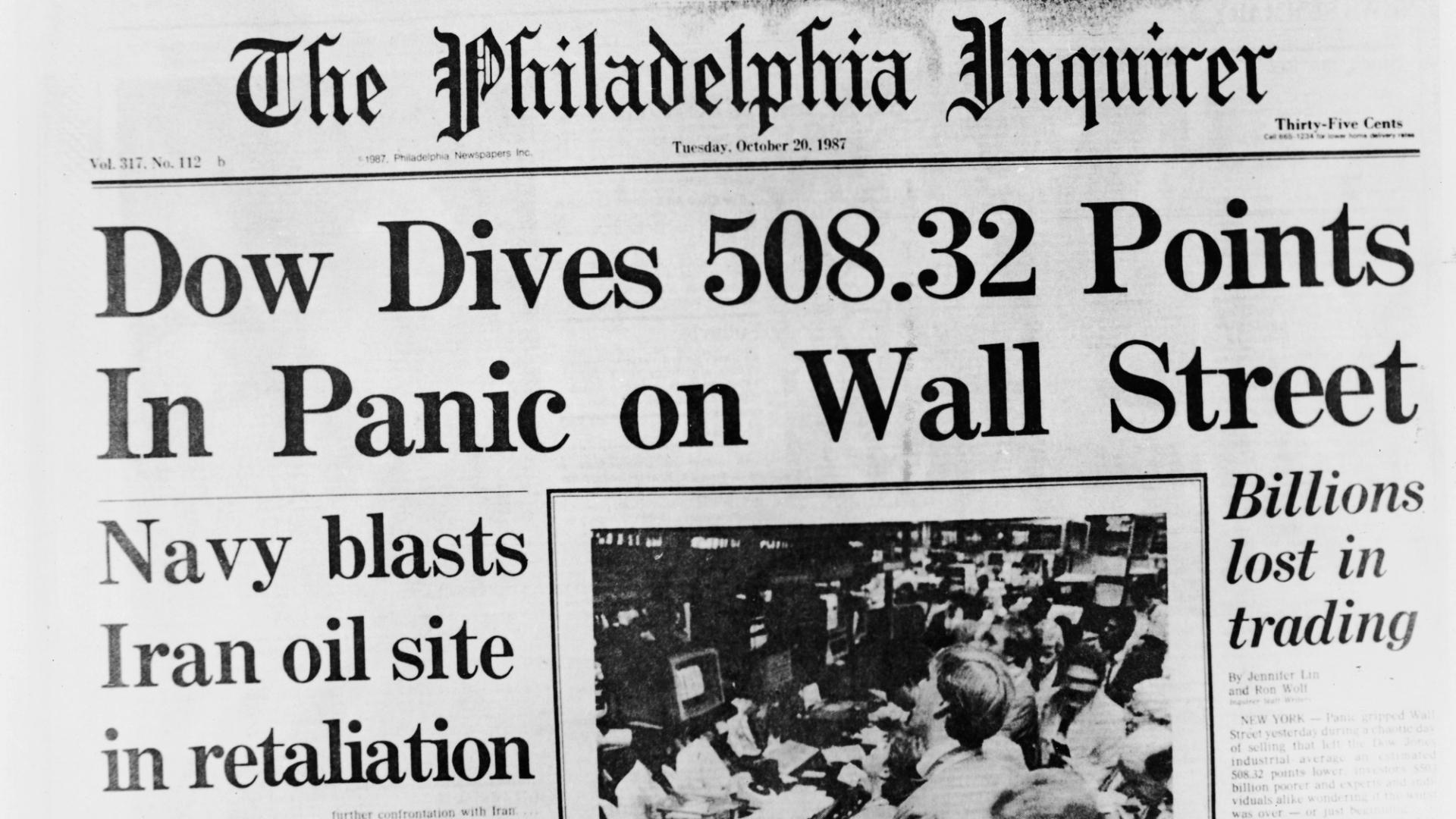
An analysis of the period between the 1960s and 1990s reveals a dynamic where safe assets competed with risk assets, a dynamic that offers valuable lessons for contemporary investors in assets like Bitcoin and stocks. This historical context is crucial for understanding potential future market behaviors and investment strategies. During the 1960s and 1970s, a period characterized by high inflation and economic uncertainty, investors often sought refuge in traditional safe-haven assets. However, the nature of these safe assets and their performance varied significantly. For instance, U.S. Treasury bonds, typically considered a benchmark safe asset, experienced periods of substantial volatility due to rising interest rates and inflation, challenging their perceived safety. This era saw a notable divergence in returns between different classes of safe assets, prompting a re-evaluation of what constituted a truly secure investment. The competition between safe assets and riskier investments, such as equities, was intense. When inflation was high and unpredictable, the real returns on fixed-income securities diminished, making equities, despite their inherent volatility, appear more attractive for their potential to outpace inflation. Conversely, during periods of economic stability and falling inflation, the appeal of safe assets increased, drawing capital away from riskier markets. The 1980s and 1990s presented a different landscape, with disinflationary trends and a period of sustained economic growth in many developed economies. This environment generally favored risk assets, leading to significant bull markets in equities. However, even within these decades, there were intermittent periods of market stress and corrections that underscored the enduring role of safe assets in portfolio diversification. The lessons from these decades are particularly relevant for Bitcoin, a relatively new and highly volatile asset class that is often debated as a potential store of value or a risk asset. Understanding how traditional safe assets performed under various macroeconomic conditions—such as inflation, interest rate changes, and economic growth—can help investors assess Bitcoin's potential role in a diversified portfolio. For example, if Bitcoin is viewed as a digital gold, its performance during inflationary periods in the past would be a key point of comparison. Similarly, the correlation between Bitcoin and traditional risk assets like stocks, and how this correlation shifted during different economic cycles, is a critical area of study. The historical interplay between safe and risk assets suggests that no single asset class consistently outperforms across all economic regimes. Investors must consider the prevailing macroeconomic environment, their risk tolerance, and their investment objectives when allocating capital. The experience of the 1960s-90s highlights the importance of diversification and the need to adapt investment strategies as economic conditions evolve. For Bitcoin, this historical perspective suggests that its long-term viability and role in investment portfolios will likely depend on its ability to demonstrate consistent value preservation or growth across different economic cycles, much like traditional safe assets have been tested and re-evaluated over decades.
Original source — read the full reporting at the publisher:
Read on CoinDeskGet the weekly AI digest
AI news + new model releases, weekly. Drafted by our agents, reviewed by humans.