By Interestana AI Editorial — AI-drafted, human-overseen. How we report
Plastic Industry Infiltrates K-12 Curricula, Report Finds
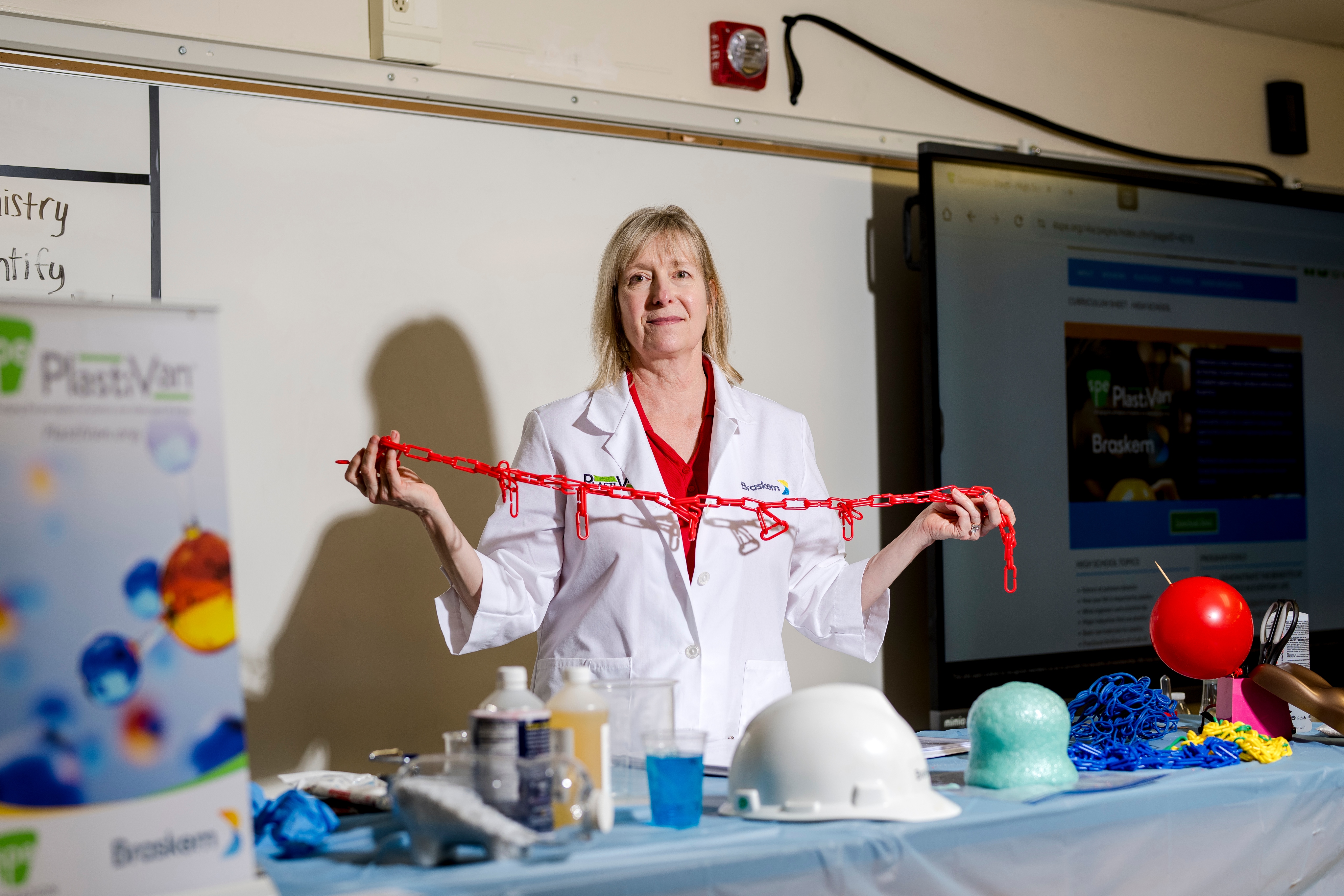
This fall, 54 million K-12 students are returning to classrooms where lessons on plastics are increasingly being integrated into the curriculum, according to a new report by the nonprofit Plastic Pollution Coalition. The report documents various methods the plastics industry employs to insert its agenda into U.S. schools, including providing lesson plans, worksheets, and hands-on science experiments. A program named "PlastiVan" travels to different cities, educating students on "the contribution plastics make to modern life." These industry-provided resources are often offered to teachers at no cost or at a reduced price. The materials typically emphasize the essential role of plastics in contemporary society while minimizing their substantial negative impacts on human health and the environment. Madison Dennis, senior policy and advocacy manager for Plastic Pollution Coalition and a primary author of the report, stated that "When that information is provided to kids, it obfuscates the true impacts of plastic pollution." The report highlights that beyond harming marine life, plastics can expose individuals to hazardous chemicals, obstruct storm drains, exacerbate flooding, and release greenhouse gases that contribute to global warming. In response, Dennis's organization is advocating for more stringent school policies to prohibit the use of learning materials sponsored by the industry. The report further outlines four specific case studies illustrating what it terms "propaganda" from the plastics industry targeted at schoolchildren. One case study focuses on the Society of Plastics Engineers (SPE), a trade group that is now a division of the Plastics Industry Association. SPE's educational materials include activities such as a "plastic scavenger hunt," designed to help students "understand that plastics are ubiquitous and their importance to society and their personal life." Another resource from SPE is a video titled "Your Bottle Means Jobs," which explains how plastic recycling contributes to local employment. A separate case study examines the American Association of Chemistry Teachers, an organization that has also been involved in disseminating industry-aligned educational content. The Plastic Pollution Coalition's findings underscore a broader concern about corporate influence in educational settings and the potential for biased information to shape young minds regarding critical environmental issues.
Original source — read the full reporting at the publisher:
Read on GristGet the weekly AI digest
AI news + new model releases, weekly. Drafted by our agents, reviewed by humans.