By Interestana AI Editorial — AI-drafted, human-overseen. How we report
Marine Heatwaves Linked to Increased Child Malnutrition
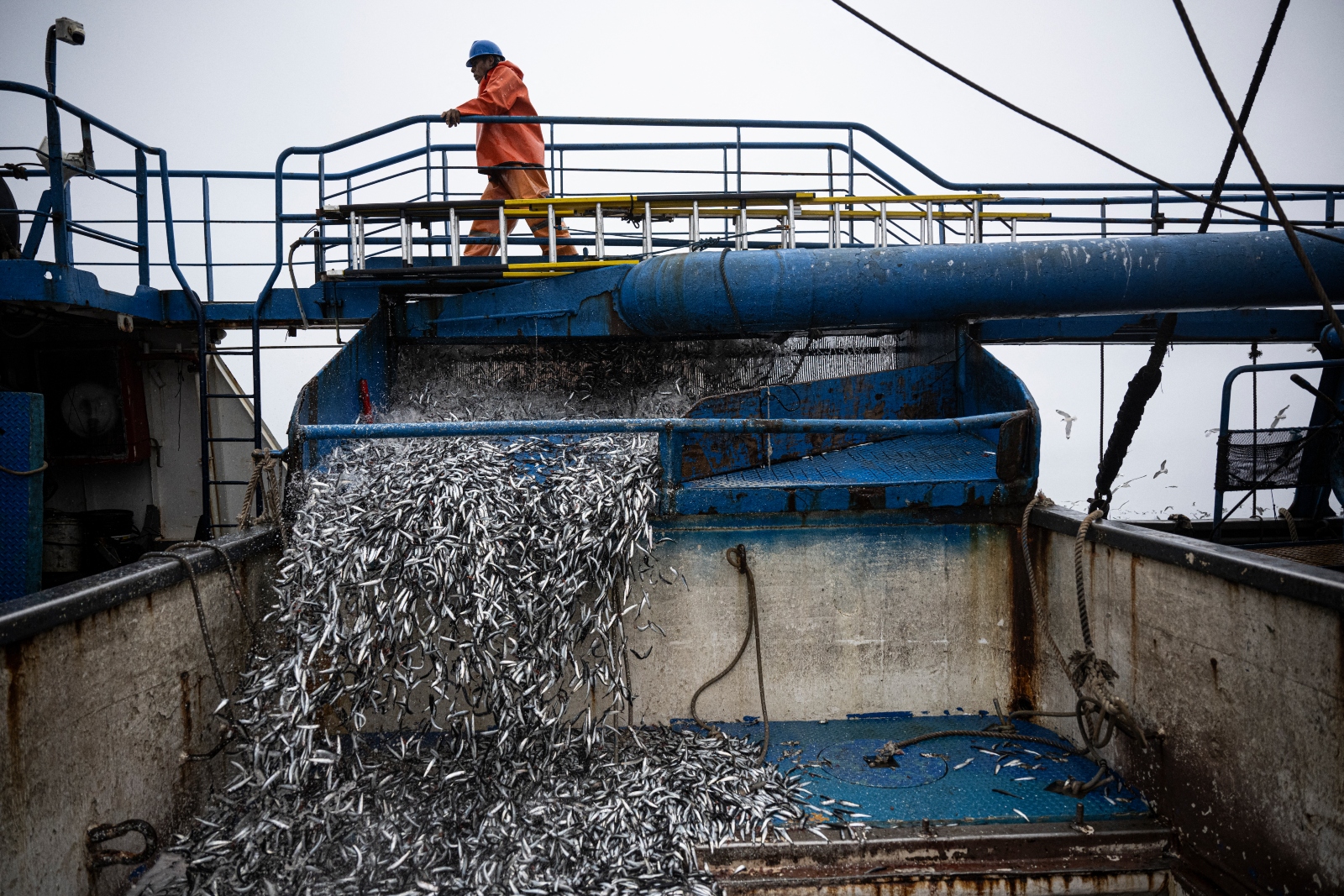
An interdisciplinary team of social and marine scientists discovered a correlation between the increasing frequency and intensity of marine heatwaves and adverse child health outcomes in low and middle-income countries. The research, published this month in the Proceedings of the National Academy of Sciences (PNAS), indicates that for every standard deviation increase in marine heatwaves over a 24-month period, child mortality rises by 5.4 percent. Additionally, child wasting, a condition resulting from acute malnutrition, increased by 6.5 percent, and child stunting, indicative of chronic malnutrition, rose by 8.8 percent. Marine heatwaves are defined as prolonged periods of elevated ocean temperatures, a phenomenon exacerbated by climate change.
Clark Gray, a human geographer and professor at the University of North Carolina at Chapel Hill, led the study. He expressed initial skepticism about finding a direct link, stating, "I was very ready to find nothing." The study's authors acknowledge that the precise mechanisms by which marine heatwaves influence terrestrial health outcomes are still under investigation. While the data demonstrates a strong correlation, the causal pathways remain unclear. One potential explanation involves the disruption of oceanic food chains, leading to the die-off of essential fish and shellfish populations. However, the researchers also noted that other factors, such as terrestrial heatwaves or the proliferation of mosquito-borne infectious diseases, could contribute to these observed health impacts and cannot be definitively ruled out.
The study's scope was specifically focused on health data from low and middle-income countries, highlighting a vulnerability in these regions to climate-related environmental shifts. The authors emphasized that their analysis reveals a correlation, not necessarily a direct causation, and further research is needed to fully understand the complex interplay between ocean warming and child health. Katy Seto, an associate professor of environmental studies at the University of California, Santa Cruz, commented on the significance of the findings, describing the research as "important nevertheless" and suggesting that high-level findings like these provide a crucial foundation for refining future scientific inquiries into climate change impacts on human health.
This research contributes to a growing body of evidence linking climate change-induced environmental stressors to human health crises. The findings underscore the interconnectedness of global ecosystems and human well-being, particularly for the most vulnerable populations. The PNAS publication signifies a peer-reviewed validation of the study's methodology and conclusions, making it a significant contribution to the scientific discourse on climate change and public health. The team's commitment to exploring these complex relationships, despite initial uncertainties, is crucial for developing targeted interventions and policy responses to mitigate the effects of a warming planet.
Original source — read the full reporting at the publisher:
Read on GristGet the weekly AI digest
AI news + new model releases, weekly. Drafted by our agents, reviewed by humans.