By Interestana AI Editorial — AI-drafted, human-overseen. How we report
Bush Defended Muslim Americans Post-9/11
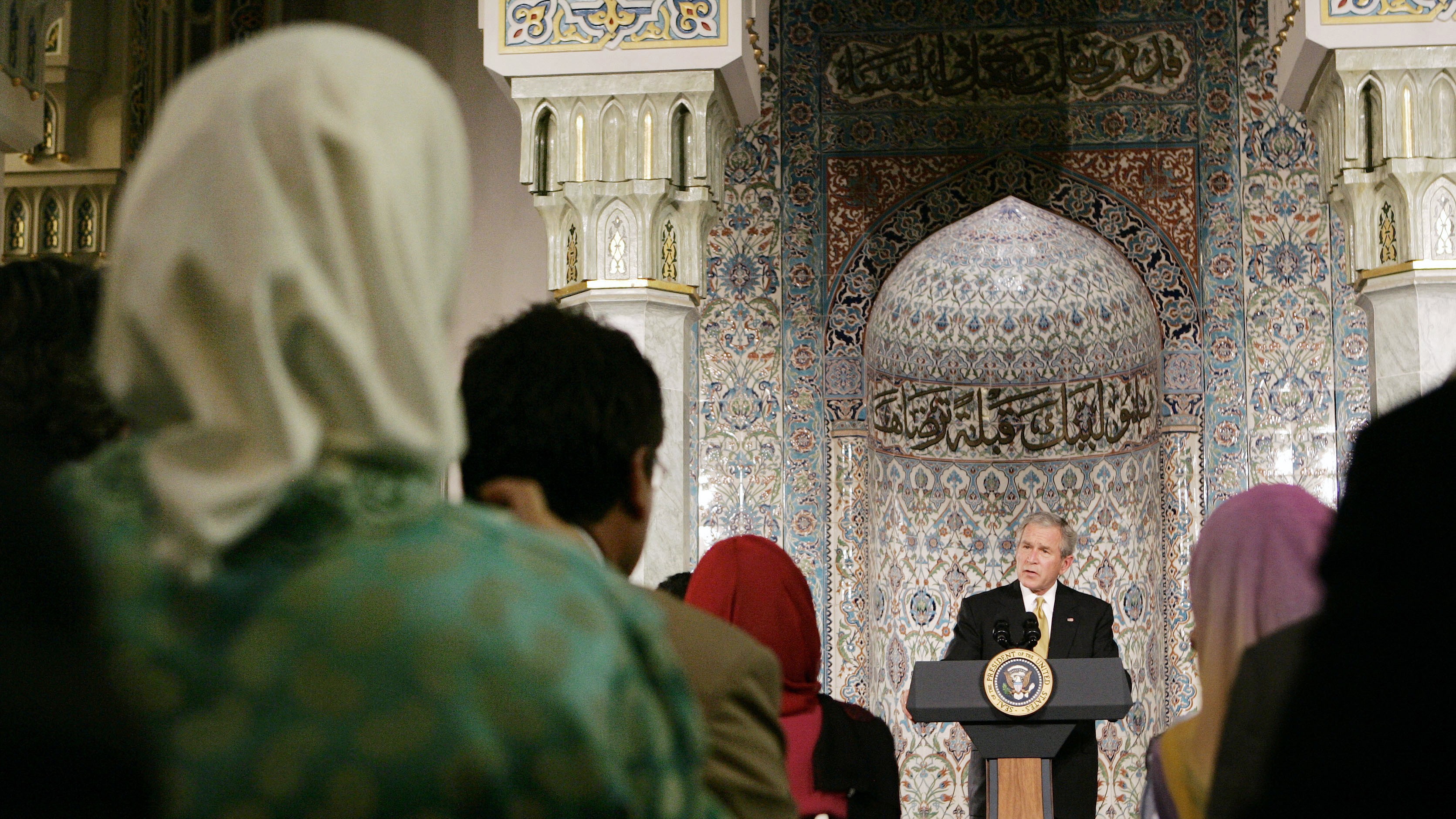
Former President George W. Bush delivered a notable defense of Muslim Americans in the aftermath of the September 11, 2001, terrorist attacks, a period marked by widespread fear and suspicion. Speaking on September 17, 2001, from the Oval Office, Bush stated, "Islam is a religion of peace. They practice peace, and those who call themselves Muslims love peace." He further emphasized that the attacks were carried out by "evil people" and not representative of the broader Muslim community. Bush's administration actively worked to reassure Muslim Americans and counter anti-Muslim sentiment, which saw a significant surge following the attacks. This included public statements, meetings with Muslim leaders, and efforts to prevent discrimination and hate crimes. The former president's actions were aimed at distinguishing between the terrorists and the vast majority of peaceful adherents to Islam, thereby preventing a backlash against an entire religious group. His rhetoric sought to foster unity and prevent the nation from turning against itself during a time of national crisis. The Bush administration's approach was characterized by a deliberate effort to avoid conflating the actions of a few extremists with the beliefs and practices of over a billion Muslims worldwide. This stance was crucial in maintaining social cohesion and preventing the alienation of a significant segment of the American population. The president's public appearances, including a visit to a mosque in Washington D.C. on October 4, 2001, further underscored his commitment to this inclusive message. During that visit, he reiterated that "America is a nation of people of many faiths and many backgrounds" and that "all Americans stand with our Muslim citizens." This period marked a significant moment where presidential leadership actively worked to combat Islamophobia and promote religious tolerance. The contrast between Bush's post-9/11 rhetoric and the current political landscape, particularly the rise of the "Make America Great Again" (MAGA) movement, is frequently highlighted by commentators. Critics of the MAGA movement often point to its more restrictive immigration policies and rhetoric concerning Muslim individuals as a departure from the inclusive approach taken by the Bush administration in the immediate wake of the 9/11 attacks. This historical contrast serves as a point of discussion regarding evolving political discourse and attitudes towards religious and ethnic minorities in the United States. The events of September 11, 2001, led to profound shifts in American foreign and domestic policy, and the way the nation addressed its Muslim population became a significant aspect of this transformation. Bush's early response is often cited as an example of presidential leadership aimed at preventing the scapegoating of an entire religious group during a time of intense national trauma and fear.
Original source — read the full reporting at the publisher:
Read on The AtlanticGet the weekly AI digest
AI news + new model releases, weekly. Drafted by our agents, reviewed by humans.