By Interestana AI Editorial — AI-drafted, human-overseen. How we report
Meta's AI Glasses Face Scrutiny Over Privacy Concerns
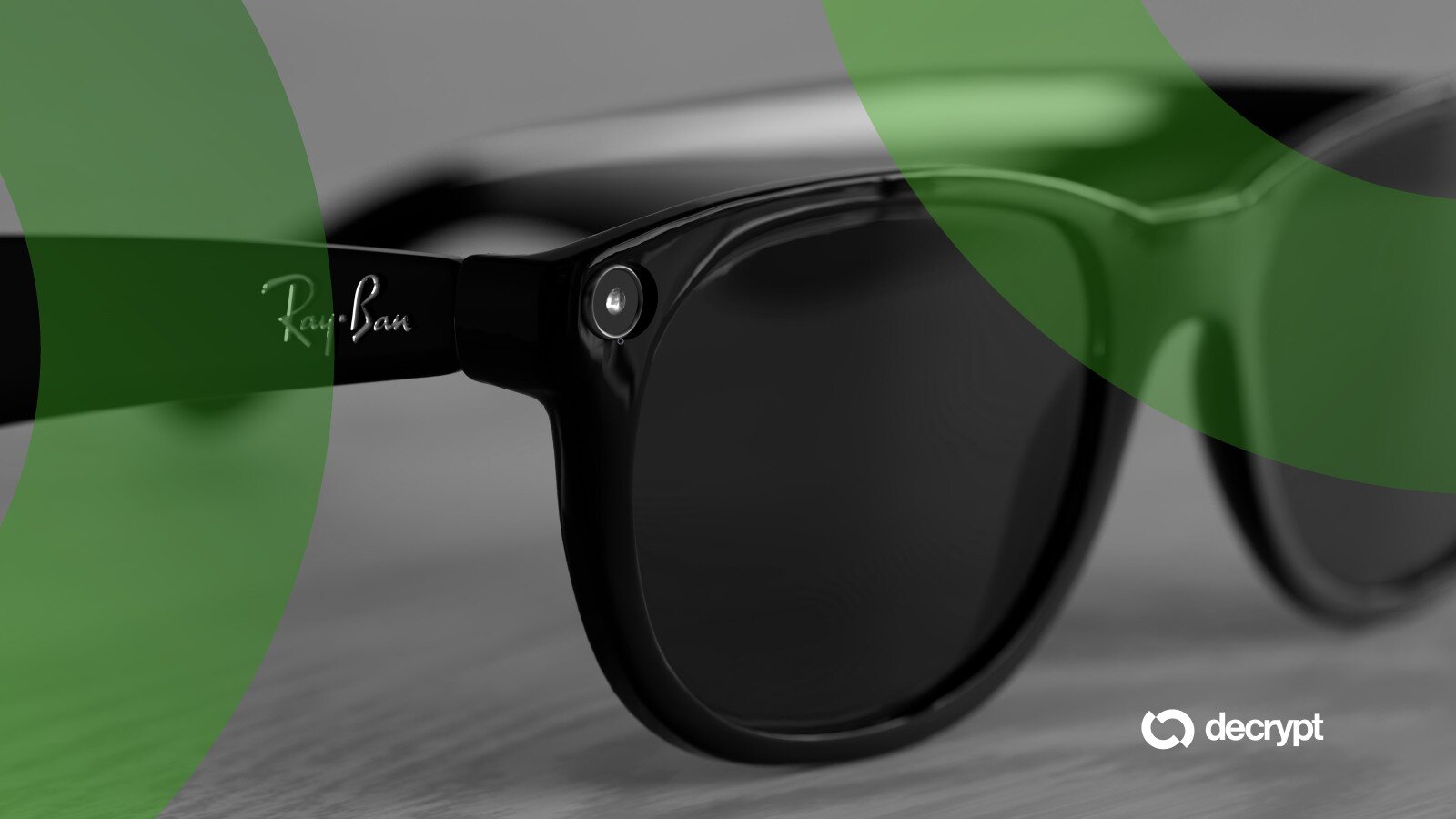
Meta's augmented reality smart glasses, equipped with artificial intelligence capabilities, are facing significant scrutiny from multiple fronts, including lawsuits, privacy complaints, allegations of secret recordings, and government investigations. These concerns highlight a growing tension between the potential of AI-powered wearable technology and the fundamental rights to privacy and consent. The devices, which integrate cameras and microphones, raise questions about data collection, surveillance, and the ethical implications of ubiquitous AI in personal spaces.
One of the primary areas of concern revolves around the device's ability to record audio and video without explicit consent from all parties present. Lawsuits have been filed alleging violations of privacy laws, with plaintiffs claiming that the glasses facilitate unauthorized surveillance. These legal challenges are not only targeting Meta Platforms, Inc. but also underscore a broader societal debate about the acceptable boundaries of technology in public and private life. The company has stated that the glasses are designed with privacy in mind, featuring visible indicators when recording, but critics argue these measures are insufficient to prevent misuse.
Government agencies have also initiated investigations into Meta's AI glasses, examining potential breaches of data protection regulations and the broader impact on consumer privacy. These investigations are likely to scrutinize how Meta collects, stores, and uses the data gathered by the glasses, particularly any personally identifiable information or sensitive conversations captured. The regulatory landscape for AI and wearable technology is still evolving, and these investigations could set precedents for future product development and deployment in the sector.
Beyond legal and regulatory challenges, the "pervert glasses" moniker, as some critics have dubbed them, reflects public apprehension about the potential for misuse. Concerns include the possibility of individuals using the technology for stalking, harassment, or illicit recording, thereby eroding trust and safety. The integration of AI further amplifies these worries, as the devices can potentially analyze and interpret the environment and interactions in ways that are not always transparent to users or those around them. Meta's response to these criticisms has involved emphasizing user control and safety features, but the ongoing investigations and lawsuits indicate that these assurances are not yet fully alleviating public and governmental concerns about the privacy implications of their AI-powered smart glasses.
Original source — read the full reporting at the publisher:
Read on DecryptGet the weekly AI digest
AI news + new model releases, weekly. Drafted by our agents, reviewed by humans.