Mark Twain's Views on America at 250 Explored
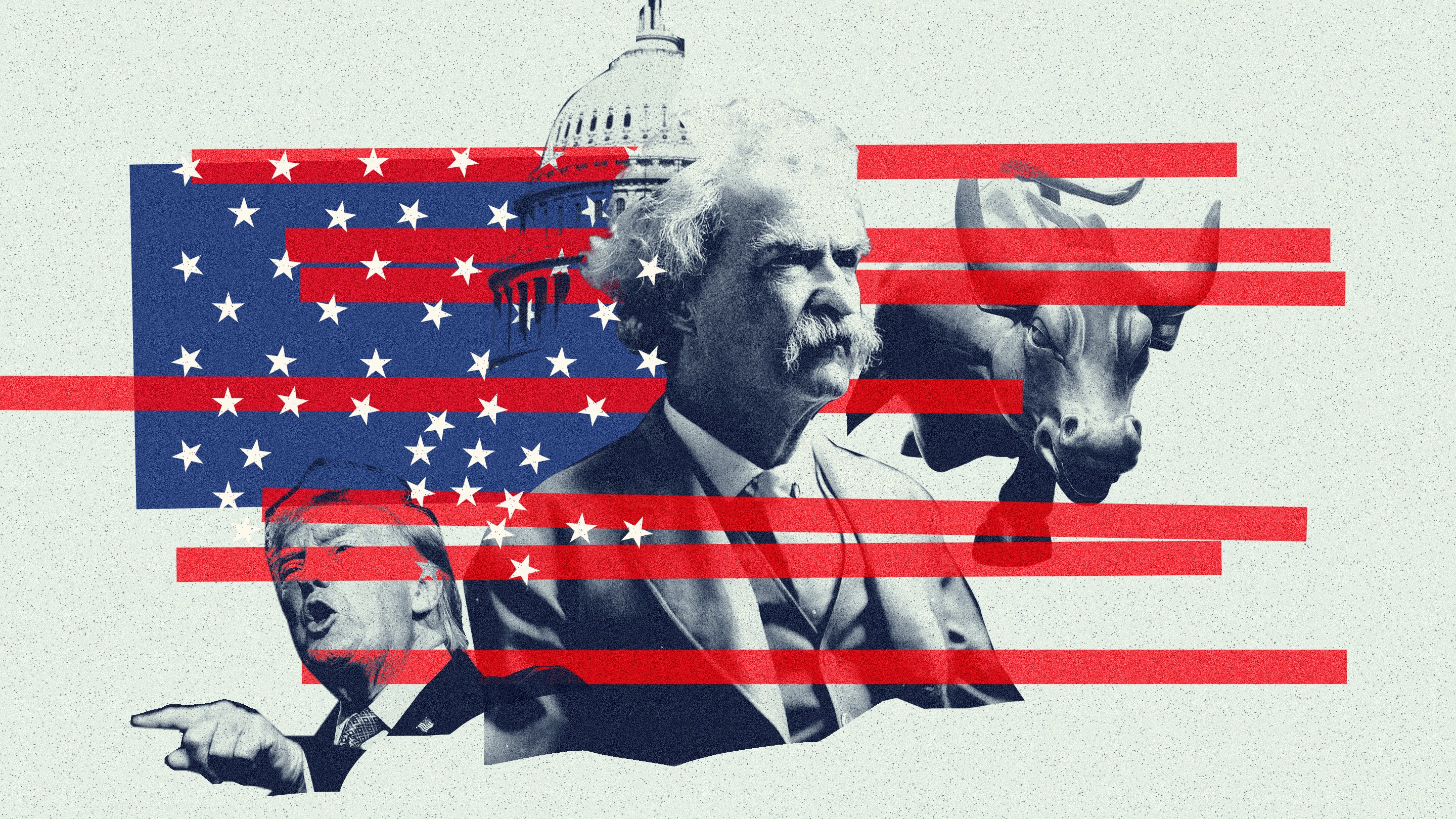
Mark Twain, a celebrated American satirist known for his technological optimism and sharp critiques of corruption, would likely have a complex perspective on the United States as it approaches its 250th anniversary in 2026. His writings often delved into the nation's evolving identity, its embrace of innovation, and its persistent societal flaws. Twain, who lived through a period of significant industrial and technological advancement, was an early adopter and enthusiast of new inventions, including the Paige Compositor typesetting machine and the telephone. This fascination with progress suggests he would likely be intrigued by the technological landscape of 2026, which includes artificial intelligence, advanced communication networks, and space exploration.
However, Twain's enduring legacy is also built on his incisive commentary on human nature and societal hypocrisy. He frequently satirized political corruption, economic inequality, and the gap between American ideals and reality. Given the ongoing debates surrounding political polarization, economic disparities, and the influence of money in politics in the mid-2020s, it is probable that Twain would find ample material for his characteristic brand of satire. His observations on the Gilded Age, a period marked by rapid economic growth alongside widespread corruption and social unrest, might resonate with contemporary challenges.
Twain's literary works, such as "The Adventures of Huckleberry Finn" and "A Connecticut Yankee in King Arthur's Court," often explored themes of freedom, morality, and the clash between tradition and modernity. His characters frequently grappled with complex ethical dilemmas, reflecting his own deep engagement with the moral fabric of American society. In 2026, issues such as civil liberties, social justice, and the impact of digital technologies on individual autonomy would likely capture his critical attention. His skepticism towards unchecked power and his advocacy for individual conscience suggest he would be a vocal commentator on any perceived erosions of democratic principles or human rights.
Ultimately, an exploration of what Mark Twain would think of America at 250 hinges on understanding his dual appreciation for human ingenuity and his profound distrust of human fallibility. He would likely marvel at the technological achievements of the nation while simultaneously lamenting any persistent failures to live up to its founding ideals. His keen eye for irony and his powerful prose would undoubtedly offer a unique and perhaps unsettling reflection on the state of the nation.
Original source — read the full reporting at the publisher:
Read on The Atlantic