By Interestana AI Editorial — AI-drafted, human-overseen. How we report
Reimagining the Soul: Dreams as a New Language for Inner Understanding
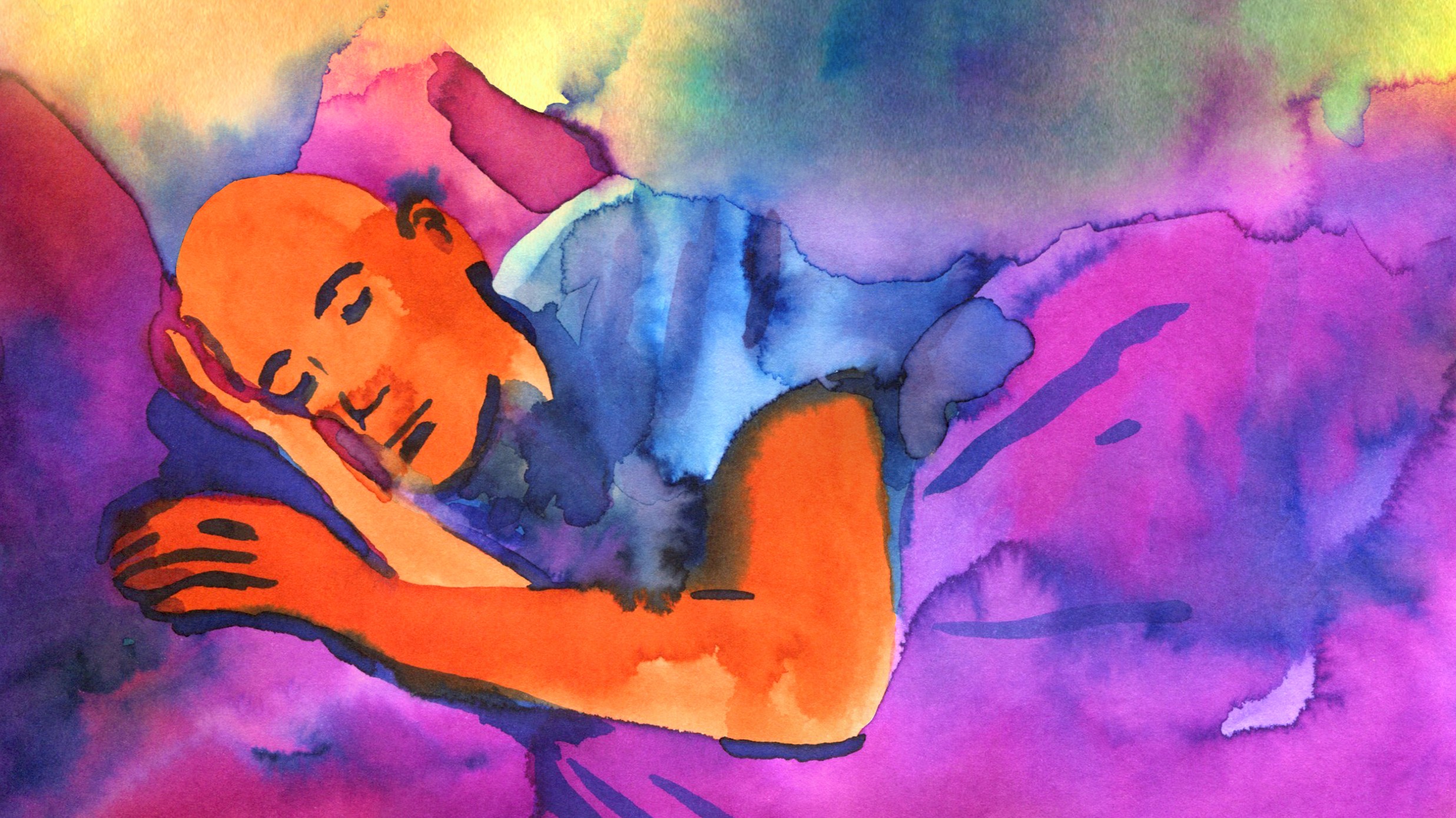
The essay "What Were My Dreams Trying to Tell Me?" argues for a fundamental shift in how we understand the soul, positing that conventional psychological frameworks are insufficient to grasp its profound and symbolic expressions, particularly as manifested in dreams. The author contends that dreams serve as a direct, albeit often enigmatic, channel through which the soul communicates vital messages about our inner lives. This perspective moves beyond the purely cognitive or behavioral models that have dominated much of 20th and 21st-century psychology, such as those championed by figures like B.F. Skinner with his focus on observable behavior, or Sigmund Freud and Carl Jung, whose psychoanalytic theories, while acknowledging the unconscious, are presented as potentially reductive when applied to the soul's deeper communications.
The piece elaborates on the idea that the soul communicates not through literal pronouncements but through a rich tapestry of metaphors, archetypes, and narratives woven into the dreamscape. These elements are not random occurrences but are imbued with intention, designed to convey profound insights into our current psychological state, the dynamics of our relationships, and the overarching trajectory of our life's journey. The author suggests that by cultivating the ability to decipher this unique symbolic language, individuals can unlock a deeper, more nuanced understanding of their own psyche. This process is framed as an active dialogue with the self, requiring attentive observation of recurring themes, emotional resonances, and the unique imagery that arises during sleep, moving beyond the passive reception of information.
Furthermore, the essay implicitly critiques existing methodologies of dream analysis, suggesting that many contemporary approaches tend to oversimplify the complex expressions of the soul, reducing them to mere psychological mechanisms or byproducts of neurochemical activity. Instead, it advocates for a more expansive and holistic understanding that embraces the spiritual, existential, and even metaphysical dimensions of human experience. This new paradigm proposes that the soul's language is inherently poetic, deeply personal, and often intuitive, demanding an empathetic and receptive approach rather than a strictly analytical or empirical one. By bridging the perceived gap between the conscious and unconscious mind, the material and the spiritual realms, this novel way of interpreting dreams aims to foster greater self-awareness, facilitate personal integration, and ultimately empower individuals to recognize the inherent meaning and guidance embedded within their most intimate nocturnal narratives, thereby enriching their waking lives with purpose and clarity.
Original source — read the full reporting at the publisher:
Read on The AtlanticGet the weekly AI digest
AI news + new model releases, weekly. Drafted by our agents, reviewed by humans.