By Interestana AI Editorial — AI-drafted, human-overseen. How we report
Nepal's Devastating Flash Floods Linked to Warming Himalayas, Scientists Warn
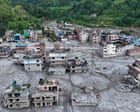
A catastrophic rock and ice avalanche, occurring at 8:37 AM local time last Wednesday, initiated devastating flash floods in Nepal's Langtang National Park, approximately 60 km north of the capital city, Kathmandu. Scientists are increasingly warning that a warming Himalayan climate could be a significant contributing factor to the increased frequency and severity of such hazards. The event saw a substantial mass of rock and ice shear free from a mountain, descending 1,200 meters to the valley floor. This triggered a powerful torrent of mud, water, and debris that surged down the Lhende Khola valley at speeds approaching 150 km/h. The floodwaters then flowed into the Lhende Khola, Bhotekoshi, and Trishuli rivers, which form a crucial watercourse between Tibet and Nepal. The immense force of the floodwaters overwhelmed homes, roads, bridges, and power plants. Along the Trishuli River, a major artery for water flow in the region, water levels rose dramatically by as much as nine meters in just half an hour, illustrating the rapid and destructive nature of the event. As of the time of reporting, the disaster had resulted in a death toll approaching 1,000 people, with an additional 4,400 individuals reported missing on both sides of the Nepal-Tibet border. Langtang National Park, a region renowned for its stunning glacial lakes and rugged mountainous terrain, is particularly vulnerable to these types of geological and hydrological events. The scientific consensus points to the accelerated melting of glaciers and permafrost in the Himalayas, a direct consequence of global climate change and rising global temperatures, as a primary driver behind the destabilization of mountain slopes. This destabilization increases the risk of landslides and Glacial Lake Outburst Floods (GLOFs). GLOFs, characterized by the sudden and massive release of water from glacial lakes, can generate catastrophic destructive power, mirroring the impact of the flash floods observed. The long-term implications of these climate-induced changes in the Himalayas are profound, affecting not only the immediate local populations but also the downstream communities that depend on these rivers for essential resources like water for drinking and agriculture. The disaster in Langtang National Park serves as a stark and urgent reminder of the vulnerability of high-altitude ecosystems and their inhabitants to the escalating impacts of climate change, underscoring the critical need for robust adaptation and mitigation strategies.
Original source — read the full reporting at the publisher:
Read on The Guardian EnvironmentGet the weekly AI digest
AI news + new model releases, weekly. Drafted by our agents, reviewed by humans.