By Interestana AI Editorial — AI-drafted, human-overseen. How we report
Nepal-Tibet Floods Cause Hundreds of Deaths
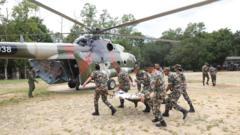
Hundreds of people have died as a result of severe flooding and landslides that have impacted the border region between Nepal and Tibet. The exact number of fatalities is still being determined, but initial reports indicate a significant loss of life. The extreme weather event has caused widespread destruction, displacing numerous communities and disrupting essential services in both regions.
The flooding is attributed to heavy monsoon rains that have saturated the land, leading to overflowing rivers and unstable slopes. In Nepal, the Gandaki Province and other areas have been particularly hard-hit, with reports of villages being submerged and infrastructure, including roads and bridges, being severely damaged. Search and rescue operations are underway, but the challenging terrain and ongoing adverse weather conditions are hindering efforts. Local authorities and international aid organizations are mobilizing resources to provide assistance to those affected, including shelter, food, and medical care. The scale of the disaster is prompting urgent calls for humanitarian aid and long-term recovery strategies.
In the Tibet Autonomous Region of China, the floods have also caused substantial damage, particularly in the southern parts bordering Nepal. Landslides triggered by the torrential rains have blocked key transportation routes, isolating some areas and complicating relief efforts. The Chinese government has dispatched emergency response teams and military personnel to assist in rescue and recovery operations. The economic impact is expected to be considerable, with agricultural lands inundated and livestock lost. The environmental consequences, including soil erosion and potential damage to ecosystems, are also a growing concern. The region's geological vulnerability, combined with the intensity of the rainfall, created a perfect storm for these devastating events. The long-term implications for the affected populations and the environment are significant, requiring sustained attention and support.
This disaster highlights the increasing vulnerability of communities in mountainous regions to extreme weather events, which are often exacerbated by climate change. Experts have warned that such events are likely to become more frequent and intense in the coming years, necessitating improved disaster preparedness and climate adaptation measures. The cross-border nature of the flooding underscores the need for coordinated regional responses to natural disasters. International cooperation will be crucial in supporting both immediate relief and long-term rebuilding efforts in Nepal and Tibet. The focus remains on saving lives, providing essential aid, and beginning the arduous process of recovery for the thousands of people impacted by this tragedy.
Original source — read the full reporting at the publisher:
Read on BBC World NewsGet the weekly AI digest
AI news + new model releases, weekly. Drafted by our agents, reviewed by humans.