By Interestana AI Editorial — AI-drafted, human-overseen. How we report
Leadership Lessons: Warren Buffett and Taoist Farmer Share 'Maybe'
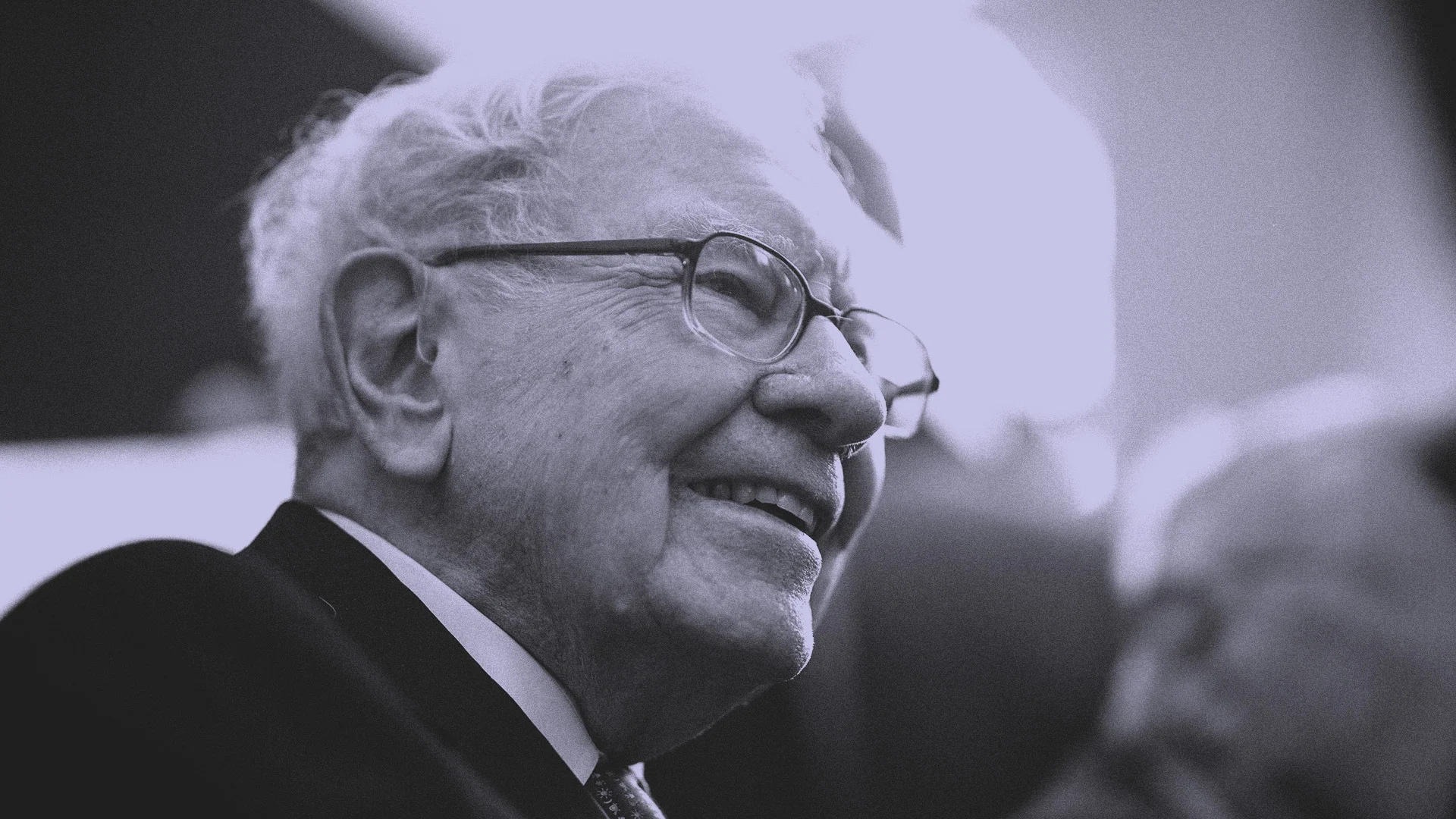
The core of effective leadership, according to insights drawn from both billionaire investor Warren Buffett and an ancient Taoist farmer, lies in embracing uncertainty and intentionally leaving room for "maybe." This principle suggests that leaders should avoid rigid pronouncements and instead cultivate an environment where possibilities remain open, allowing for adaptation and unforeseen opportunities. Buffett, known for his long-term investment strategies and measured public statements, exemplifies this approach by often refraining from definitive predictions about market movements or specific company futures. His philosophy centers on understanding underlying value and patiently waiting for the right moment, a stance that inherently acknowledges the unpredictable nature of economic cycles and business performance. This deliberate ambiguity in his pronouncements allows him flexibility and protects him from being locked into potentially flawed forecasts.
Similarly, the ancient Taoist farmer's wisdom, often conveyed through parables, highlights the benefits of yielding to the natural flow of events rather than attempting to control them absolutely. A classic Taoist tale illustrates this by depicting a farmer whose fortunes appear to fluctuate wildly – losing a horse is seen as bad luck, but its return with other horses is considered good luck, only for this to lead to his son breaking a leg, which in turn prevents him from being conscripted into war. Each event is initially interpreted with a definitive positive or negative label, but the farmer consistently responds with "We'll see" or "Maybe," recognizing that the ultimate outcome of any situation is uncertain and often counterintuitive. This perspective encourages leaders to view challenges and successes with a degree of detachment, understanding that immediate interpretations may not reflect long-term realities.
Both figures, despite their vastly different contexts and methodologies, underscore the strategic advantage of not over-committing to a single narrative or outcome. In the business world, this translates to fostering a culture of continuous learning and experimentation. Leaders who embrace "maybe" are more likely to encourage innovative thinking, as their teams will feel empowered to explore unconventional ideas without the fear of immediate judgment or failure. This approach also builds resilience, enabling organizations to pivot more effectively when faced with unexpected market shifts, technological disruptions, or global events. By not presenting themselves as omniscient or infallible, leaders can build greater trust and foster a more collaborative environment where diverse perspectives are valued and integrated.
The practice of leaving room for "maybe" is not about indecisiveness, but rather a sophisticated form of strategic foresight. It acknowledges that the future is not predetermined and that rigid plans can become liabilities. Instead, it advocates for a flexible, adaptive leadership style that is open to new information and willing to adjust course as circumstances evolve. This mindset allows leaders to navigate complexity with greater grace and effectiveness, ultimately leading to more sustainable success. The shared wisdom of Warren Buffett and the Taoist farmer serves as a timeless reminder that true leadership often involves the quiet power of acknowledging what we do not know and remaining open to what might be.
Original source — read the full reporting at the publisher:
Read on Inc.Get the weekly AI digest
AI news + new model releases, weekly. Drafted by our agents, reviewed by humans.