By Interestana AI Editorial — AI-drafted, human-overseen. How we report
Trump's AI-Generated Images Highlight Virtual Self-Aggrandizement Dangers
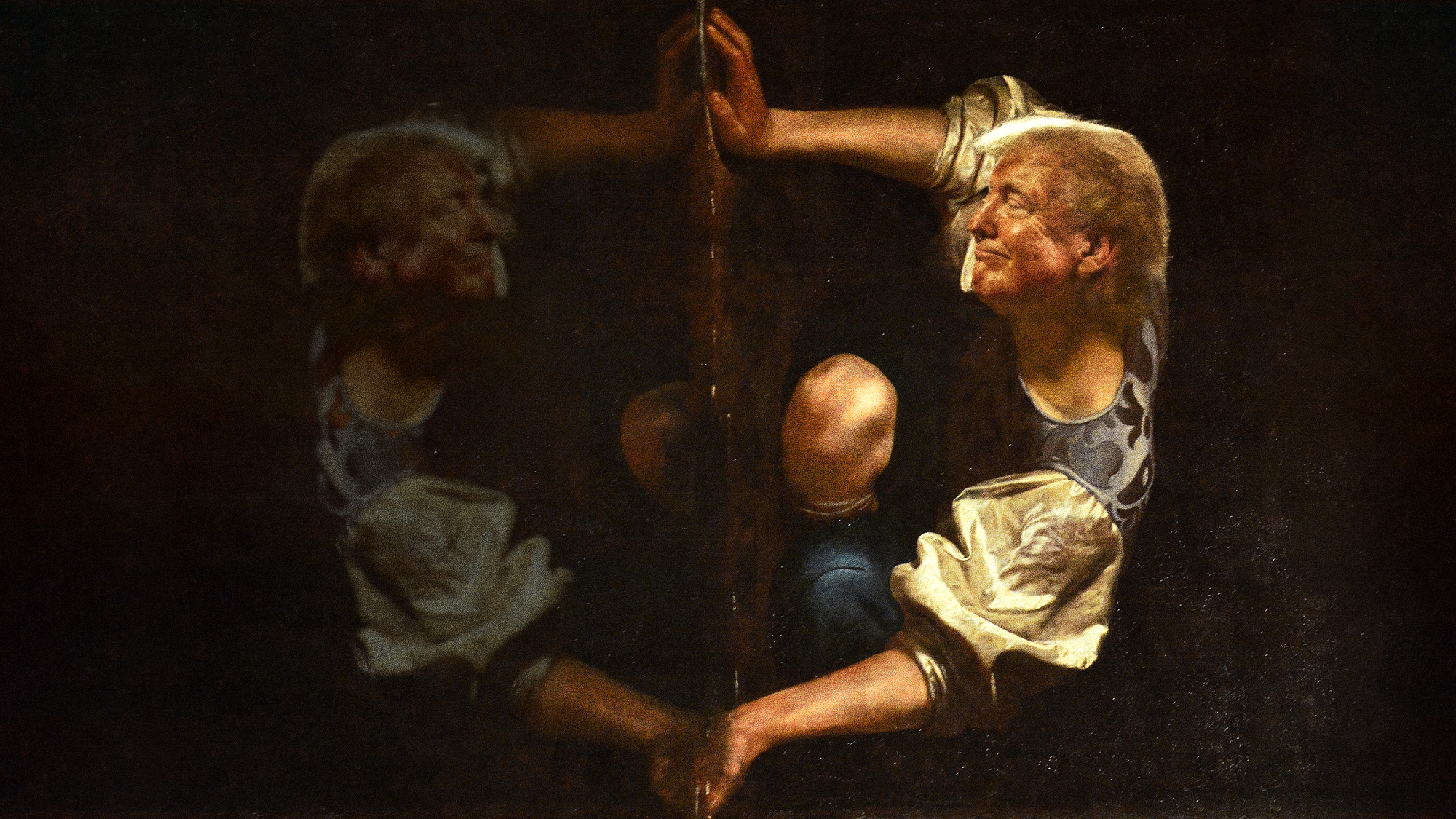
Former President Donald Trump's recent proliferation of AI-generated images on his Truth Social platform serves as a stark illustration of the escalating dangers associated with virtual self-aggrandizement and the potential for widespread misinformation. These posts, which depicted Trump in various fabricated scenarios, including interactions with law enforcement and public figures, highlight how readily artificial intelligence can be employed to create convincing yet entirely false visual narratives. The ease with which these images were produced and disseminated raises significant concerns about the future of digital authenticity and the public's ability to discern reality from fabrication.
The phenomenon underscores a broader trend where individuals, particularly those in the public eye, can leverage AI tools to craft idealized or strategically misleading digital personas. This capability extends beyond mere image manipulation to the creation of deepfake videos and synthesized audio, further blurring the lines between genuine and artificial content. The implications are far-reaching, impacting not only political discourse but also personal reputations, celebrity culture, and the very fabric of trust in online information. The ability to generate persuasive visual content on demand presents a powerful new avenue for propaganda, personal branding, and potentially malicious deception.
Trump's specific use of these AI-generated images on Truth Social, a platform he founded, amplifies the issue by demonstrating how these tools can be integrated into a personal communication ecosystem. The images, which often portrayed him in heroic or triumphant contexts, were designed to resonate with his supporters and reinforce a particular narrative. However, their artificial nature means they represent a form of self-aggrandizement that is detached from factual reality, relying instead on fabricated visual evidence to bolster an image. This practice raises ethical questions about the responsible use of AI and the potential for it to be exploited for personal or political gain without regard for truth.
The underlying AI technologies enabling such creations are becoming increasingly sophisticated and accessible. Generative adversarial networks (GANs) and diffusion models, for instance, are at the forefront of this wave, allowing for the creation of highly realistic images from text prompts or existing data. As these tools become more democratized, the capacity for individuals to generate their own virtual realities and present them as authentic increases exponentially. This democratization, while offering creative possibilities, also necessitates a critical examination of digital literacy and the development of robust methods for detecting AI-generated content. The challenge lies in equipping the public with the skills to critically evaluate the media they consume and in developing technological safeguards against the misuse of AI for deceptive purposes. The situation with Trump's posts serves as an early warning sign of the complex societal challenges that lie ahead as AI continues to evolve.
Original source — read the full reporting at the publisher:
Read on The AtlanticGet the weekly AI digest
AI news + new model releases, weekly. Drafted by our agents, reviewed by humans.