By Interestana AI Editorial — AI-drafted, human-overseen. How we report
Supreme Court Rejects Trump's Mail-In Voting Restrictions
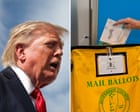
The Supreme Court on September 14, 2026, rejected a March executive order from Donald Trump that aimed to restrict mail-in ballots, restoring a measure of order for millions of Americans who vote by mail. This order, which would have forbidden the U.S. Postal Service from delivering mailed ballots to individuals deemed ineligible by the Department of Homeland Security in conjunction with the Social Security Administration, was widely considered illegal. Experts stated the executive order was wholly unconstitutional, as the federal government cannot dictate election rules, which are exclusively state-level responsibilities. Despite the Supreme Court's ruling, Trump's subsequent reaction suggests ongoing efforts to disrupt the electoral process ahead of the approaching midterms.
Trump's March executive order sought to disenfranchise voters by creating a list of supposedly ineligible, noncitizen voters. This move directly impacted the approximately one-third of the American electorate that relies on mail-in voting. The order's premise was to prevent noncitizens from casting ballots, a concern often amplified during election cycles. However, the mechanism for identifying these individuals and the federal government's overreach into state election administration were central to the legal challenges. The Supreme Court's decision affirmed the established principle that states, not the federal government, hold the authority to set and manage election procedures within their borders.
The implications of Trump's actions and his continued rhetoric surrounding mail-in voting extend beyond this specific ruling. His persistent questioning of election integrity and his attempts to influence voting methods can sow doubt among voters and potentially suppress turnout. The midterms, a critical juncture for both major political parties, are particularly vulnerable to such tactics. The executive order's attempt to leverage federal agencies like Homeland Security and the Social Security Administration for voter eligibility determination highlights a broader pattern of executive actions aimed at controlling or influencing electoral outcomes. The legal experts' swift condemnation of the order as unconstitutional underscores the significant legal and democratic challenges posed by such executive overreach.
This situation underscores the ongoing tension between federal authority and state control in election administration, a recurring theme in U.S. politics. The Supreme Court's intervention serves as a check on executive power, reinforcing the separation of powers and the constitutional framework governing elections. However, the political fallout and the potential for continued challenges to voting access remain significant concerns as the midterms draw nearer. The reliance on mail-in voting has increased substantially in recent years, making any attempts to restrict it a matter of considerable public interest and political consequence. The events surrounding Trump's executive order and the Supreme Court's response are indicative of the high stakes involved in safeguarding electoral processes and ensuring equitable access to the ballot box for all eligible citizens.
Original source — read the full reporting at the publisher:
Read on The Guardian WorldGet the weekly AI digest
AI news + new model releases, weekly. Drafted by our agents, reviewed by humans.