By Interestana AI Editorial — AI-drafted, human-overseen. How we report
Trump's Conflicted Relationship With Modern Media
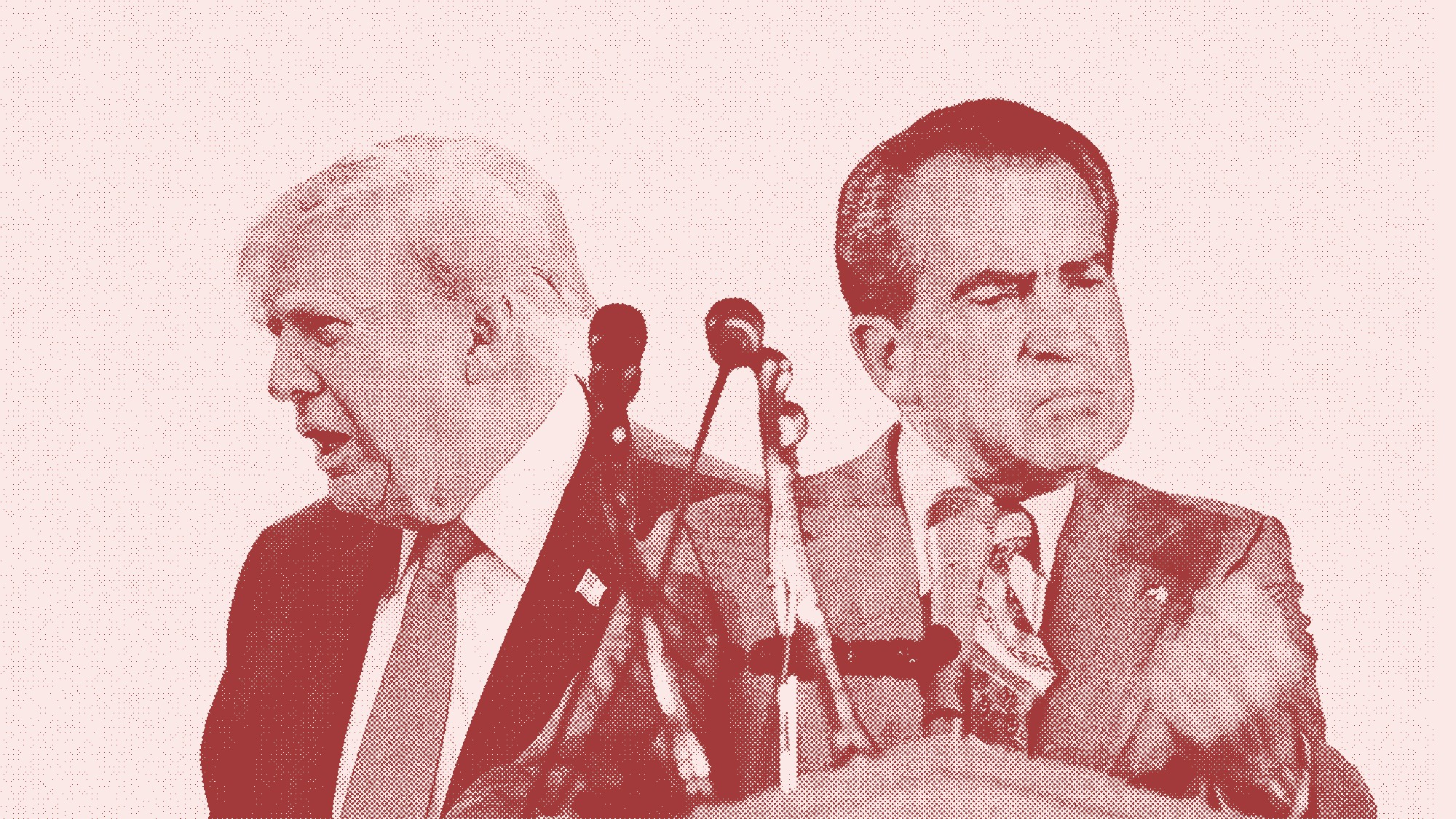
Donald Trump's approach to modern media is characterized by a fundamental misunderstanding of its evolving landscape and his own complex relationship with its institutions. He simultaneously seeks to undermine the credibility of news organizations, labeling them as "fake news" and "enemies of the people," while also actively engaging with and benefiting from their coverage. This duality suggests a strategic, albeit inconsistent, approach to shaping public perception and maintaining political relevance.
Historically, political figures have relied on traditional media outlets to disseminate their messages and reach a broad audience. However, the advent of digital platforms and social media has fragmented the media ecosystem, allowing politicians to bypass traditional gatekeepers and communicate directly with their supporters. Trump has masterfully utilized platforms like Twitter (now X) to amplify his voice, set the news agenda, and rally his base, often circumventing critical journalistic scrutiny. Yet, despite this direct access, he continues to engage with and depend on established news organizations for broader reach and legitimacy, creating a paradoxical dynamic.
This complex relationship is further evidenced by Trump's frequent appearances on news programs and his consistent presence in news cycles, even when the coverage is critical. He appears to understand the power of media attention, recognizing that even negative coverage keeps him in the public eye. This strategy allows him to frame narratives and dominate conversations, often overshadowing policy discussions with personal attacks or sensationalist claims. The constant media attention, regardless of its nature, serves to reinforce his brand and maintain his political standing among his supporters.
However, Trump's consistent attacks on the press also risk alienating segments of the electorate who rely on journalistic integrity for information. By fostering an environment of distrust towards established news sources, he may inadvertently create a vacuum that can be filled by misinformation and disinformation. This creates a challenging environment for voters attempting to discern factual reporting from partisan rhetoric. The long-term consequences of this erosion of trust in journalistic institutions remain a significant concern for the health of democratic discourse and informed public opinion.
Original source — read the full reporting at the publisher:
Read on The AtlanticGet the weekly AI digest
AI news + new model releases, weekly. Drafted by our agents, reviewed by humans.