By Interestana AI Editorial — AI-drafted, human-overseen. How we report
Trump Misunderstands Xi's Focus on Personal Rapport
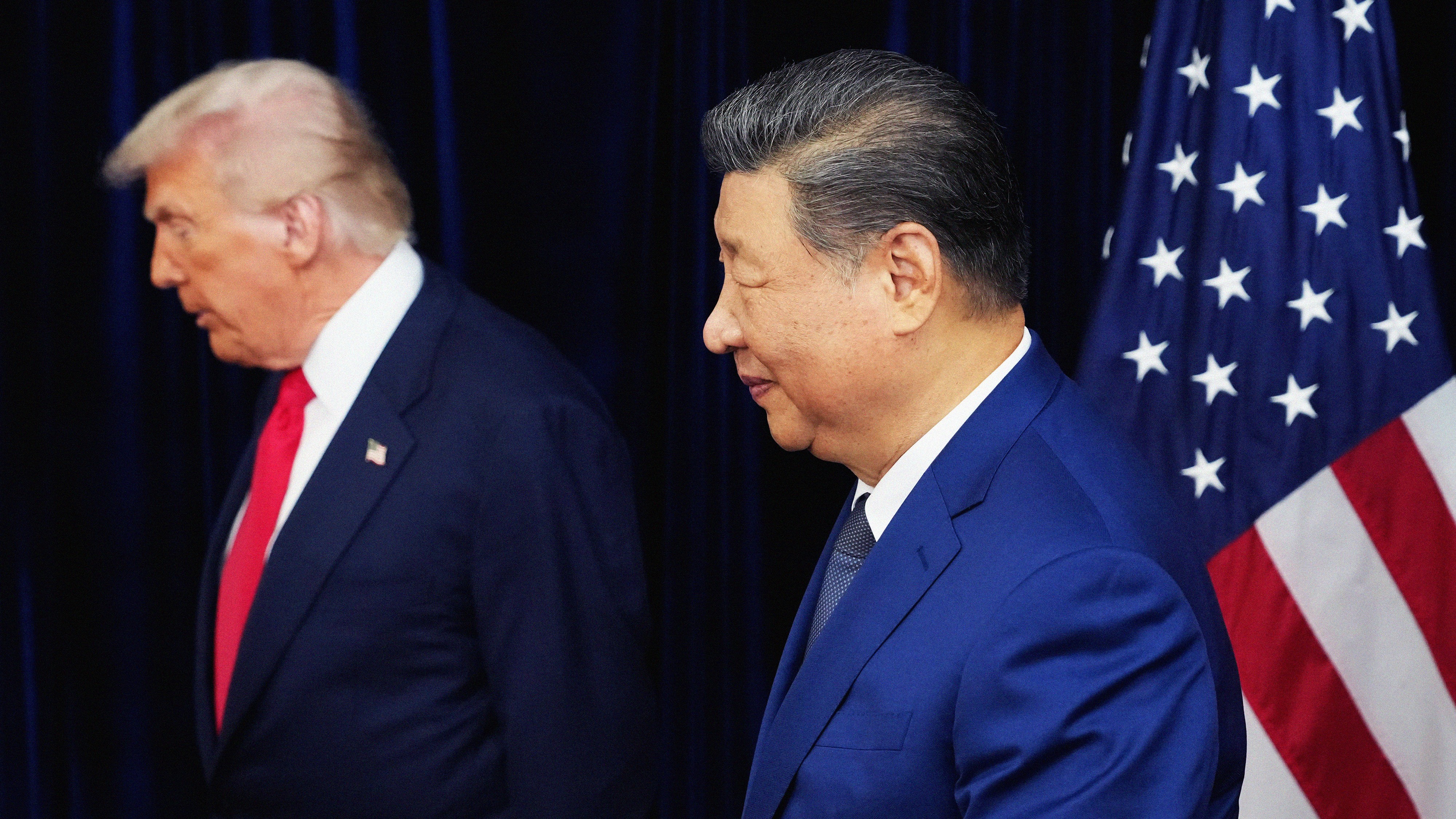
Donald Trump's approach to foreign policy, particularly his belief that personal rapport with leaders like Chinese President Xi Jinping can sway decisions, fundamentally misunderstands the priorities of the Chinese Communist Party (CCP) under Xi's leadership. Trump has frequently emphasized his personal relationships with foreign leaders, including Xi, suggesting that these connections were instrumental in his policy decisions and negotiations. For instance, during his presidency, Trump often spoke of his "good relationship" with Xi and how he believed this personal connection allowed him to achieve favorable outcomes for the United States. He has publicly stated that he believes Xi respects him and that this mutual respect facilitated their interactions. This perspective, however, overlooks the deeply ingrained, long-term strategic objectives that guide Beijing's foreign policy. The CCP's decision-making apparatus is characterized by a strong emphasis on national interest, economic growth, and geopolitical influence, all pursued through meticulously planned, often decades-long strategies. Personal relationships, while potentially useful for facilitating communication, are secondary to these overarching goals. Xi Jinping, as the paramount leader, operates within this framework, prioritizing the consolidation of power, the advancement of China's global standing, and the maintenance of domestic stability above all else. His interactions with foreign leaders are carefully calibrated to serve these objectives, rather than being driven by personal sentiment or a desire for individual camaraderie. The CCP's foreign policy is a product of collective decision-making, influenced by extensive bureaucratic processes, intelligence assessments, and ideological considerations, all aimed at advancing China's national rejuvenation. Trump's focus on personal chemistry, therefore, represents a significant divergence from how the Chinese leadership, and Xi in particular, perceives and conducts international relations. This difference in understanding can lead to miscalculations in diplomatic engagements, as it places undue emphasis on individual relationships rather than the systemic and strategic factors that truly drive policy. The CCP's approach is rooted in a historical context and a strategic vision that transcends individual personalities, focusing instead on the enduring power and influence of the Chinese state. Consequently, any perceived personal warmth or rapport between leaders is, from the CCP's perspective, a tool to be managed within a broader strategic framework, not an end in itself. This strategic calculus means that China's actions on the global stage are driven by a consistent set of national interests and long-term goals, irrespective of the personal relationships its leaders may cultivate.
Original source — read the full reporting at the publisher:
Read on The AtlanticGet the weekly AI digest
AI news + new model releases, weekly. Drafted by our agents, reviewed by humans.