By Interestana AI Editorial — AI-drafted, human-overseen. How we report
Moroccan Migrants Surge Into Ceuta, Dozens Perish
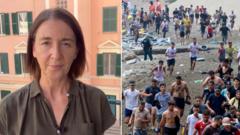
An estimated 60,000 migrants, primarily from Morocco, have crossed into the Spanish enclave of Ceuta, a North African territory bordering the Mediterranean Sea. This significant influx has resulted in dozens of deaths during the arduous and dangerous journey. The crossings represent a substantial increase in migrant activity towards the European Union, highlighting ongoing challenges related to migration routes and border security. Ceuta, along with the Spanish enclave of Melilla, serves as a primary land border between the EU and Africa, making it a focal point for irregular migration. The journey often involves navigating treacherous terrain, dangerous sea crossings, and encounters with organized criminal networks involved in human trafficking. The scale of this particular surge suggests a confluence of factors driving individuals to undertake such extreme risks. These factors can include economic hardship, political instability, and conflict in their countries of origin, coupled with the perceived opportunities and safety offered by European nations. The Spanish government, in coordination with Moroccan authorities, typically works to manage and control these border crossings. However, the sheer volume of individuals attempting to enter can overwhelm existing resources and protocols. The deaths reported underscore the humanitarian crisis often associated with mass migration events, where vulnerable populations face life-threatening conditions in pursuit of a better life. The situation in Ceuta is a recurring issue, but the reported numbers indicate a particularly intense period of activity. International organizations and human rights groups often monitor such events to advocate for the rights and safety of migrants and asylum seekers. The long-term implications of such large-scale movements include strain on social services, integration challenges, and political debates surrounding immigration policies in both the originating countries and destination countries. The specific triggers for this surge, beyond the general push and pull factors of migration, would likely involve recent developments in Morocco or neighboring regions that may have intensified the desire or necessity for individuals to leave their homes. These could range from economic downturns to increased security concerns or changes in border enforcement policies elsewhere. The ongoing nature of migration flows means that such events are often part of a larger, complex global phenomenon driven by a multitude of socio-economic and political forces. The reported deaths are a stark reminder of the human cost involved in these journeys and the critical need for safe and legal pathways for migration, as well as effective humanitarian assistance for those displaced.
Original source — read the full reporting at the publisher:
Read on BBC World NewsGet the weekly AI digest
AI news + new model releases, weekly. Drafted by our agents, reviewed by humans.