1876 Ode Offers Lesson for America's 250th
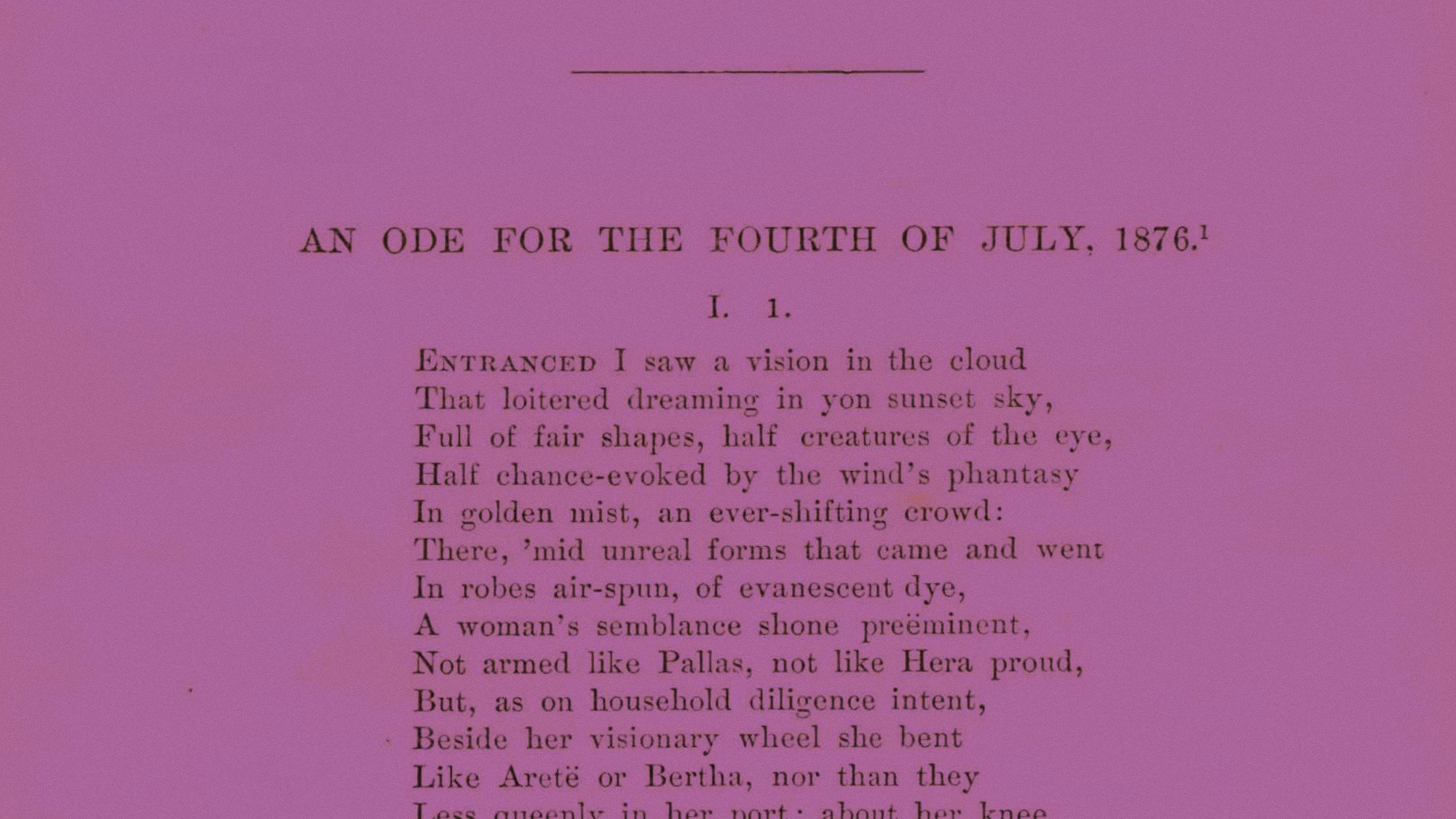
An unfinished ode penned by Walt Whitman in 1876, discovered recently, offers a reflective perspective on the ideals of American independence, particularly relevant as the nation approaches its 250th anniversary in 2026. The manuscript, titled "The Fourth of July," was found among Whitman's papers and provides a contemplative, rather than purely celebratory, view of the holiday.
Whitman's unfinished work delves into the complexities of American identity and the ongoing struggle to live up to the nation's founding principles. It suggests that the true meaning of the Fourth of July lies not just in commemorating the past but in actively engaging with the present challenges and aspirations of the country. The ode's tone is one of introspection, urging a deeper understanding of liberty and equality.
Scholars examining the manuscript note that its discovery provides a valuable historical insight into Whitman's thoughts during a significant period in American history, the centennial year. The unfinished nature of the ode itself may symbolize the continuous, evolving nature of the American experiment. The text prompts a re-evaluation of what patriotism entails beyond mere observance.
The ode's themes resonate with contemporary discussions about national identity and the pursuit of a more perfect union. It encourages a focus on the ongoing work required to uphold the ideals of freedom and justice for all citizens, making its message particularly pertinent for the upcoming 250th-anniversary celebrations.
Original source — read the full reporting at the publisher:
Read on The Atlantic