By Interestana AI Editorial — AI-drafted, human-overseen. How we report
Luxury Redefined: Craftsmanship, Sustainability, and Experience Drive New Consumer Values
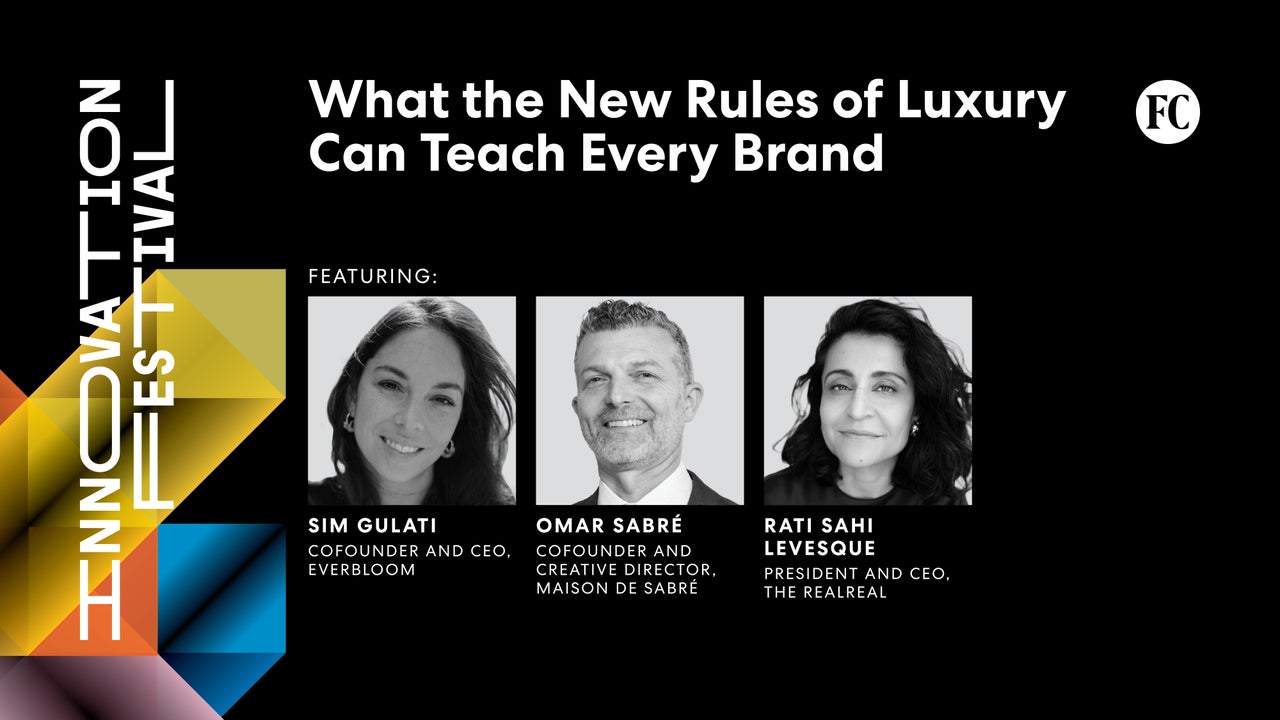
The very definition of luxury is undergoing a profound transformation, moving away from overt displays of wealth and conspicuous consumption towards a more discerning and skeptical consumer base. As individuals become increasingly aware of and critical towards excess, the concept of true value in luxury goods and services is being fundamentally rewritten. Today, what resonates most deeply with consumers are qualities that are inherently difficult to manufacture or replicate: meticulous craftsmanship, a genuine and radical commitment to sustainability, and the creation of unique, transformative experiences that elevate everyday objects into highly coveted possessions.
This paradigm shift is manifesting across various sectors of the luxury market. In fashion, for instance, the preowned market is experiencing a significant resurgence. Brands are actively participating in giving pre-owned items a new life, appealing to a growing segment of consumers who value both the environmental benefits of circularity and the unique provenance of vintage or previously owned pieces. This trend challenges the traditional linear model of production and consumption, demonstrating that luxury can be found in the enduring quality and history of an item. Beyond fashion, the culinary arts are witnessing a similar elevation, with humble ingredients being transformed into high-design rituals and sophisticated gastronomic experiences. This highlights that luxury is no longer solely about the inherent cost of raw materials but rather about the artistry, thoughtfulness, and execution involved in their presentation and consumption.
Furthermore, the materials themselves that luxury products are made from are under intense scrutiny and re-evaluation. There is a growing demand for ethically sourced, innovative, and sustainable alternatives to traditional luxury materials. Brands are investing in research and development to find materials that not only meet high aesthetic and performance standards but also minimize environmental impact and promote social responsibility throughout the supply chain. This focus on material integrity and provenance underscores a deeper consumer desire for transparency and authenticity.
The leaders at the forefront of these changes are not merely adapting to new consumer demands; they are actively shaping the future trajectory of consumer culture. By prioritizing these intrinsic values, they are revealing where the broader market is headed. What luxury consumers begin to demand often sets the benchmark for what the rest of the market will eventually expect. This indicates a significant societal movement towards valuing authenticity, ethical production, and meaningful experiences over superficial opulence. Brands that successfully embrace and integrate these new principles of luxury are poised to foster deeper customer loyalty, achieve greater relevance, and thrive in an increasingly conscious consumer landscape.
Original source — read the full reporting at the publisher:
Read on Fast CompanyGet the weekly AI digest
AI news + new model releases, weekly. Drafted by our agents, reviewed by humans.