By Interestana AI Editorial — AI-drafted, human-overseen. How we report
Kennedy Center Tax Return Shows Post-Trump Financial State
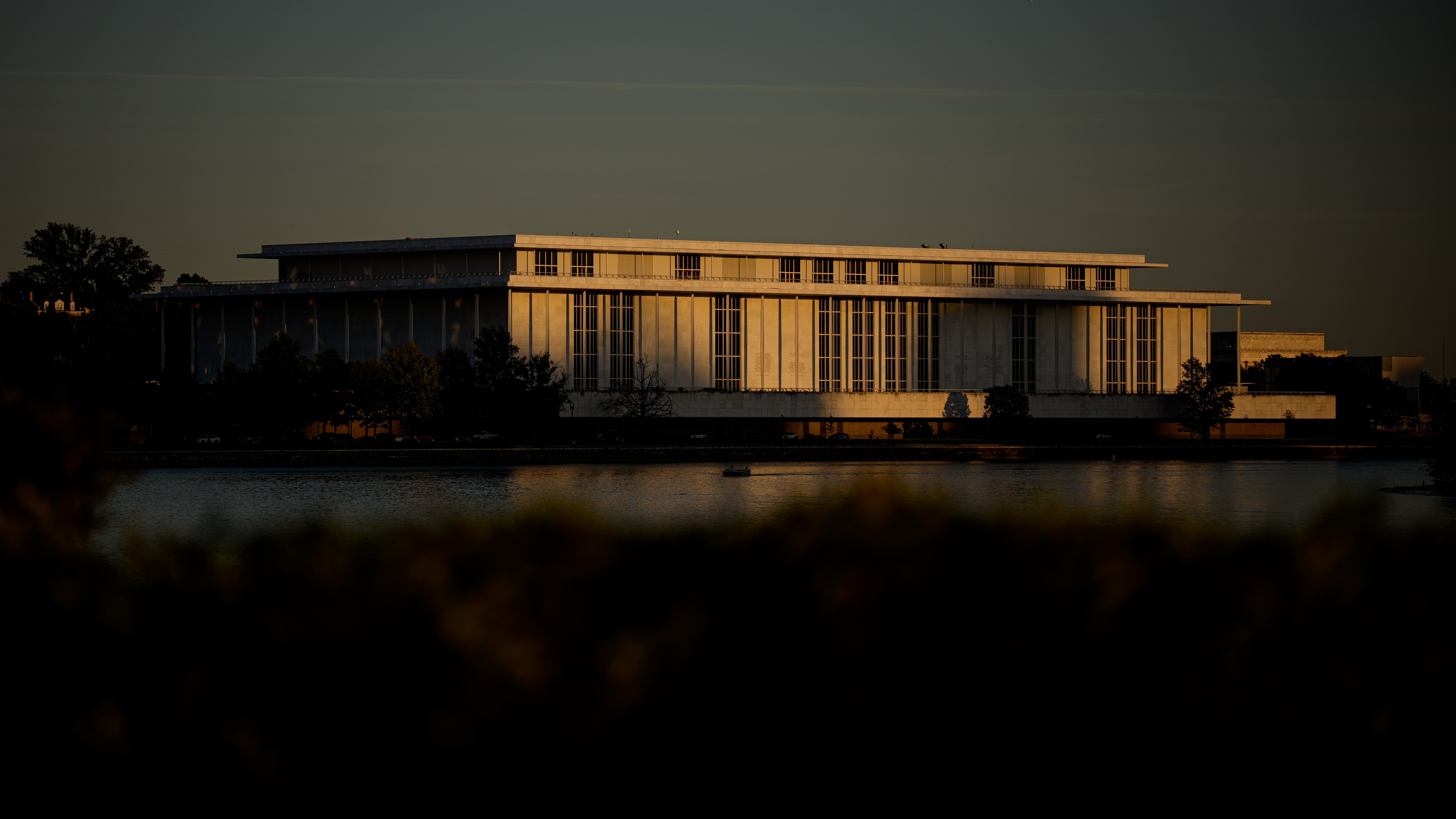
A previously unreleased tax return filing from the John F. Kennedy Center for the Performing Arts provides a detailed financial overview of the institution seven months into Donald Trump's tenure as chairman. This filing, submitted for the fiscal year ending June 30, 2017, offers a specific look at the organization's financial health and operational status during a period of significant leadership transition. The document reveals that the Kennedy Center's total revenue for the fiscal year reached $220.4 million, a figure that includes a substantial $77.2 million in federal appropriations. This federal funding represents a critical component of the Center's operational budget, underscoring its role as a federally supported cultural institution. In addition to federal support, the Center generated $143.2 million from other sources, such as ticket sales, private donations, and endowment income. These diverse revenue streams highlight the organization's reliance on both public and private funding to sustain its operations and programming. Expenses for the fiscal year totaled $215.9 million. A significant portion of these expenses, $104.9 million, was allocated to program expenses, which encompass the costs associated with producing and presenting performances, exhibitions, and educational activities. The remaining $111 million covered administrative and general operating costs, including salaries, facility maintenance, and marketing efforts. The filing indicates that the Kennedy Center ended the fiscal year with a net surplus of $4.5 million. This surplus suggests a period of financial stability and effective management, allowing the institution to reinvest in its mission and future endeavors. The tax return also details the compensation of key personnel. The President and CEO, Deborah F. Rutter, received a total compensation package of $669,142. Other highly compensated employees included the Chief Financial Officer, who earned $353,469, and the Chief Artistic Officer, with a compensation of $346,585. These figures provide transparency regarding the financial commitments made to the institution's leadership. The Kennedy Center, established by Congress in 1958, is the nation's busiest performing arts center, hosting a wide array of theater, dance, music, and opera performances. Its mission is to preserve and present the best in American performing arts for the enrichment of diverse audiences, to engage the public in lifelong learning, and to create and sustain a national culture of artistic excellence. The period covered by this tax return is particularly noteworthy due to the appointment of Donald Trump as chairman of the President's Committee on the Arts and the Humanities in January 2017, a role that often involves significant engagement with cultural institutions like the Kennedy Center. While Trump's chairmanship of the President's Committee on the Arts and the Humanities concluded in August 2017, his influence and the broader political climate of the time likely shaped the operational context for the Kennedy Center during this fiscal year. This tax return, therefore, serves as a concrete financial document reflecting the state of the institution during a pivotal moment in its recent history, offering verifiable data on its revenue, expenses, and financial performance under new leadership influences.
Original source — read the full reporting at the publisher:
Read on The AtlanticGet the weekly AI digest
AI news + new model releases, weekly. Drafted by our agents, reviewed by humans.