By Interestana AI Editorial — AI-drafted, human-overseen. How we report
AI Pioneer Urges Pharmaceutical Drug Analogy for Chatbots
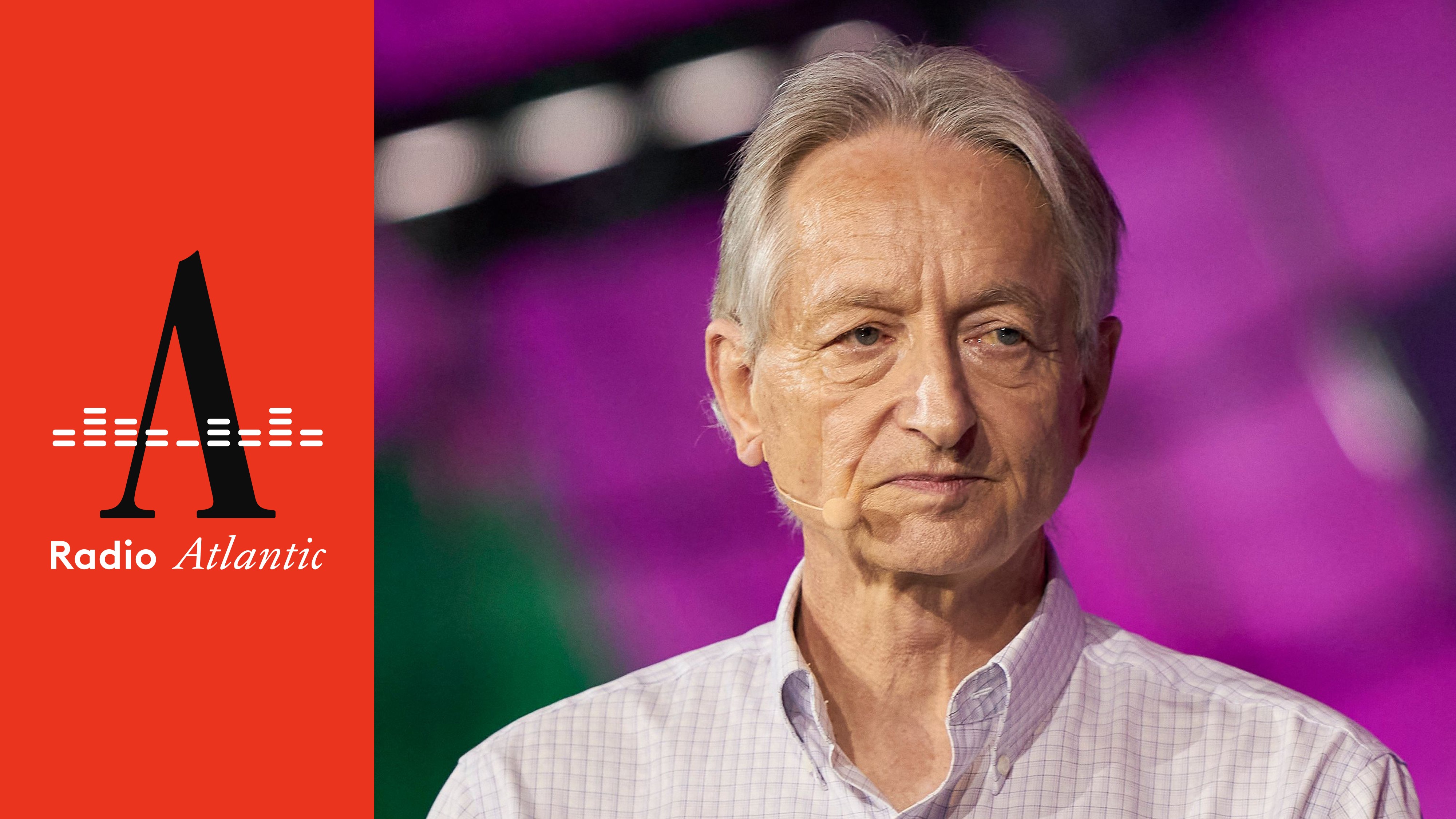
Geoffrey Hinton, often referred to as the 'Godfather of AI,' has proposed a novel approach to managing the development and deployment of advanced artificial intelligence, drawing a parallel between sophisticated AI models and pharmaceutical drugs. Hinton, who co-founded Google Brain and significantly contributed to deep learning, suggests that society should approach the creation and release of powerful AI systems with a level of caution and regulatory oversight akin to that applied to new medications. This perspective, detailed in his recent commentary, emphasizes the potential for profound societal impact, both positive and negative, that advanced AI could wield, mirroring the dual nature of potent drugs which can heal but also cause harm if misused or poorly regulated.
Hinton's analogy implies a need for rigorous testing, transparent development processes, and stringent safety protocols before advanced AI systems are widely deployed. Just as pharmaceutical drugs undergo extensive clinical trials to assess efficacy and side effects, Hinton suggests AI models should be subjected to comprehensive evaluations to understand their capabilities, limitations, and potential risks. This includes identifying and mitigating biases, ensuring robustness against manipulation, and understanding emergent behaviors that might not be predictable during initial development. The comparison highlights the critical importance of a controlled rollout, with continuous monitoring and adaptation based on real-world performance and observed consequences.
Furthermore, the pharmaceutical drug model suggests a framework for ongoing management and accountability. Pharmaceutical companies are held responsible for the safety and efficacy of their products, with regulatory bodies like the Food and Drug Administration (FDA) in the United States overseeing their lifecycle. Hinton's proposal hints at a similar need for dedicated AI regulatory agencies or expanded mandates for existing ones to govern AI development and deployment. This would involve establishing clear guidelines for AI safety research, setting standards for AI performance and reliability, and creating mechanisms for reporting and addressing AI-related incidents. The goal, according to Hinton's perspective, is to harness the immense potential benefits of AI while proactively preventing catastrophic outcomes, treating these powerful tools with the respect and caution they warrant.
This call for a pharmaceutical-like approach comes at a time when AI capabilities are advancing at an unprecedented pace, with models demonstrating increasingly sophisticated reasoning, creativity, and problem-solving skills. The rapid progress has sparked widespread debate about the ethical implications, potential job displacement, and existential risks associated with superintelligent AI. Hinton's influential voice adds significant weight to calls for greater caution and proactive governance, urging policymakers, researchers, and the public to consider the long-term societal implications and to implement robust safeguards to ensure AI development remains aligned with human values and well-being. The analogy serves as a powerful reminder that while AI promises transformative advancements, its development must be guided by a deep understanding of its potential impact and a commitment to responsible innovation.
Original source — read the full reporting at the publisher:
Read on The AtlanticGet the weekly AI digest
AI news + new model releases, weekly. Drafted by our agents, reviewed by humans.