By Interestana AI Editorial — AI-drafted, human-overseen. How we report
Sci-Fi's Core Message: Flawed Futures
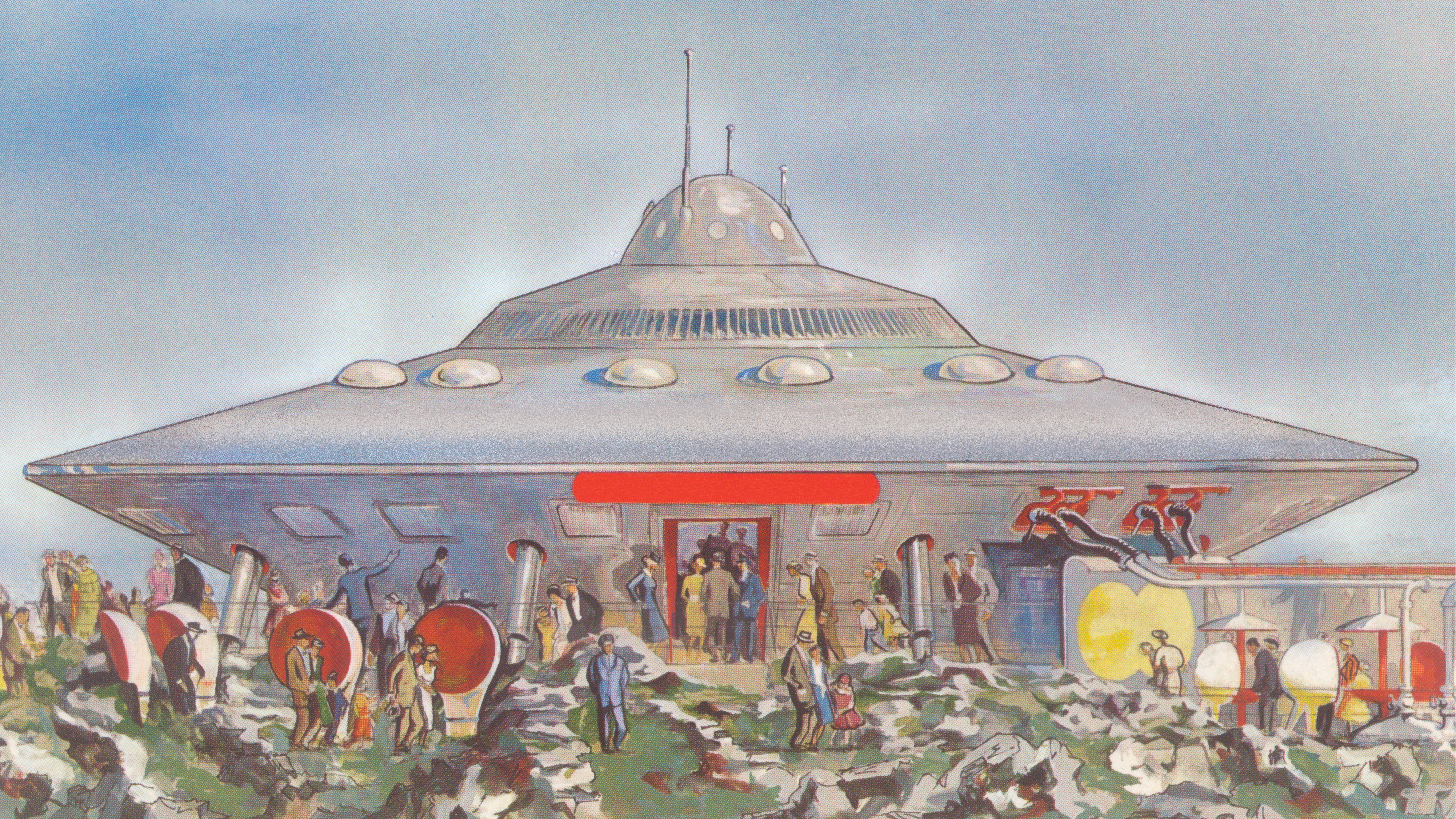
Science fiction frequently serves as a critical lens, exposing the inherent flaws within seemingly perfect future societies, according to an analysis of the genre's recurring themes. Rather than solely celebrating technological progress, many seminal works in science fiction delve into the dystopian undercurrents that can accompany utopian aspirations. These narratives often highlight how advancements, intended to improve human lives, can instead lead to new forms of oppression, alienation, or societal decay. The genre's power lies in its ability to use speculative futures as a mirror to contemporary issues, prompting readers to question the direction of current societal and technological trajectories.
One of the genre's most persistent critiques is directed at the concept of the "perfect" society. Works like Aldous Huxley's "Brave New World" and Yevgeny Zamyatin's "We" depict worlds where happiness and stability are achieved through the suppression of individuality, emotion, and freedom. In these narratives, the absence of suffering is coupled with an absence of genuine human experience, suggesting that true progress cannot come at the cost of fundamental human rights and autonomy. The "techno-utopia," a common trope, is often revealed to be a facade, masking deeper societal inequalities or the dehumanizing effects of unchecked technological control. This critique extends to the idea that technological solutions alone cannot solve complex human problems, which often stem from social, political, or psychological roots.
Furthermore, science fiction often explores the unintended consequences of scientific and technological breakthroughs. The pursuit of knowledge and power, while seemingly noble, can lead to catastrophic outcomes when ethical considerations are sidelined or when the full implications of inventions are not understood. This theme is prevalent in stories dealing with artificial intelligence, genetic engineering, and advanced weaponry, where the creators often lose control of their creations or unleash forces they cannot manage. The genre serves as a cautionary tale, urging caution and foresight in the development and deployment of new technologies, emphasizing the importance of human values and ethical frameworks in guiding innovation. The narratives underscore that technological advancement without corresponding ethical and social development can lead to a future that is technologically advanced but morally bankrupt.
The enduring appeal of science fiction, therefore, lies not in its escapism but in its profound engagement with the human condition and its critical examination of societal progress. By imagining futures that are both wondrous and terrifying, science fiction compels audiences to confront uncomfortable truths about their present and to consider the potential ramifications of their choices. The genre's ability to provoke thought and inspire critical dialogue about the future makes it an invaluable tool for understanding the complex interplay between technology, society, and humanity.
Original source — read the full reporting at the publisher:
Read on The AtlanticGet the weekly AI digest
AI news + new model releases, weekly. Drafted by our agents, reviewed by humans.