By Interestana AI Editorial — AI-drafted, human-overseen. How we report
Key Features of Online Business Payment Platforms
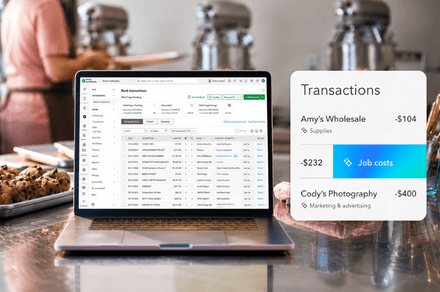
Selecting an online payment platform for a business requires careful consideration of several critical factors to ensure efficient financial operations. Key features to evaluate include transaction fees, which can significantly impact profitability, and the platform's ability to integrate seamlessly with existing business software, such as accounting systems or e-commerce storefronts. For instance, platforms like QuickBooks Payments, Stripe, Square, and PayPal offer varying fee structures and integration options that businesses must compare against their specific needs.
Security is paramount when handling customer payment data. Businesses should look for platforms that employ robust security measures, including encryption, tokenization, and compliance with industry standards like PCI DSS (Payment Card Industry Data Security Standard). This protects both the business and its customers from fraudulent activities and data breaches. The reliability and uptime of the platform are also crucial; a system that frequently experiences downtime can lead to lost sales and customer dissatisfaction.
Customer support is another vital aspect. Businesses need assurance that prompt and effective support is available to resolve any issues that may arise, whether it's a complex integration problem or a simple billing inquiry. The ease of use for both the business and its customers is also a significant consideration. An intuitive interface can streamline the payment process, reducing cart abandonment rates and improving the overall customer experience. Features like recurring billing, invoicing capabilities, and support for various payment methods (credit cards, digital wallets, bank transfers) further enhance a platform's utility.
Ultimately, the best online payment platform will depend on the specific requirements of the business, including its size, industry, transaction volume, and technological infrastructure. A thorough assessment of these elements will guide businesses toward a solution that not only facilitates payments but also contributes to overall growth and operational efficiency. For example, a small e-commerce startup might prioritize low transaction fees and easy integration with platforms like Shopify, while a larger enterprise might focus on advanced fraud detection and customizable API access.
Original source — read the full reporting at the publisher:
Read on Digital TrendsGet the weekly AI digest
AI news + new model releases, weekly. Drafted by our agents, reviewed by humans.