By Interestana AI Editorial — AI-drafted, human-overseen. How we report
Russia's Hybrid Warfare: A Multifaceted Strategy Beyond Conventional Conflict in Europe
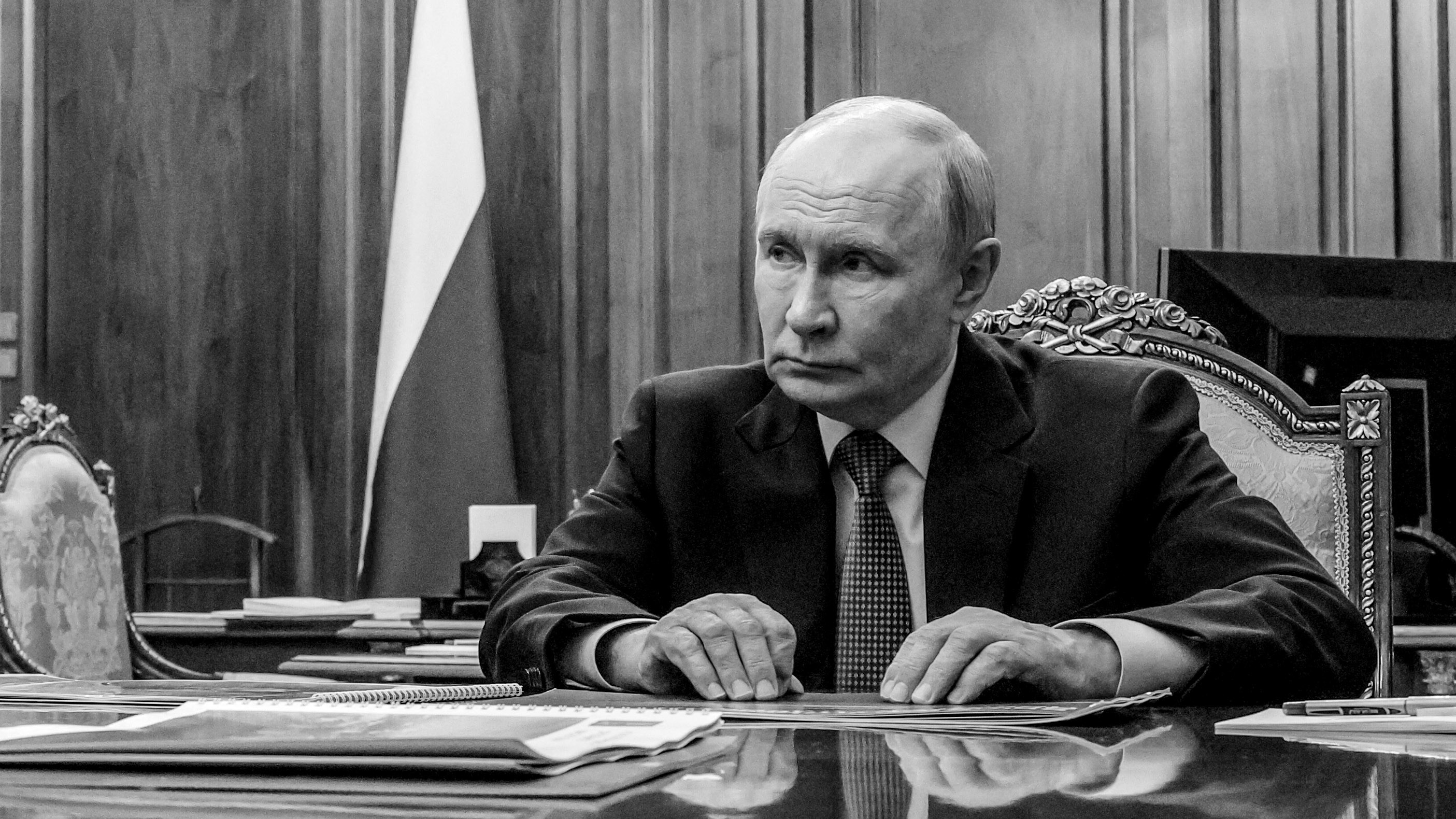
Russia is not pursuing a conventional military conflict in Europe but is instead actively engaged in a sophisticated hybrid warfare campaign. This strategy is characterized by a multifaceted approach that extends far beyond traditional military operations, employing a combination of political, economic, informational, and covert military tactics. The overarching objective is to destabilize adversaries, erode their institutions, and achieve strategic goals without resorting to a full-scale invasion, which would carry significant risks of direct confrontation with NATO.
Key components of Russia's hybrid warfare arsenal include cyberattacks, which target critical infrastructure, government systems, and private companies to disrupt operations and sow chaos. These digital assaults aim to cripple essential services and undermine public confidence. Complementing these are extensive disinformation campaigns, often disseminated through state-controlled media outlets and amplified across social media platforms. These campaigns are meticulously designed to manipulate public opinion, exacerbate societal divisions, and erode trust in democratic processes and institutions. Political interference is another critical element, manifesting through the funding of extremist groups, the support of sympathetic political parties, and the deployment of espionage activities to influence policy decisions in target nations.
The utilization of proxy forces, such as irregular militias or private military companies like the Wagner Group, allows Moscow to project power and exert influence in conflict zones while maintaining a degree of plausible deniability. These forces can engage in combat operations, destabilize regions, and bolster separatist movements, all while ostensibly operating as independent actors. This tactic enables Russia to advance its objectives with a reduced risk of direct military engagement with NATO or other Western alliances, thereby sidestepping the potential for a wider, more destructive conflict.
Furthermore, Russia strategically leverages economic tools as an integral part of its hybrid warfare. This includes manipulating energy supplies, as seen with its historical reliance on natural gas exports to exert pressure on European nations, imposing targeted trade restrictions, and employing financial leverage to coerce neighboring countries. By controlling key resources or markets, Russia can cultivate significant economic dependencies that are then exploited for political gain. The ultimate aim of this comprehensive hybrid approach is to weaken adversaries from within, foster internal divisions, and ultimately reshape the European security landscape to align with Russian interests, all while meticulously avoiding the threshold that would trigger a direct military response and a potentially catastrophic escalation.
Original source — read the full reporting at the publisher:
Read on The AtlanticGet the weekly AI digest
AI news + new model releases, weekly. Drafted by our agents, reviewed by humans.