By Interestana AI Editorial — AI-drafted, human-overseen. How we report
Anti-Vaccine Storytelling Offers Public Health Lessons
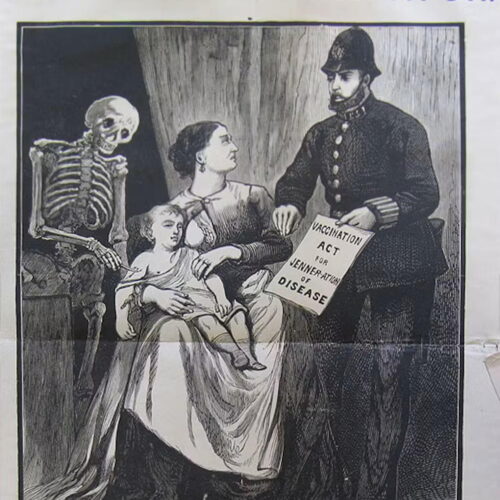
Public health professionals can glean valuable insights from the historical narratives and communication strategies employed by anti-vaccine movements. Resistance to vaccines is not a new phenomenon; it dates back to the 19th century in England, where mandatory smallpox vaccination faced riots and claims of civil rights violations and affronts to bodily integrity. In the United States, organized opposition to vaccines has a long history, with the Anti-Compulsory Vaccination League of Brooklyn being established as early as 1894. Researchers generally categorize individuals who either refuse or delay some or all vaccinations, deviating from standard health professional advice, as vaccine hesitant.
Contemporary vaccine hesitancy is notably linked to movements such as Make America Healthy Again, with figures like Health and Human Services Secretary Robert F. Kennedy Jr. often associated with this stance. The enduring nature of vaccine skepticism highlights the importance of understanding the underlying narratives that fuel it. These narratives often tap into deep-seated anxieties about bodily autonomy, government overreach, and distrust in scientific or medical authorities. By examining the historical evolution of these arguments, public health communicators can identify recurring patterns in how concerns are framed and amplified.
Anti-vaccine storytelling frequently employs emotional appeals, personal anecdotes, and conspiracy theories to resonate with audiences. These narratives often simplify complex scientific information into easily digestible, albeit often inaccurate, stories that evoke fear or suspicion. For instance, historical accounts of vaccine side effects, whether exaggerated or fabricated, have been used to create a sense of danger. The persistence of these storytelling techniques underscores the need for public health messaging to be not only scientifically accurate but also emotionally resonant and accessible. Understanding these persuasive tactics allows for the development of counter-narratives that address public concerns directly and empathetically, rather than dismissing them.
Furthermore, the organizational structures and advocacy methods of anti-vaccine groups offer lessons in community mobilization and message dissemination. These groups often leverage social networks, both online and offline, to build communities of like-minded individuals and amplify their messages. They are adept at framing their cause as a fight for freedom and individual rights, which can be a powerful motivator for adherence. Public health initiatives can learn from this by fostering stronger community engagement, building trust through transparency, and utilizing diverse communication channels to reach a wider audience. The historical and ongoing presence of vaccine hesitancy demonstrates that scientific evidence alone is often insufficient; effective communication requires an understanding of the social, emotional, and narrative dimensions of public perception.
Original source — read the full reporting at the publisher:
Read on Ars TechnicaGet the weekly AI digest
AI news + new model releases, weekly. Drafted by our agents, reviewed by humans.