By Interestana AI Editorial — AI-drafted, human-overseen. How we report
Bezos Investment Unlikely to Boost Liverpool Spending Power
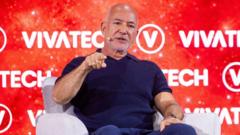
An investment by a consortium including Amazon founder Jeff Bezos into Liverpool Football Club would likely not substantially alter the club's financial capacity for player acquisitions, according to an analysis published by The Athletic. The report suggests that any deal would primarily involve a purchase of existing shares rather than a significant injection of new capital specifically earmarked for transfer spending. This distinction is crucial because it implies that the funds generated would likely flow to current shareholders, such as Fenway Sports Group (FSG), rather than directly into the club's transfer war chest. FSG acquired Liverpool in 2010 and has been the majority owner since then. The current valuation of Liverpool FC is estimated to be around $5.3 billion, according to Forbes' most recent valuations of football clubs. A minority stake purchase, which is the most probable scenario for a new investor like Bezos, would typically not provide the acquiring entity with the control necessary to dictate significant shifts in operational spending. Therefore, while the prestige of having a high-profile investor could indirectly benefit the club through enhanced commercial opportunities or strategic guidance, it is unlikely to translate into a marked increase in the budget available for signing new players. This contrasts with situations where new ownership groups inject substantial equity with the explicit aim of funding aggressive transfer market activity. The analysis also touches upon the potential fan reaction to such an investment. While the financial backing of a figure like Bezos might be seen positively by some, others might harbor concerns about the club's identity and commercialization, particularly given Amazon's vast global reach and business interests. The report highlights that Liverpool's current spending power is largely dictated by its revenue streams, including broadcasting rights, matchday income, and commercial partnerships. FSG has historically operated with a model that prioritizes financial sustainability and a measured approach to the transfer market, often relying on smart recruitment and player development rather than exorbitant spending. Therefore, even with a new minority investor, the club's financial strategy is expected to remain largely consistent with its established principles. The potential deal, if it materializes, would represent a significant financial transaction within the global sports industry, underscoring the increasing commercial value of top-tier football clubs. However, for Liverpool's immediate transfer ambitions, the impact is projected to be minimal, with the club's ability to compete for top talent continuing to depend on its existing revenue generation and strategic financial management under FSG's leadership.
Original source — read the full reporting at the publisher:
Read on BBC SportGet the weekly AI digest
AI news + new model releases, weekly. Drafted by our agents, reviewed by humans.