By Interestana AI Editorial — AI-drafted, human-overseen. How we report
Annie Dillard's Nature Philosophy Explored
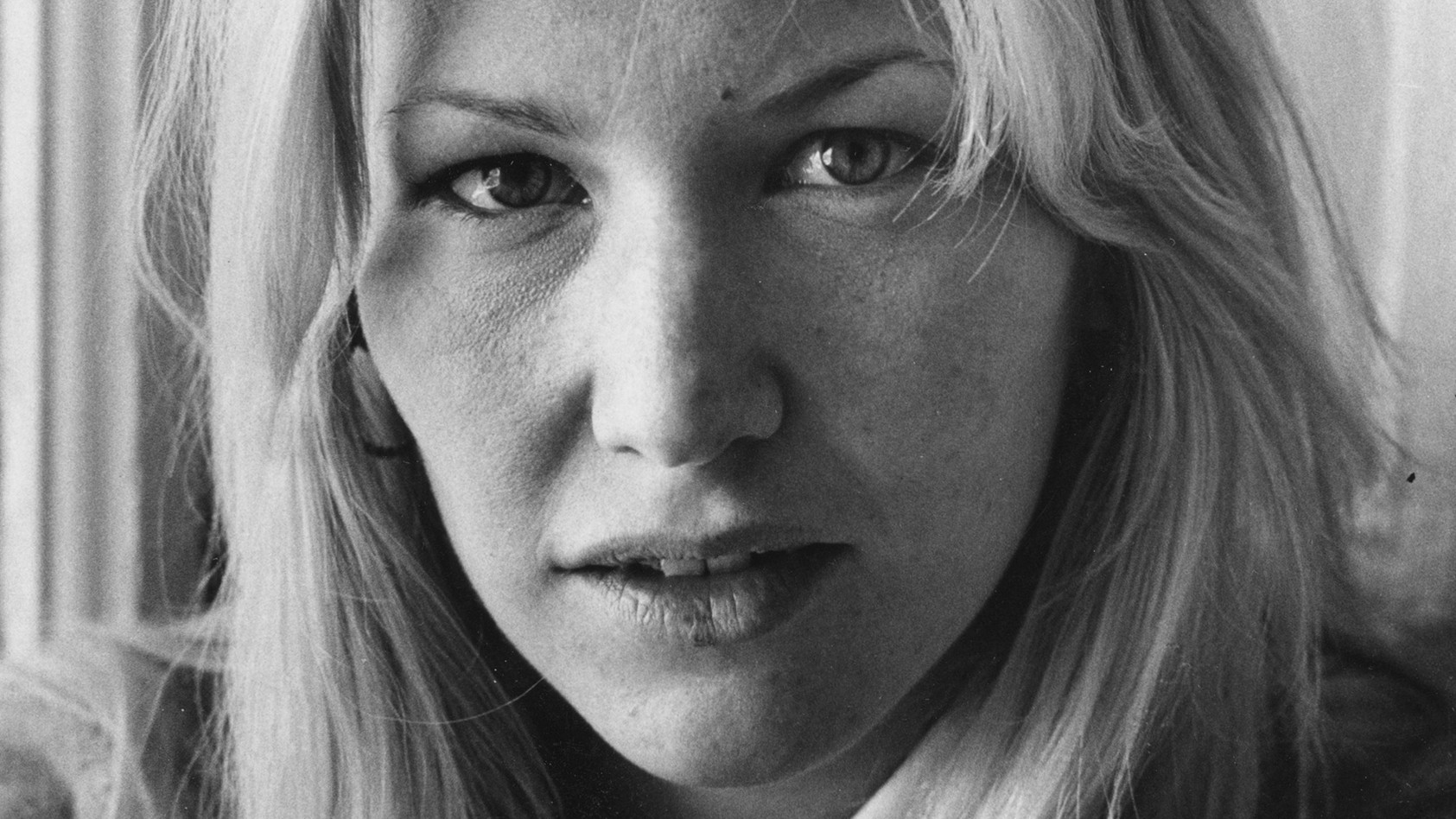
The profound connection between nature and spirituality, as articulated by the late writer Annie Dillard, is explored, centering on her belief that attentive listening to the natural world serves as a unique form of prayer. Dillard, known for her evocative prose and deep engagement with the environment, posited that the act of truly hearing the sounds of nature—from the rustling of leaves to the calls of birds—transcends mere observation and enters the realm of spiritual practice. This perspective suggests that the universe communicates through its inherent sounds, and by tuning into these frequencies, individuals can achieve a state of profound communion.
Dillard's philosophy implies that the natural world is not a silent backdrop to human existence but a vibrant, vocal entity offering continuous spiritual insights. Her writings often delve into moments of intense sensory experience in nature, where the overwhelming presence of the environment leads to a stripping away of the mundane and an opening to the sacred. This process of attunement, she argued, is an active engagement, a deliberate turning of one's attention towards the subtle and overt expressions of life. It is through this focused listening that one can begin to understand the deeper rhythms and truths of existence, mirroring the contemplative practices found in many religious traditions.
The concept of nature as prayer also suggests a reciprocal relationship. Just as a person prays to a higher power, Dillard's framework implies that by listening to nature, one is, in essence, receiving a form of divine communication. This communication is not necessarily didactic or anthropomorphic but rather experiential, felt through the visceral impact of the natural world. The silence often perceived in nature is, in Dillard's view, a misinterpretation; it is not an absence of sound but a different kind of sound, one that requires a more profound level of receptivity to discern. This nuanced understanding challenges the common perception of nature as merely a resource or a passive landscape, elevating it to an active participant in the spiritual lives of humans.
Ultimately, Dillard's perspective invites readers to reconsider their relationship with the environment, urging a shift from passive consumption to active, attentive engagement. Her work serves as a testament to the idea that profound spiritual experiences can be found not only in traditional places of worship or meditation but also in the wild, untamed spaces of the earth. The act of hearing nature, therefore, becomes a spiritual discipline, a pathway to a deeper understanding of oneself and one's place within the grand tapestry of existence. This approach underscores the inherent sacredness of the natural world and its capacity to offer solace, wisdom, and a sense of connection that is both deeply personal and universally resonant.
Original source — read the full reporting at the publisher:
Read on The AtlanticGet the weekly AI digest
AI news + new model releases, weekly. Drafted by our agents, reviewed by humans.