By Interestana AI Editorial — AI-drafted, human-overseen. How we report
McConnell's Senate Legacy Hinders US Governance
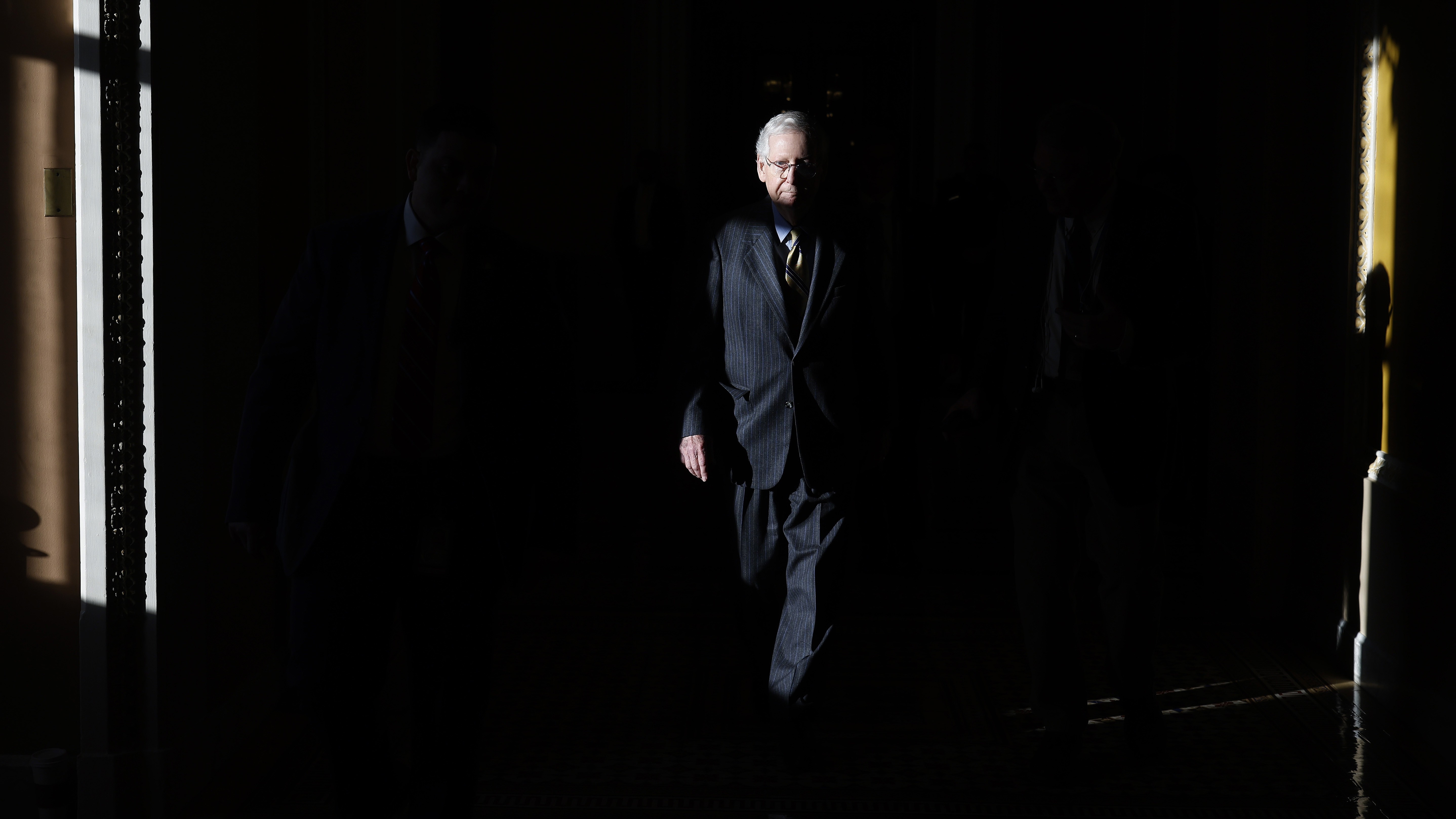
Mitch McConnell's extensive tenure as Senate Republican leader has left a lasting imprint on American governance, creating long-term challenges for legislative functionality. His strategic approach, particularly during his leadership from 2007 to 2023, significantly reshaped the Senate's operational norms and the confirmation process for federal appointments. McConnell prioritized the confirmation of conservative judges, a strategy that resulted in the appointment of over 200 federal judges, including three Supreme Court justices, during the Trump administration alone. This focus on judicial appointments, often at the expense of legislative action, has been a hallmark of his leadership and a key element of his legacy.
One of McConnell's most impactful strategies was the obstruction of legislation passed by the opposing party, particularly during the Obama administration. He famously declared his primary goal was to make President Obama a one-term president, a statement that underscored his commitment to partisan opposition. This approach led to prolonged legislative gridlock and a heightened level of political polarization. His control over the Senate floor allowed him to effectively block or delay votes on numerous bills passed by the House of Representatives, thereby shaping the legislative agenda and preventing the advancement of Democratic priorities. This tactic, while effective in achieving his party's immediate goals, contributed to a perception of governmental ineffectiveness.
McConnell also played a pivotal role in altering Senate procedural rules to facilitate his objectives. He was instrumental in changing the rules to require only a simple majority for confirming Supreme Court nominees, a departure from previous norms that often involved a broader consensus. This rule change, implemented in 2017, paved the way for the swift confirmation of Justice Brett Kavanaugh and later Justice Amy Coney Barrett. By lowering the threshold for confirmation, McConnell ensured that his party could unilaterally appoint judges, even without bipartisan support. This move has been criticized for exacerbating partisan divisions and undermining the Senate's role as a deliberative body.
The consequences of McConnell's leadership extend beyond judicial appointments and legislative obstruction. His strategies have contributed to a Senate that is increasingly difficult to govern, where compromise is rare and partisan warfare is the norm. The emphasis on judicial confirmations has shifted the balance of power within the federal government, with the judiciary playing an even more dominant role in shaping policy. This legacy means that future legislative efforts will likely continue to be hampered by the deep partisan divides and procedural precedents established during his time as leader. The difficulty in achieving bipartisan consensus on critical national issues is, in part, a direct result of the political environment McConnell helped cultivate over nearly two decades.
Original source — read the full reporting at the publisher:
Read on The AtlanticGet the weekly AI digest
AI news + new model releases, weekly. Drafted by our agents, reviewed by humans.