By Interestana AI Editorial — AI-drafted, human-overseen. How we report
Public Interest Technology Bridges Gaps in Social Services
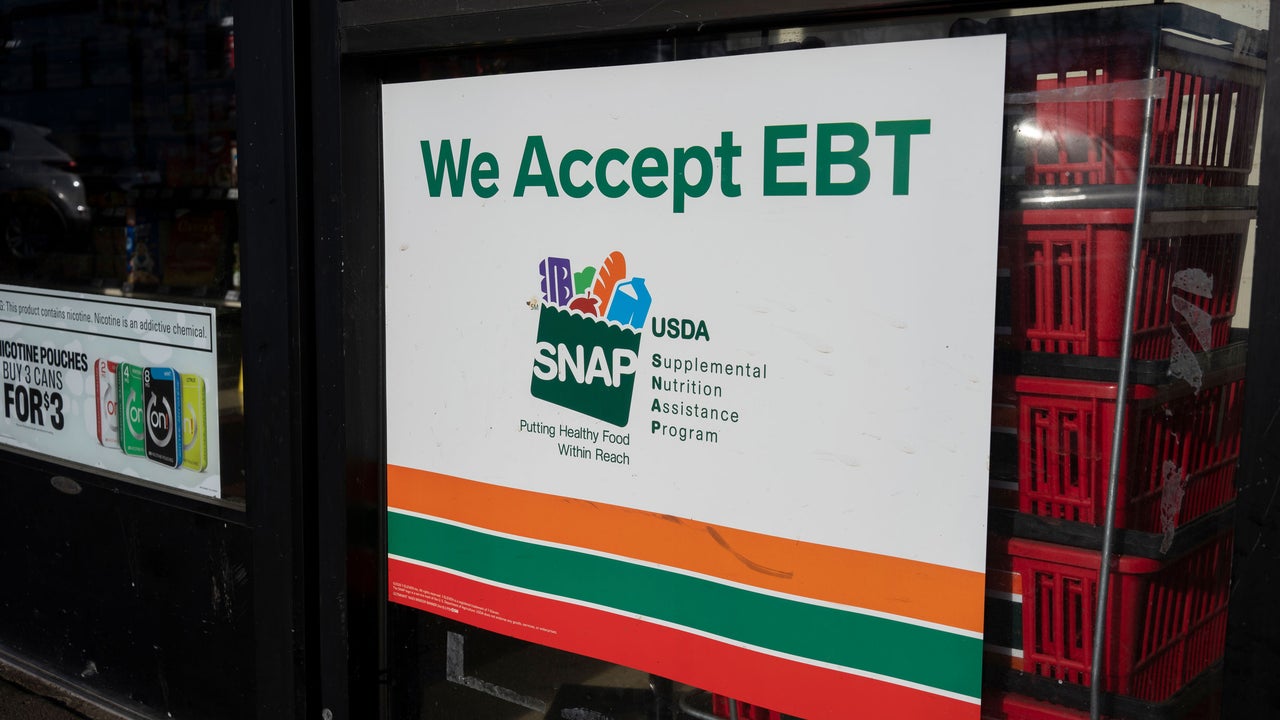
Public interest technology aims to bridge the gap between the intended benefits of social policies and the actual experiences of individuals seeking assistance. Millions of eligible people annually fail to receive crucial aid, such as food assistance, due to a lack of awareness about available programs or overly complex application processes. Public interest technology addresses these shortcomings by integrating technology, data, design, policy, social science, ethics, and law to enhance people's lives and promote the common good. This interdisciplinary approach has yielded tangible results, including preventing childhood lead paint poisoning, assisting families in avoiding eviction, and supporting disaster recovery efforts following events like the Los Angeles fires.
The development of public interest technology solutions begins with a thorough identification of systemic problems. This involves asking critical questions: Which systems are failing the populations they are intended to serve, and how can these systems be improved? The subsequent phase focuses on assembling a cross-disciplinary team to tackle the identified issues and define the scope of the problem. This team's composition is crucial, drawing expertise from various fields. For instance, a caseworker's on-the-ground knowledge is invaluable and cannot be replicated solely through data analysis. Similarly, community members offer essential insights into real-world conditions. Data scientists, designers, engineers, policy experts, and, importantly, the individuals directly affected by the issues collaborate to co-create technological solutions.
Once an initial design for a solution is conceptualized, the team engages in an iterative development process. This involves rigorously validating that the system functions as intended, evaluating its impact for equity, and conducting field tests to uncover errors and measure its effectiveness. The ultimate measure of success for public interest technology is demonstrable impact. A pilot program that concludes with an academic publication or a press release, without leading to widespread adoption and tangible improvements, is considered insufficient. True impact is achieved when a system is functional, trusted and utilized by the community, and demonstrably improves people's lives. An example of this approach is a program implemented in Johnson County, Kansas, which exemplifies how public interest technology can be applied to address specific societal needs and improve service delivery. The field is supported by government agencies, nonprofit organizations, universities, and community groups, all working towards leveraging technology for societal benefit.
Original source — read the full reporting at the publisher:
Read on Fast CompanyGet the weekly AI digest
AI news + new model releases, weekly. Drafted by our agents, reviewed by humans.