By Interestana AI Editorial — AI-drafted, human-overseen. How we report
Neuroscientist Challenges Pharma's Mental Health Approach
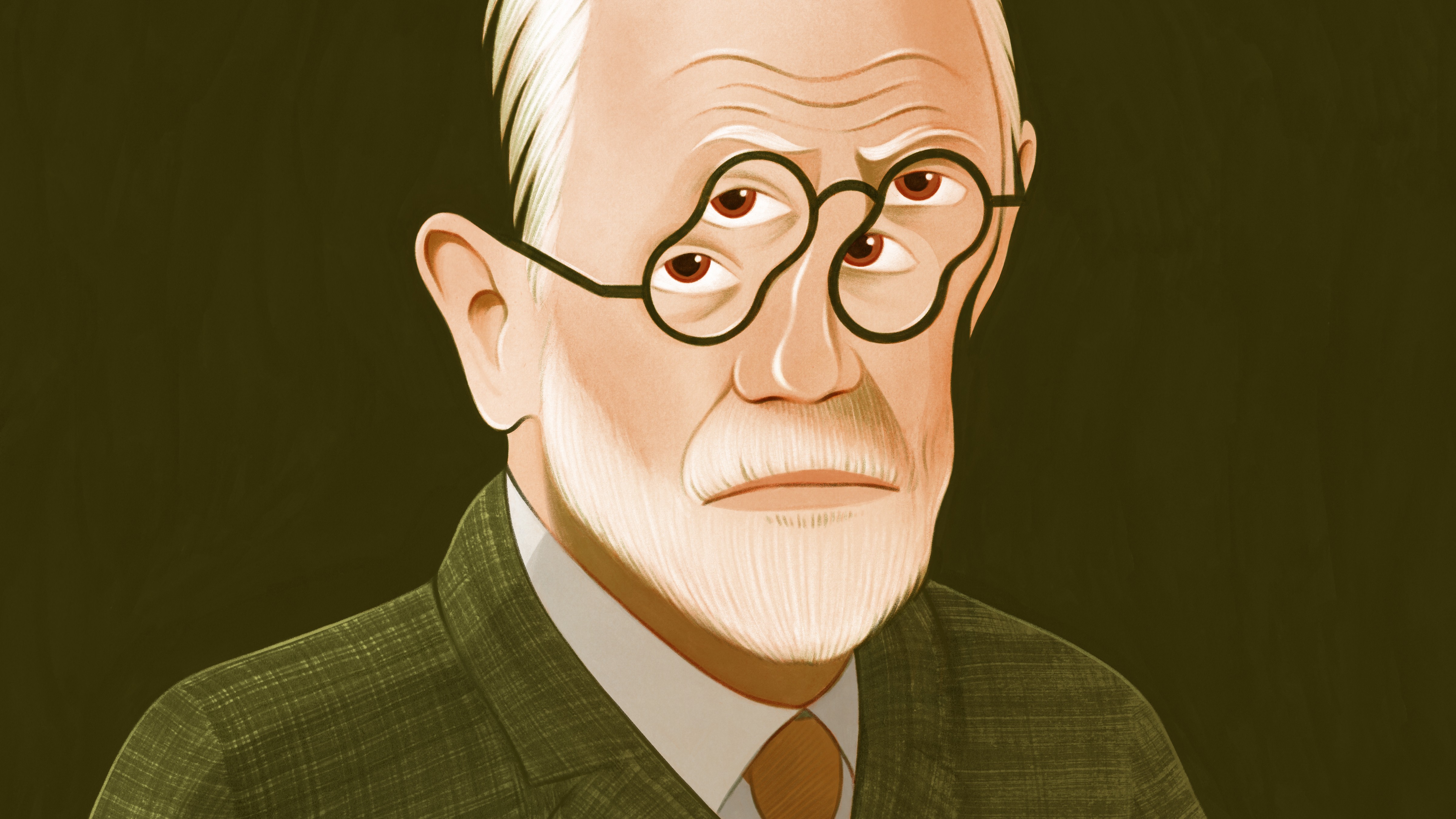
Neuroscientist Dr. Lisa Miller is challenging the dominant pharmaceutical approach to mental health treatment, arguing that traditional psychoanalysis offers a more effective and fundamental path to recovery. In her work, Dr. Miller posits that the current reliance on psychotropic medications, while offering symptomatic relief, often fails to address the root causes of mental distress, leading to long-term dependency and incomplete healing. She draws a parallel to historical perspectives, suggesting that the insights of figures like Sigmund Freud, though often dismissed or oversimplified, contain profound truths about the human psyche that modern medicine has overlooked.
Dr. Miller's perspective is rooted in her research into the brain's plasticity and its capacity for self-healing, which she believes is more profoundly engaged through psychotherapeutic interventions than through pharmacological means. She contends that psychoanalysis, by exploring unconscious conflicts, past traumas, and relational patterns, facilitates a deeper integration and resolution of psychological issues. This process, she argues, leads to lasting change and a more robust sense of well-being, rather than the temporary management of symptoms that she associates with many psychiatric drugs. Her critique extends to the pharmaceutical industry's influence on mental health discourse and treatment guidelines, suggesting that economic incentives may prioritize drug-based solutions over evidence-based psychotherapeutic modalities.
The neuroscientist's argument is not a dismissal of all medication but a call for a re-evaluation of the treatment hierarchy. She advocates for a more integrated model where psychotherapy, particularly depth-oriented approaches like psychoanalysis, is considered the primary intervention for a wide range of mental health conditions. This approach, she believes, respects the complexity of the human mind and its inherent capacity for growth and transformation. Dr. Miller's stance represents a significant departure from mainstream psychiatric practice, which has increasingly leaned towards biological explanations and pharmacological interventions for mental illness over the past several decades. Her work aims to reignite a conversation about the fundamental nature of mental suffering and the most effective pathways to genuine, lasting recovery, emphasizing the mind's active role in its own healing.
Original source — read the full reporting at the publisher:
Read on The AtlanticGet the weekly AI digest
AI news + new model releases, weekly. Drafted by our agents, reviewed by humans.