By Interestana AI Editorial — AI-drafted, human-overseen. How we report
Sinaloa Turf War Intensifies Amid US Cartel Crackdown
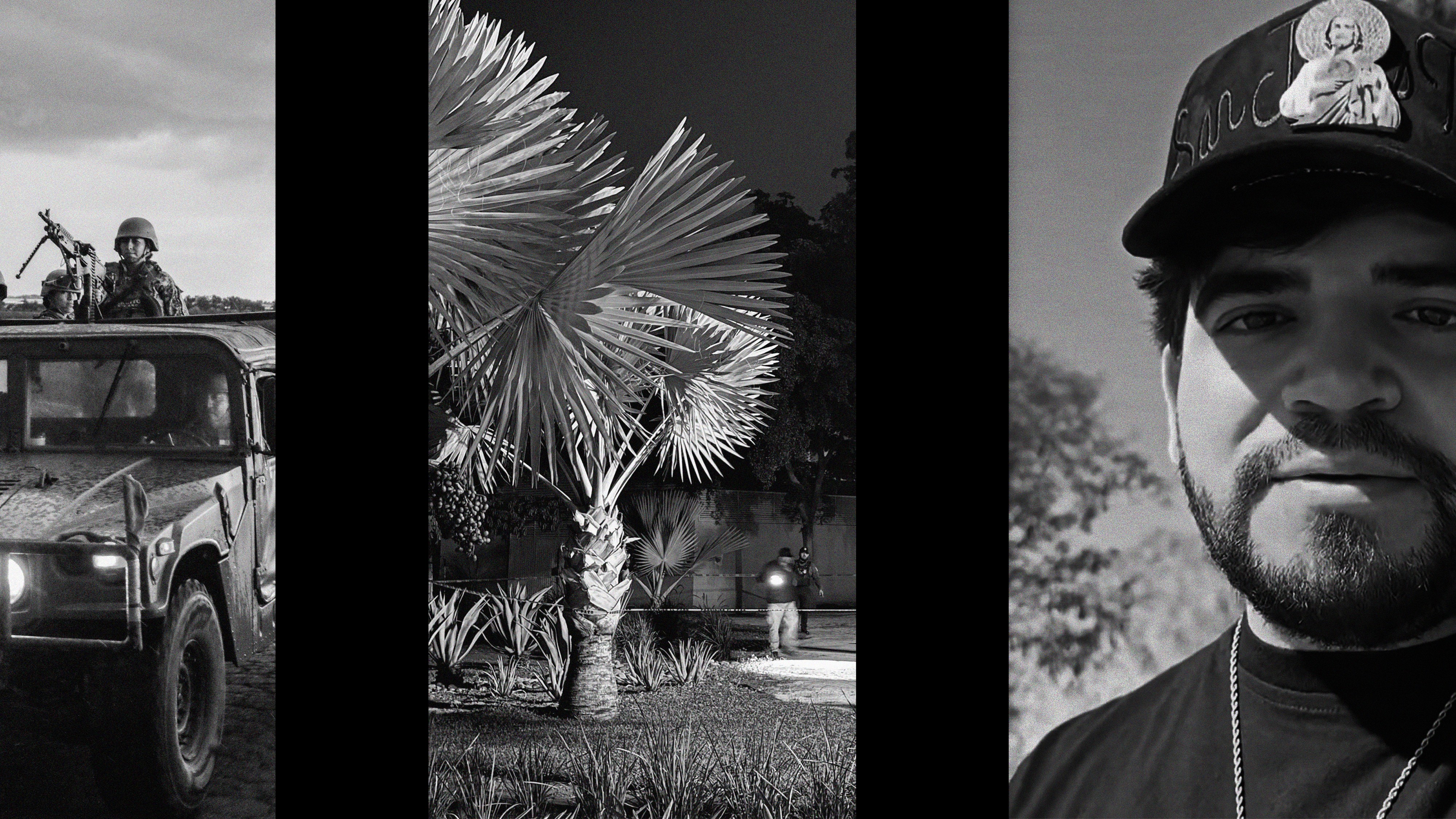
Despite concerted efforts by the United States to dismantle Mexican cartels, a brutal turf war has escalated, leading to increased violence and displacement within the Sinaloa region. The conflict is not solely between cartels and law enforcement, but also among various factions vying for control of lucrative drug trafficking routes and territories. This internal struggle has resulted in a complex and dangerous environment for civilians, with reports of heightened insecurity and a growing humanitarian crisis.
The U.S. strategy, which has historically focused on targeting cartel leadership and disrupting financial networks, appears to be inadvertently fueling internal conflicts. As power vacuums emerge following the apprehension or elimination of key figures, subordinate groups and rival organizations move to seize control. This dynamic has created a cycle of violence where the fragmentation of larger cartels leads to the proliferation of smaller, more volatile factions, each seeking to establish dominance. The Sinaloa Cartel, once a monolithic entity, has seen its influence contested by various splinter groups and emerging cartels, exacerbating the instability.
Local communities are bearing the brunt of this intensified conflict. Reports from the ground indicate a significant increase in forced disappearances, extortion, and violent confrontations. Civilians caught in the crossfire are often displaced from their homes, seeking refuge in safer areas, which further strains resources and exacerbates social challenges. The economic impact is also substantial, with legitimate businesses struggling to operate under the shadow of cartel control and the pervasive climate of fear. The ongoing violence disrupts supply chains, discourages investment, and hinders economic development in the affected regions.
International cooperation remains a critical component of the U.S. approach, involving intelligence sharing and joint operations with Mexican authorities. However, the deep-rooted nature of organized crime, coupled with socio-economic factors that contribute to recruitment and resilience, presents a formidable challenge. The current situation in Sinaloa underscores the complexities of combating transnational criminal organizations, highlighting the need for strategies that address not only the operational aspects of cartels but also the underlying conditions that allow them to thrive. The ongoing turf war suggests that a purely enforcement-driven approach may be insufficient and could even contribute to unintended consequences, such as increased internal cartel violence.
Original source — read the full reporting at the publisher:
Read on The AtlanticGet the weekly AI digest
AI news + new model releases, weekly. Drafted by our agents, reviewed by humans.