By Interestana AI Editorial — AI-drafted, human-overseen. How we report
Howard Zinn's People Power Theory Questioned
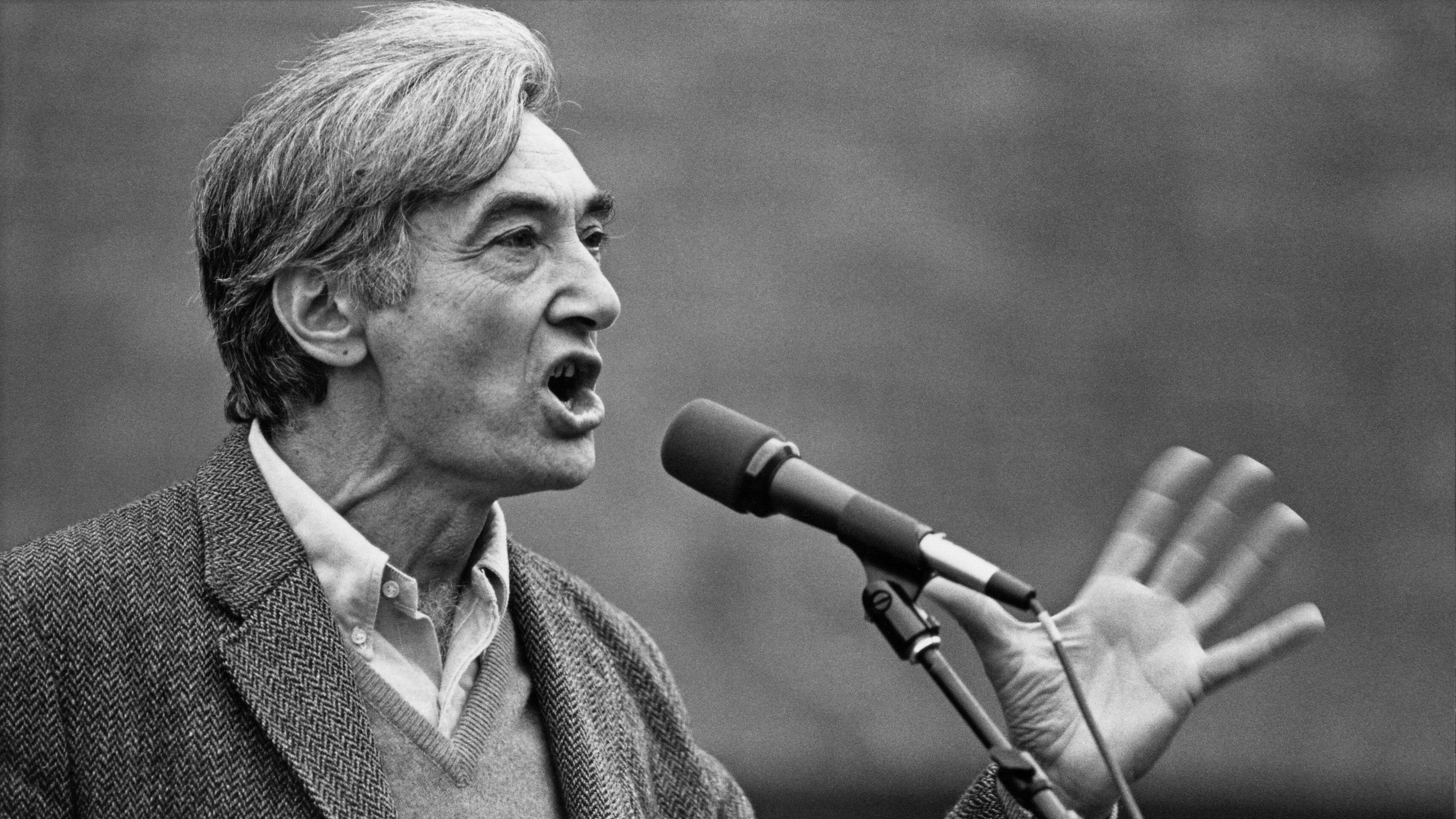
The core tenet of historian Howard Zinn's influential work, particularly his "A People's History of the United States," posited that empowering marginalized and oppressed groups would lead to societal improvement. Zinn, a prominent figure in the New Left movement, advocated for a bottom-up approach to understanding history, focusing on the experiences of workers, women, people of color, and other groups often overlooked in traditional historical narratives. His thesis suggested that by giving voice and agency to these populations, a more just and equitable society would naturally emerge from their collective action and demands for change. This perspective challenged established historical interpretations that centered on political leaders, military victories, and economic elites.
However, historical analysis and subsequent events have presented a more complex and often contradictory picture regarding the direct correlation between empowering specific groups and achieving universally positive societal outcomes. While Zinn's work undeniably brought crucial attention to overlooked histories and inspired activism, the practical application of his theory has yielded mixed results. For instance, the rise of certain populist movements, which ostensibly empowered previously marginalized segments of the population, has in some cases led to outcomes that are divisive, nationalistic, or even detrimental to democratic norms and minority rights. The empowerment of one group has not always translated into a more inclusive or just society for all, and at times has exacerbated existing social tensions or created new ones.
Furthermore, the nature of "empowerment" itself is multifaceted and can be interpreted in various ways. Zinn's focus was largely on empowering people through collective action, consciousness-raising, and challenging dominant power structures. Yet, historical examples demonstrate that empowerment can also be co-opted or manipulated. Political actors may selectively champion the cause of certain groups to gain power, without necessarily enacting policies that lead to lasting societal improvement or equitable distribution of resources. The history of revolutions and social movements, while often initiated with the goal of empowering the masses, has frequently resulted in new forms of authoritarianism or entrenched inequalities, suggesting that the mere act of empowerment does not automatically guarantee a better society. The legacy of Zinn's ideas continues to be debated, with scholars and commentators weighing the profound impact of his historical revisionism against the complex realities of power dynamics and societal change.
Original source — read the full reporting at the publisher:
Read on The AtlanticGet the weekly AI digest
AI news + new model releases, weekly. Drafted by our agents, reviewed by humans.