By Interestana AI Editorial — AI-drafted, human-overseen. How we report
Fauci Diary Leak Highlights Workplace Privacy Risks
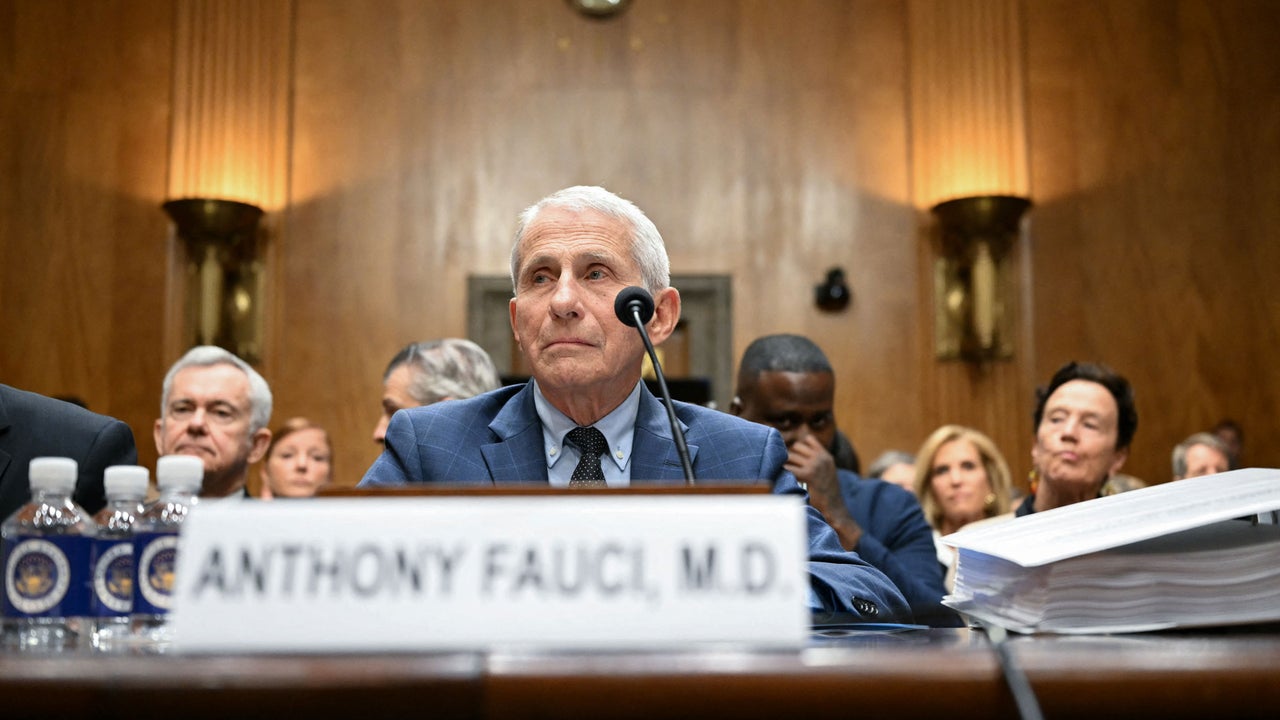
Dr. Anthony Fauci's pandemic-era diary, comprising over 1,000 pages, was recently released by Republican Senator Rand Paul as part of an ongoing investigation into the origins of COVID-19 and broader pandemic policy oversight. Senator Paul has publicly expressed disagreement regarding the virus's origins and accused Fauci of a cover-up during the pandemic. Following Fauci's departure from his role as director of the National Institute of Allergy and Infectious Diseases (NIAID) in 2022, Paul has continued his commitment to investigating the origins of COVID-19 and taxpayer-funded life sciences research. The leaked diary entries reportedly include personal reflections on Fauci's newfound fame, an accidental butt-dial to Barbra Streisand, alongside detailed tallies of COVID-19 cases and deaths and his contemplations on the pandemic's origins. This incident serves as a significant reminder to employees across all sectors about the importance of maintaining a clear distinction between personal and professional digital activities. Bryan Sullivan, a partner at Early Sullivan Wright Gizer & McRae LLP, emphasized that employees should never treat work accounts or devices as personal. He stated, "If you’re going to keep anything personal, you don’t keep it on a work computer, a work system, or a work device in any way." Sullivan further clarified that employers, including government entities like the U.S. government, own the technology provided, and users have no expectation of privacy when using work-related technology. Dr. Fauci reportedly saved his personal entries on government servers. Health and Human Services Secretary Robert F. Kennedy Jr. confirmed on Fox News that the records were provided to the committee after being parsed from various servers. Matthew Tokson, a professor at the University of Utah’s S.J. Quinney College of Law, highlighted the broader lesson from this "diary debacle." He advised individuals to "Don’t write anything there that if it would become public, would embarrass you." Tokson also noted that any personal information shared via work email, for instance, can be subject to discovery during litigation processes if an employer is involved. The implications of this leak extend to all employees, underscoring the potential for personal information stored on work systems to become public record, especially in legal or investigative contexts. The U.S. government, as an employer, operates under specific regulations regarding data retention and access, which were applicable in Fauci's case. The National Institute of Allergy and Infectious Diseases (NIAID) is a component of the National Institutes of Health (NIH), which itself is part of the U.S. Department of Health and Human Services (HHS). The investigation by Senator Rand Paul, a prominent figure in the U.S. Senate, aims to scrutinize the scientific and governmental responses to the COVID-19 pandemic, with the diary entries offering a unique, albeit personal, perspective on the events and decisions made during that critical period. The legal precedent and employee guidelines surrounding the use of government-issued equipment and communication channels are crucial for understanding the ramifications of such disclosures.
Original source — read the full reporting at the publisher:
Read on Fast CompanyGet the weekly AI digest
AI news + new model releases, weekly. Drafted by our agents, reviewed by humans.