By Interestana AI Editorial — AI-drafted, human-overseen. How we report
Abdul El-Sayed Seeks to Unite Democrats
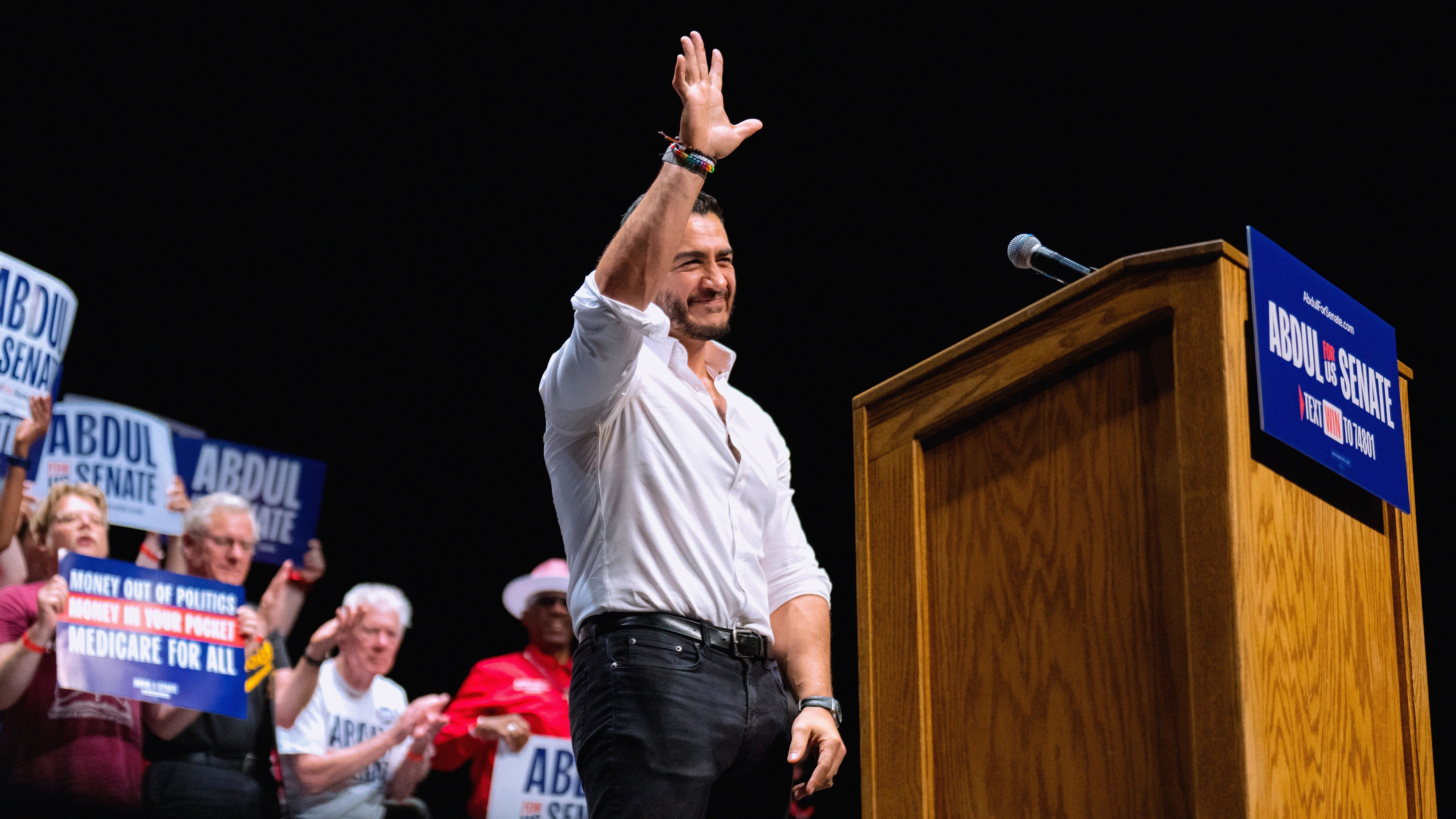
Abdul El-Sayed, a prominent figure in progressive politics and former candidate for Michigan Governor, is now directing his efforts towards unifying the Democratic party. Following a period of vocal critique regarding the party's strategic direction and messaging, El-Sayed aims to bridge ideological divides and foster a more cohesive political front. His recent public statements and engagements suggest a strategic pivot from direct criticism to active coalition-building within the Democratic ecosystem.
El-Sayed's approach involves engaging with various factions of the party, from its more progressive wings to its centrist elements. The objective is to identify common ground and develop shared strategies that can effectively address contemporary political challenges. This initiative comes at a critical juncture for the Democratic party, which faces ongoing debates about its core principles, electoral strategies, and its ability to connect with a diverse electorate. El-Sayed's past experiences, including his 2018 gubernatorial campaign where he garnered significant support as a progressive candidate, provide a unique perspective on the party's potential and its challenges.
The former health official and physician has been a vocal advocate for policies addressing healthcare access, economic inequality, and climate change. His critiques have often centered on what he perceives as the Democratic party's insufficient urgency in tackling these issues and its tendency to adopt overly cautious messaging. Now, his focus appears to be on translating these critiques into constructive proposals for party reform and unity. This involves not only articulating policy goals but also fostering the internal dialogue necessary for the party to move forward cohesively.
El-Sayed's current work is seen by some as an attempt to fill a perceived leadership vacuum within the party, offering a vision that can resonate across different demographic and ideological groups. The success of his unification efforts will likely depend on his ability to garner trust and cooperation from a wide range of Democratic stakeholders, including elected officials, party operatives, and grassroots activists. His past public service and his continued engagement in political discourse position him as a potentially influential voice in shaping the future direction of the Democratic party.
Original source — read the full reporting at the publisher:
Read on The AtlanticGet the weekly AI digest
AI news + new model releases, weekly. Drafted by our agents, reviewed by humans.