By Interestana AI Editorial — AI-drafted, human-overseen. How we report
Googlebook Laptops Launch Amid Skepticism: Redefining the Chromebook or Repeating Past Mistakes?
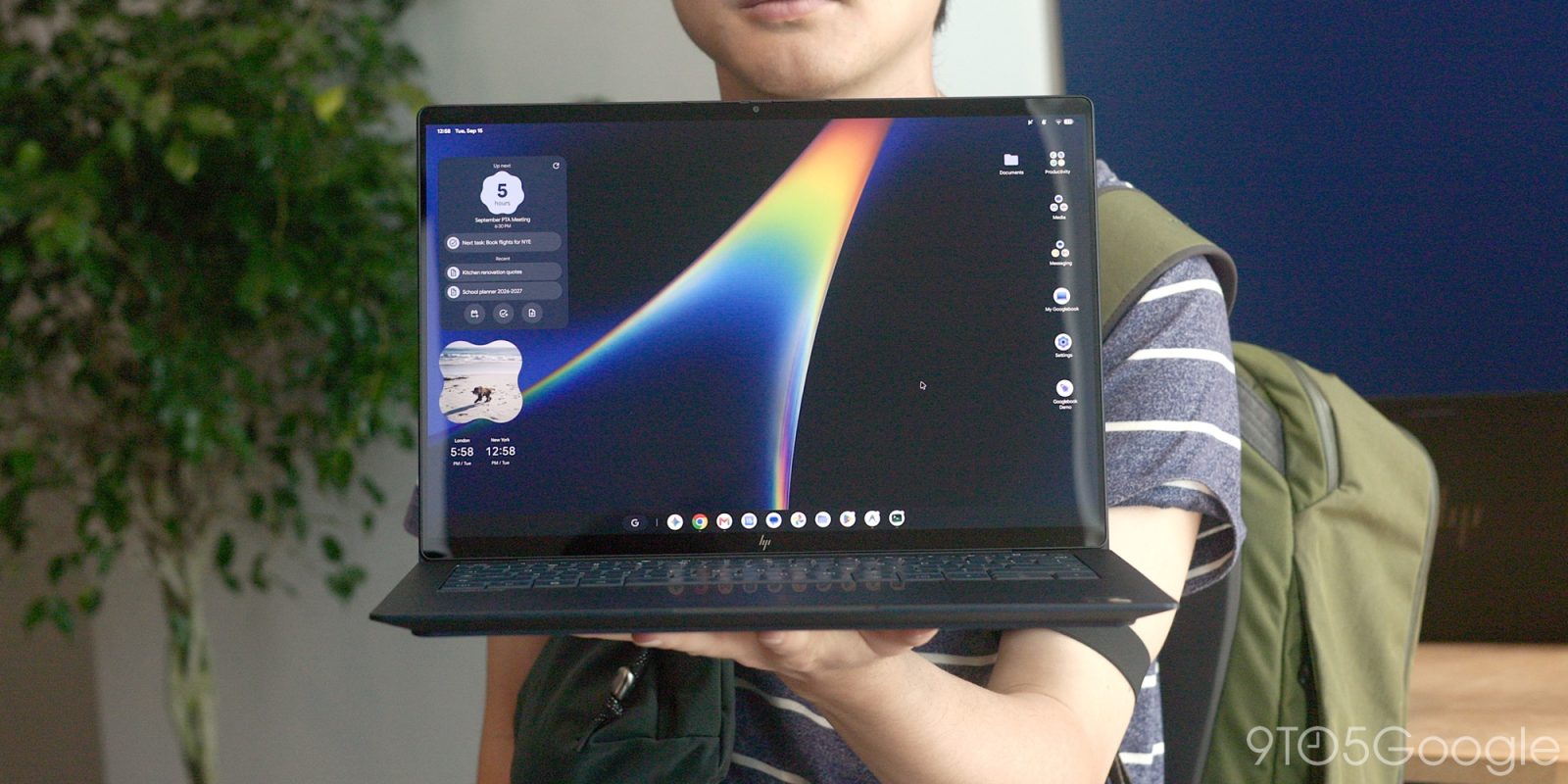
Googlebook laptops have officially arrived, following a preliminary announcement in May. However, the launch has been met with considerable skepticism, particularly regarding the perceived purpose and differentiation of these new devices from Google's existing Chromebook lineup. The author expresses a fundamental uncertainty about Google's strategic vision for this new category of laptops, suggesting that they do not appear to resolve the inherent limitations and challenges that have historically characterized Chromebooks.
Chromebooks, powered by Google's Chrome OS, have traditionally been marketed as lightweight, cloud-centric computing solutions. Their primary strengths lie in web-based applications, document creation and editing through Google Workspace, and general media consumption. This positioning has led to significant success in educational sectors and among users with straightforward computing requirements. Nevertheless, Chromebooks have often struggled to accommodate more resource-intensive tasks. These typically include professional software development, advanced video and photo editing suites, and demanding PC gaming, applications that are more commonly the domain of traditional laptops running Microsoft Windows or Apple's macOS.
The introduction of Googlebook suggests an ambition by Google to broaden the appeal and capabilities of its laptop portfolio, potentially targeting a more diverse user base or addressing the shortcomings of current Chromebooks. Yet, the absence of a clear articulation of what makes Googlebook distinct from its predecessors is a significant hurdle. Potential consumers are left questioning the unique selling propositions (USPs) and the overall value proposition of these new devices. Without a compelling narrative that explains how Googlebook offers an advantage over existing Chromebooks, or how it effectively competes within the broader, highly competitive laptop market dominated by established players like Dell, HP, Lenovo, Apple, and Microsoft, consumer adoption could be significantly hampered.
The author's skepticism is emblematic of a broader concern within the tech industry: the introduction of new product lines without a clearly defined and demonstrable benefit that justifies their existence and captures consumer imagination. The ultimate success of Googlebook will hinge on Google's ability to effectively communicate its intended use cases, showcase tangible advantages that resonate with users seeking more than what current Chromebooks provide, and establish a clear identity that differentiates it from the deeply entrenched Windows and macOS ecosystems. This includes demonstrating how Googlebook can bridge the gap for users who have outgrown the limitations of traditional Chromebooks but are not yet ready to commit to the more expensive and complex ecosystems of Windows or macOS.
Original source — read the full reporting at the publisher:
Read on 9to5GoogleGet the weekly AI digest
AI news + new model releases, weekly. Drafted by our agents, reviewed by humans.