By Interestana AI Editorial — AI-drafted, human-overseen. How we report
USMCA Trade Agreement Faces Scheduled Review
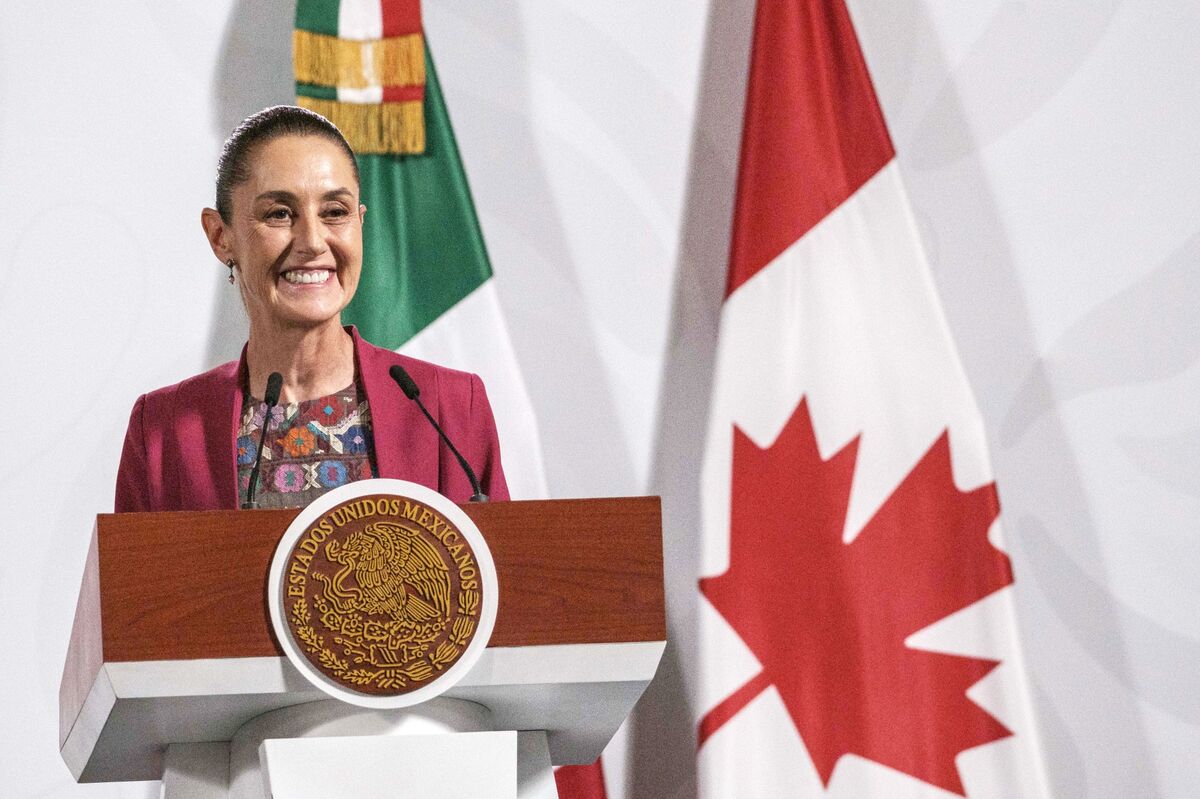
The United States-Mexico-Canada Agreement (USMCA), which replaced the North American Free Trade Agreement (NAFTA), is now subject to its mandatory review process. This review, stipulated in the agreement itself, is scheduled to commence within six years of its entry into force, which was July 1, 2020. The process involves a joint committee of government representatives from the three signatory nations: the United States, Mexico, and Canada. Their task is to assess the agreement's implementation and effectiveness, and to consider potential amendments or adjustments.
This review period presents an opportunity for each country to propose changes to the existing trade framework. Issues that could be brought to the table include updates to digital trade provisions, labor and environmental standards, rules of origin for key industries like automotive manufacturing, and dispute settlement mechanisms. The automotive sector, for instance, has specific rules requiring a certain percentage of North American content for vehicles to qualify for tariff-free trade, a provision that has been a point of discussion since the agreement's inception.
The USMCA's review mechanism is designed to ensure the agreement remains relevant in a rapidly evolving global economy. It allows for a structured dialogue to address emerging challenges and opportunities in North American trade. The outcomes of this review could range from minor technical adjustments to more substantial renegotiations, depending on the proposals put forth by the member countries and the subsequent negotiations. The process is expected to involve extensive consultations with stakeholders, including businesses, labor unions, and civil society organizations, from all three nations.
Historically, trade agreements have undergone periodic reviews to adapt to changing economic landscapes. The USMCA's review is a critical juncture that will shape the future of trade relations among the three North American partners. The success of this review will hinge on the ability of the United States, Mexico, and Canada to find common ground and reach consensus on any proposed modifications, ensuring continued economic integration and cooperation across the continent.
Original source — read the full reporting at the publisher:
Read on Bloomberg MarketsGet the weekly AI digest
AI news + new model releases, weekly. Drafted by our agents, reviewed by humans.