By Interestana AI Editorial — AI-drafted, human-overseen. How we report
Colin Powell's Actions on September 11, 2001
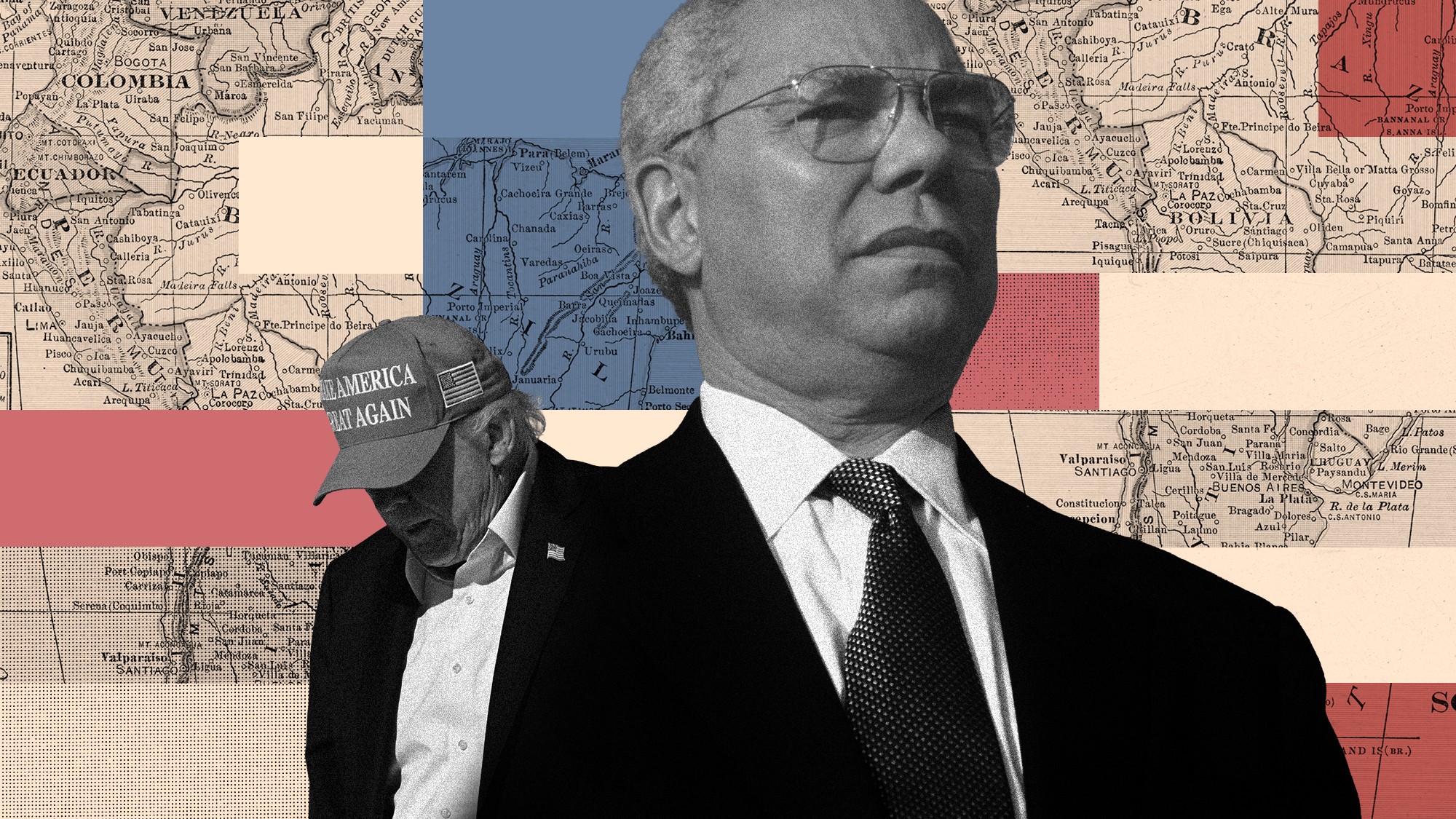
On September 11, 2001, then-U.S. Secretary of State Colin Powell was engaged in an overseas trip, specifically in Lima, Peru, where he was participating in the Organization of American States (OAS) General Assembly. His schedule that day was focused on advancing American foreign policy objectives, particularly the promotion of democracy in the Western Hemisphere. Powell's diplomatic efforts were aimed at strengthening inter-American relations and addressing regional challenges through dialogue and cooperation. The events of September 11th unfolded while he was immersed in these international discussions, significantly altering the global landscape and the priorities of U.S. foreign policy.
Powell's presence in Lima was part of a broader diplomatic agenda designed to foster democratic governance and economic stability throughout Latin America. He was scheduled to deliver remarks and engage in bilateral meetings with his counterparts from various OAS member states. The attacks on the World Trade Center and the Pentagon, which occurred while he was abroad, immediately shifted the focus of his responsibilities and the nation's foreign policy. The subsequent reorientation of U.S. foreign policy towards counter-terrorism and national security became a dominant theme for the remainder of his tenure as Secretary of State.
The immediate aftermath of the attacks saw Powell working to coordinate international responses and build coalitions to address the threat of terrorism. His role involved communicating the U.S. position to allies and adversaries alike, emphasizing the need for a unified global effort against terrorism. The diplomatic initiatives he had been pursuing in Lima were overshadowed by the urgent need to respond to the attacks on American soil. This marked a significant pivot in his diplomatic strategy and the broader foreign policy of the George W. Bush administration.
Powell's insistence on championing democracy in foreign policy, a core tenet of his diplomatic approach, continued to be a guiding principle, but it was now framed within the context of the global war on terror. The events of September 11th underscored the interconnectedness of global security and the importance of fostering stable, democratic societies as a bulwark against extremism. His actions and communications during this period were crucial in shaping the international understanding of the attacks and the subsequent U.S. response, demonstrating the complex interplay between diplomacy and national security in a rapidly changing world.
Original source — read the full reporting at the publisher:
Read on The AtlanticGet the weekly AI digest
AI news + new model releases, weekly. Drafted by our agents, reviewed by humans.