By Interestana AI Editorial — AI-drafted, human-overseen. How we report
US 'America First' Policy Hinders Global Health Efforts
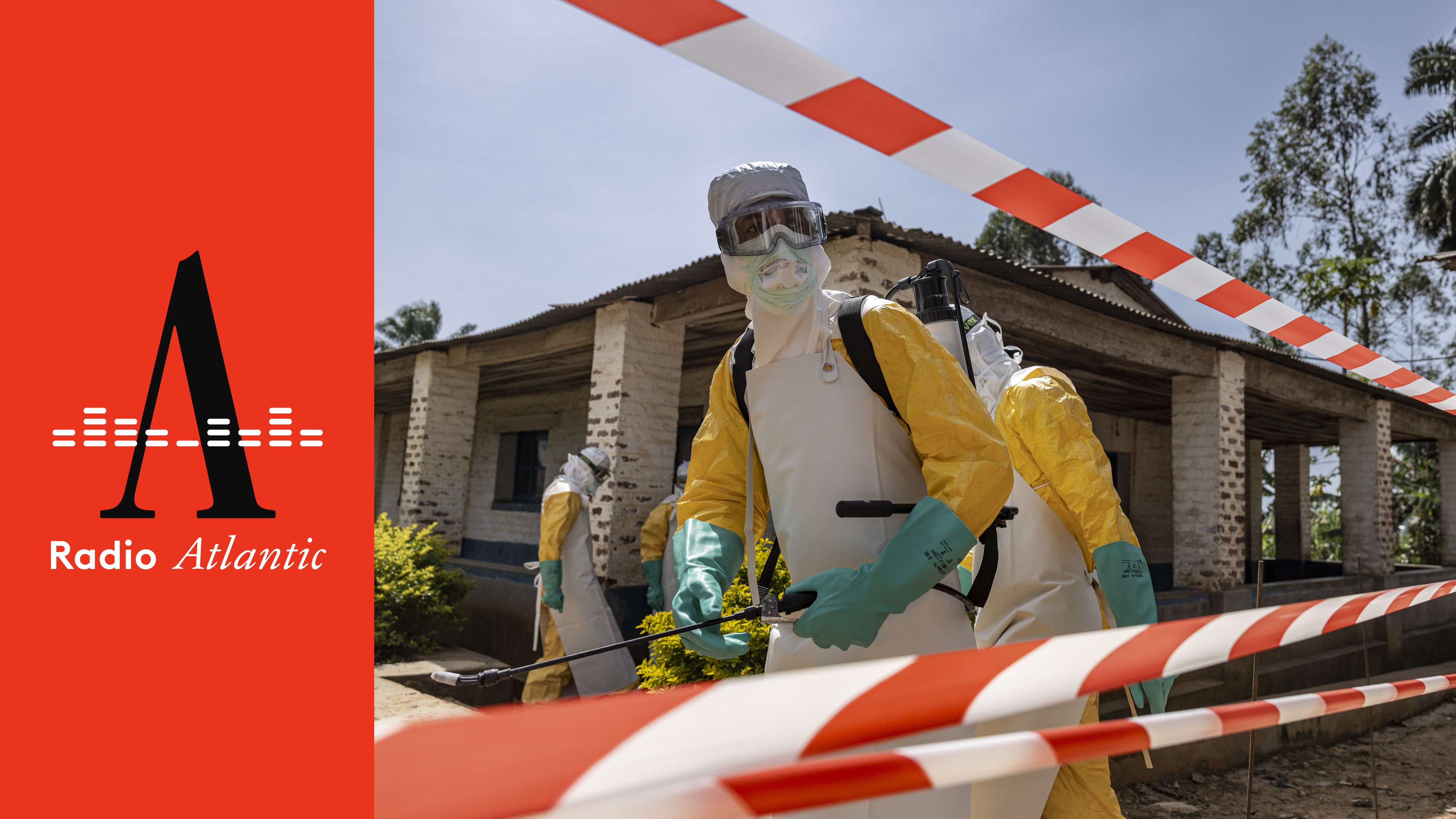
The United States' "America First" foreign policy has significantly undermined global health initiatives, impacting the ability to prevent and respond to health crises. This approach, characterized by a withdrawal from international agreements and a reduction in funding for global health organizations, has created substantial obstacles for countries facing severe health emergencies. A prime example is the Democratic Republic of the Congo's (DRC) struggle with the deadliest Ebola outbreak in its history, an outbreak that could potentially have been mitigated or prevented with more robust international cooperation and sustained funding.
The "America First" doctrine, championed by the Trump administration and continuing to influence policy, prioritizes national interests above multilateral engagement. This has led to the U.S. withdrawing from the World Health Organization (WHO) in July 2021, a move that severely hampered the organization's ability to coordinate global health responses. The U.S. was historically the largest financial contributor to the WHO, providing approximately $800 million annually. The withdrawal and subsequent reduction in contributions created a significant funding gap, impacting the WHO's capacity to support countries in need, conduct vital research, and implement disease surveillance programs. This reduction in support directly affects the preparedness and response capabilities of nations, particularly those with limited resources.
The consequences of this policy are far-reaching, extending beyond specific outbreaks to encompass broader public health infrastructure. For instance, the U.S. has also reduced its contributions to the Global Fund to Fight AIDS, Tuberculosis and Malaria, a critical organization that has saved millions of lives since its inception in 2002. These cuts not only affect current treatment and prevention programs but also jeopardize long-term efforts to control and eventually eradicate these devastating diseases. The "America First" agenda, by de-emphasizing international collaboration and multilateral institutions, inadvertently weakens the collective global capacity to address shared health threats, leaving vulnerable populations more exposed.
Furthermore, the policy has fostered an environment of distrust and disengagement among international partners. When a major global player like the United States steps back from its commitments, it can embolden other nations to do the same or create a vacuum that less stable actors might exploit. This erosion of trust makes it harder to forge the consensus and mobilize the resources necessary for effective global health security. The Ebola outbreak in the DRC, with its devastating human toll and potential for international spread, serves as a stark illustration of how a weakened global health architecture, partly a consequence of "America First" policies, can have catastrophic consequences. The ability to quickly deploy medical personnel, provide essential supplies, and implement containment strategies is directly tied to the strength and funding of international health bodies, which have been demonstrably weakened by this inward-looking approach.
Original source — read the full reporting at the publisher:
Read on The AtlanticGet the weekly AI digest
AI news + new model releases, weekly. Drafted by our agents, reviewed by humans.