By Interestana AI Editorial — AI-drafted, human-overseen. How we report
Whales Face Rising Boat Strike Risk on Australian Coast
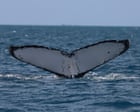
Humpback whales migrating along Australia's east coast are increasingly at risk of severe injury and death from collisions with boats and their propellers, according to exclusive images and expert warnings shared with The Guardian. These incidents, which leave deep cuts and damage to tails and fins, are becoming more prevalent as the whale population recovers following the 1960s ban on whaling. The images, collected by WWF Australia, depict graphic injuries including missing tail sections and deep lacerations on both adult and juvenile whales, with one particularly shocking injury shown on a whale calf's spine. Experts indicate that the sheer volume of marine traffic and the whales' inability to consistently avoid collisions contribute to this growing threat. The "humpback highway," a term used to describe the annual migration route along Australia's eastern seaboard, is experiencing a significant increase in whale numbers, with estimates suggesting a population recovery to pre-whaling levels. However, this population boom has coincided with a rise in human maritime activity, creating a dangerous intersection for the migrating cetaceans. The WWF Australia report highlights the urgent need for enhanced safety measures and increased awareness among boat operators navigating these waters. The organization is advocating for stricter regulations and better education to mitigate the risks posed to these magnificent marine mammals. The injuries observed are not merely superficial; they can lead to impaired mobility, infection, and ultimately, the death of the whale, impacting their ability to feed, breed, and migrate successfully. The long-term health of the humpback whale population in Australian waters is therefore under threat from these preventable human-induced incidents. Conservationists are calling for a multi-faceted approach involving government agencies, marine tourism operators, and the general public to ensure the continued recovery and protection of humpback whales. This includes promoting responsible boating practices, establishing clearer maritime traffic guidelines in critical whale migration zones, and investing in research to better understand whale behavior and movement patterns in relation to vessel traffic. The visual evidence of these injuries serves as a stark reminder of the ongoing challenges faced by marine wildlife in shared ocean spaces and underscores the responsibility humans have to coexist safely with these animals.
Original source — read the full reporting at the publisher:
Read on The Guardian EnvironmentGet the weekly AI digest
AI news + new model releases, weekly. Drafted by our agents, reviewed by humans.