By Interestana AI Editorial — AI-drafted, human-overseen. How we report
Hurricane Lowell Leaves Trail of Destruction Across Western Hawaii Islands
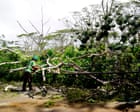
Hurricane Lowell has unleashed significant damage across Hawaii’s western islands, leaving a wake of destruction characterized by powerful winds and torrential rainfall. The storm's passage resulted in widespread power outages affecting thousands of residents and caused substantial damage to critical infrastructure, including roads. Numerous homes and businesses were inundated with mud, a direct consequence of the severe weather event. The impact on Kauai, an island with a population of approximately 73,000 individuals, has been particularly severe. Fierce winds, a hallmark of Hurricane Lowell's intensity, were responsible for felling numerous trees across the island. This widespread tree damage directly led to extensive power outages. The Kauai Island Utility Cooperative (KIUC), a vital energy provider serving the island, reported that as of Tuesday, nearly all of its roughly 35,000 members were experiencing a complete loss of electricity. The cooperative's infrastructure, designed to withstand typical tropical weather, was severely tested by the storm's unprecedented intensity. The heavy rains associated with Hurricane Lowell also contributed to the inundation of roads, rendering some impassable and effectively isolating communities. The sheer volume of water washed mud onto properties, impacting both residential and commercial structures, highlighting the pervasive nature of the storm's effects. The extent of the damage to the road network is still undergoing assessment, but initial reports indicate significant disruptions to transportation and access across the affected islands. Emergency services and utility crews are actively engaged in restoration efforts, working diligently to restore power and clear debris. However, the recovery process is anticipated to be lengthy, given the scale of the destruction. The meteorological conditions that fueled Hurricane Lowell, including elevated sea surface temperatures in the Pacific Ocean and specific atmospheric patterns, are consistent with the typical Pacific hurricane season. Nevertheless, the storm's intensity and its direct impact on the Hawaiian islands underscore the region's vulnerability to such extreme weather events. Further comprehensive assessments will be crucial in determining the long-term economic and social consequences for the affected communities, including the substantial costs associated with infrastructure repair and rebuilding efforts. The National Hurricane Center, which monitors tropical cyclones in the eastern North Pacific Ocean, would have been tracking Lowell's trajectory and intensity, issuing advisories to relevant authorities and the public.
Original source — read the full reporting at the publisher:
Read on The Guardian WorldGet the weekly AI digest
AI news + new model releases, weekly. Drafted by our agents, reviewed by humans.